Industries
→ Marine
→
Ships
We’re a ship design consultancy working across naval architecture, structural analysis, systems integration and classification approval. Our engineers have delivered surface vessel programmes for commercial, offshore and defence clients, and that range of experience shapes how we approach each new project. Hull design decisions taken at concept stage affect build cost, classification risk and operational performance for decades. We think about all of it from the start.
Speak to our ship design consultancy team
What sets us apart in ship design consultancy
Ship design isn’t one discipline. Hull geometry, structural loading, propulsion configuration and systems architecture are decisions that have to be made together, not handed off in sequence. We work with naval architects, structural engineers and marine systems specialists in the same room from the outset, so the design holds together as a whole rather than accumulating coordination problems as it develops.
Our naval architects have worked at Lloyd’s Register, Babcock, BAE Systems and Rolls-Royce. We’ve delivered surface ship programmes for defence clients and hold working relationships with the major classification societies. That combination, of practitioner experience on complex programmes with direct access to the approval bodies, is rarer in a ship design consultancy than most clients expect when they start looking.
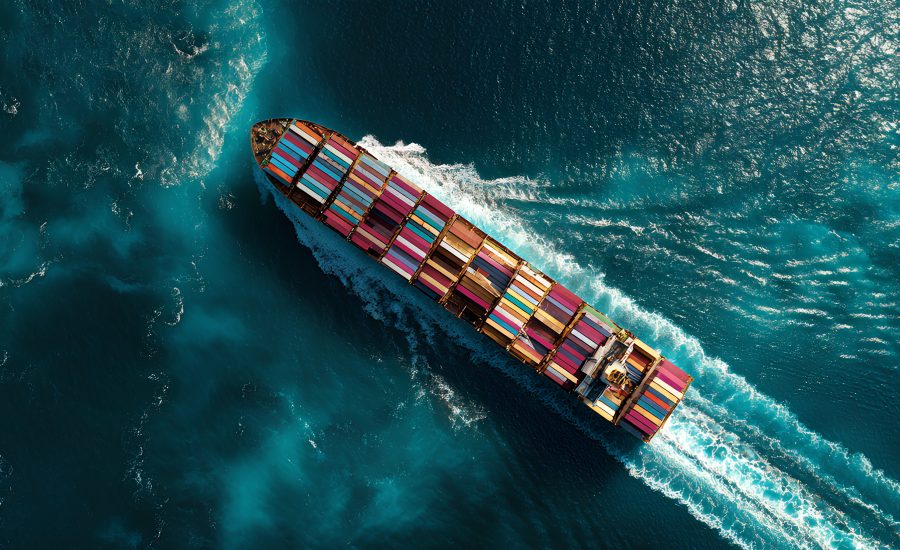
From concept to classification
Naval architecture and hull design
Hull form, displacement, powering estimates, seakeeping and stability are the decisions that shape what a vessel can do in service. We develop and validate hull forms using NAPA, Maxsurf and ShipFlow, and produce the lines plans, hydrostatic tables and loading manuals a vessel carries throughout its life. A well-founded hull is harder to get right than it looks, and revisiting it at detailed design is expensive.
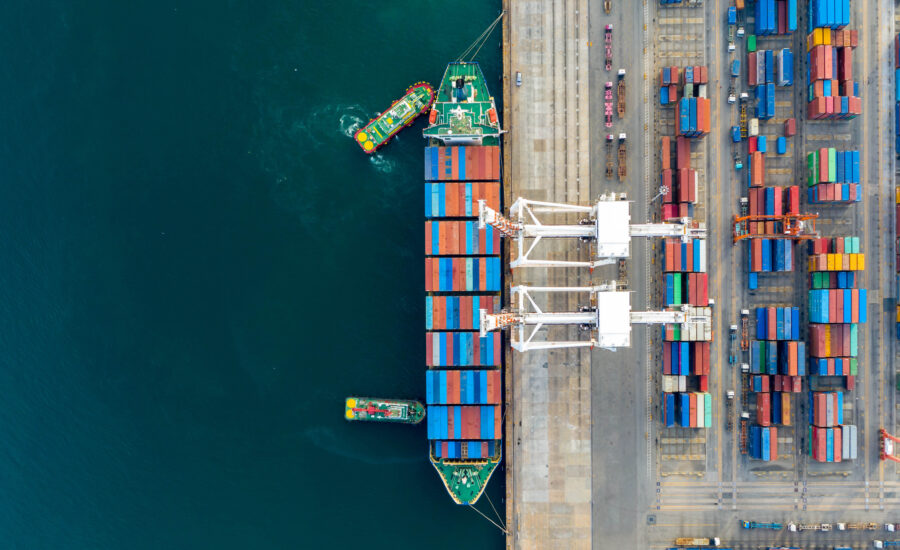
Structural integrity under load
Marine engineering for demanding sea states
Wave-induced fatigue, slamming loads and corrosion don’t announce themselves at launch; they accumulate across a vessel’s life. We carry out finite element analysis using ANSYS and Abaqus, and our structural engineers work alongside the naval architects so structural decisions are informed by the hull design rather than applied over it. That coordination shows up in how the vessel performs over years, not just how it reads on paper.

Regulatory navigation
Classification, approval and compliance
Flag state requirements, SOLAS, MARPOL, IMO’s Carbon Intensity Indicator and MCA Codes vary considerably by vessel type and trade area. We have working relationships with Lloyd’s Register, DNV and Bureau Veritas and prepare the drawings, stability booklets and system descriptions that surveyors need. Clients who involve us early tend not to face significant design changes at the classification stage; that’s not a coincidence.
Ship design consultancy in practice
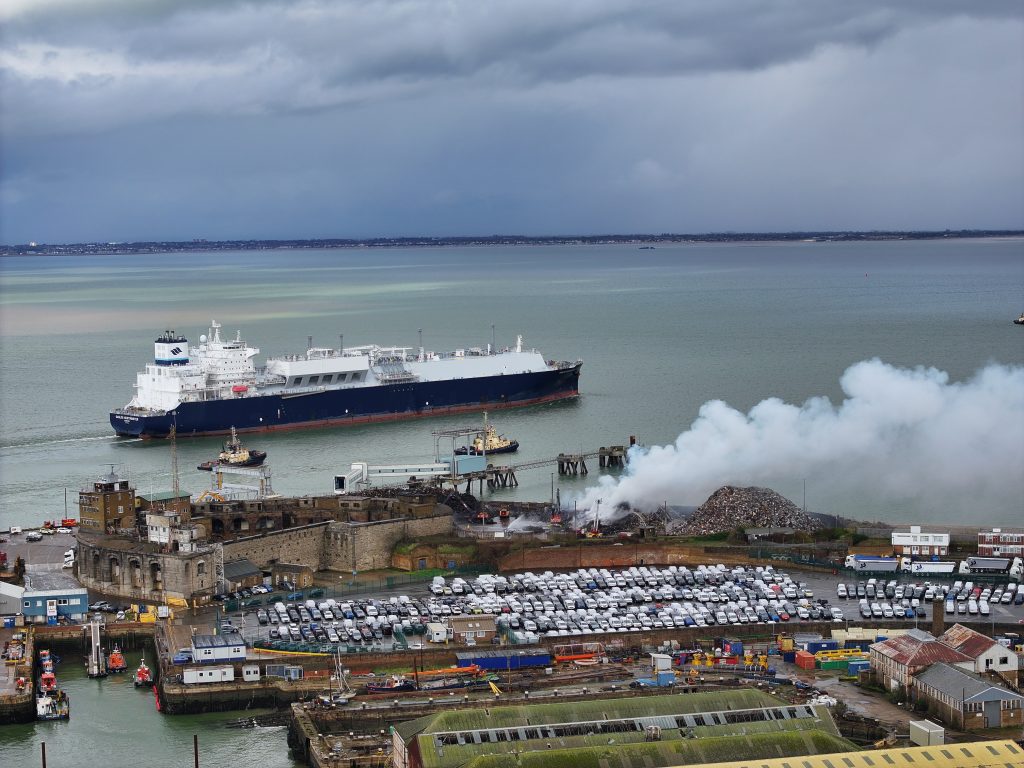

Submarine engineering sits at a point where naval architecture, nuclear propulsion, structural mechanics and safety assurance all have to work together. We support the design, analysis and delivery of subsea platforms and underwater systems across the full programme lifecycle. Our teams include former submariners, nuclear propulsion engineers, naval architects and safety specialists, people who’ve worked on some of the most complex platforms in UK defence.
FAQs: Understanding ship design consultancy
Frequently asked questions (FAQs) about ship design consultancy.
A ship design consultancy is an engineering firm that provides naval architecture, structural design and systems integration for vessel programmes, independent of any shipyard. Working without a commercial interest in the build contract means the advice is based on what the vessel needs, not what suits the builder’s production process.
Shipbuilding engineering is the discipline that takes a vessel from approved design drawings to a completed, classed hull. It covers structural steelwork, mechanical systems, electrical distribution and outfitting, coordinated to a standard that satisfies classification requirements and can actually be built within the constraints of a real shipyard.
Classification approval is an independent review of a vessel’s structural drawings, stability data and system descriptions against a classification body’s published rules. Societies such as Lloyd’s Register and DNV conduct this at design, build and survey stages. Engaging the relevant society early in the design process avoids the modifications that tend to appear when it’s left until later.
Naval architecture is one part of ship design consultancy. It covers hull form, hydrodynamics and stability. A ship design consultancy is broader, coordinating naval architecture with structural engineering, marine systems and regulatory compliance across the whole programme. The difference matters most when a vessel’s systems and structure need to work as a single design rather than separate packages.
Alternative fuels are changing what ship design has to resolve at concept stage. Methanol, ammonia and LNG systems require specific containment arrangements, bunkering provisions and safety zones that affect hull layout from the outset. IMO’s Carbon Intensity Indicator and Energy Efficiency Existing Ship Index are also pushing owners to address propulsion efficiency much earlier than they used to.