Industries
→ Infrastructure & Transportation
→
Rail
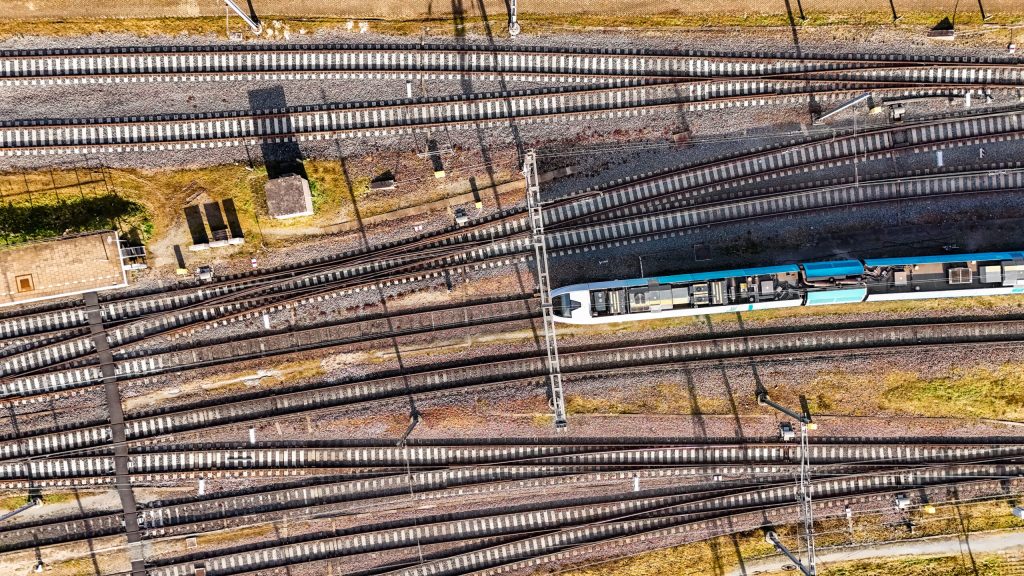
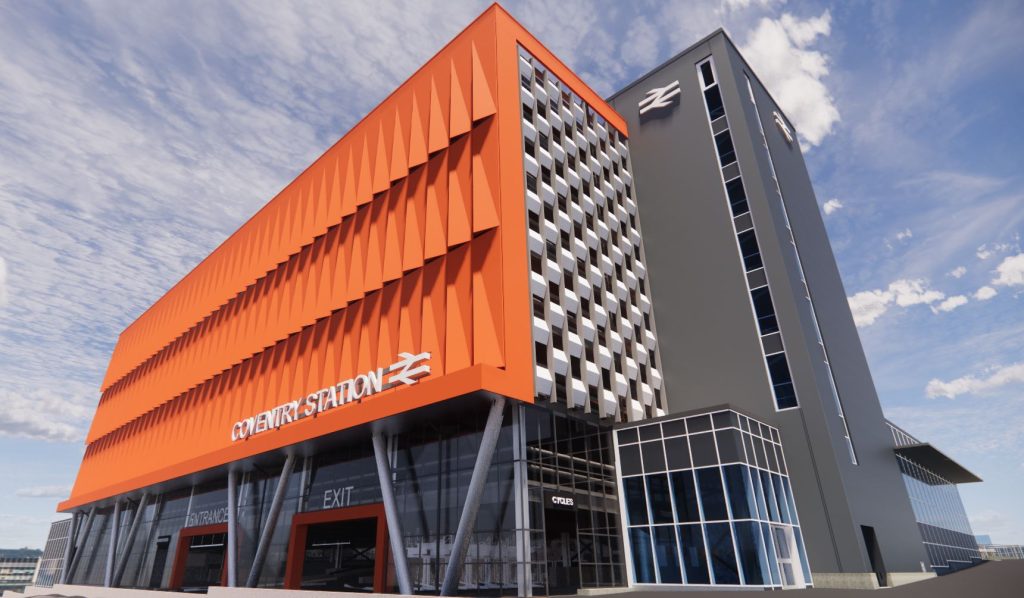
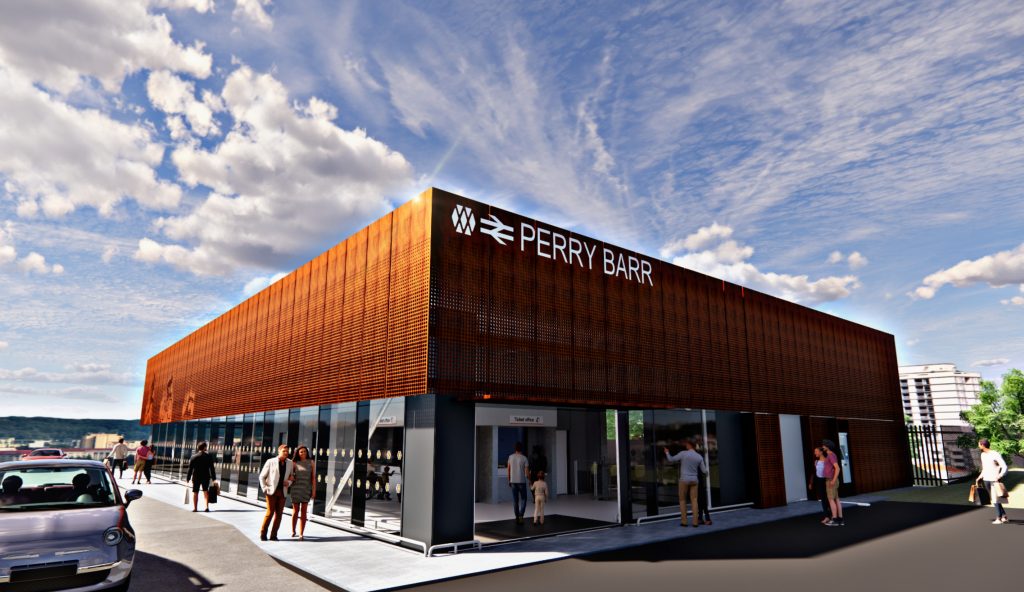
Rail engineering sits at the intersection of public infrastructure and precision engineering: what gets built has to work safely, to programme and often within a live operational environment. At Morson Praxis, we provide rail engineering consultancy across stations, depots, signalling, electrification and systems integration. Our work spans mainline and light rail, with project experience on Network Rail frameworks, Crossrail infrastructure and the Channel Tunnel Rail Link.
Speak to our rail engineering team
What sets us apart in rail engineering
Our teams cover civil and structural engineering, mechanical and electrical building services, BIM-led digital delivery, systems engineering and Principal Designer services. We know how GRIP works in practice, not just on paper, and we’ve delivered across programme stages from early feasibility to construction support. Having that range within a single consultancy reduces the coordination overhead that slows complex rail projects down.
We’ve delivered alongside Costain, WSP, Buckingham Group, Bombardier and Telent. At Old Oak Common, we completed a full multi-disciplinary technical peer review across all depot design disciplines within 10 days. On the Channel Tunnel Rail Link, we provided safety-critical software engineering to SIL 3. The breadth of that client list reflects where the sector turns when the work gets difficult.
Funding and pipeline
Knowing where the work is
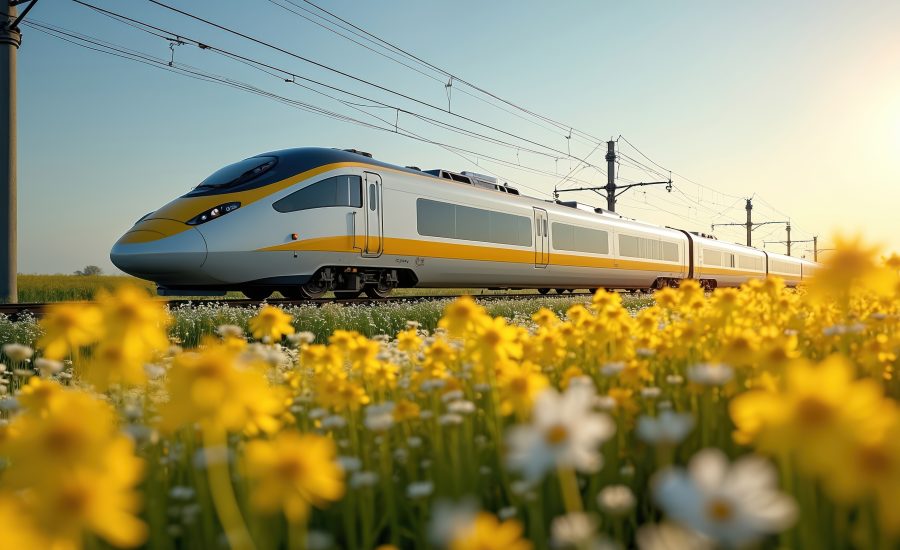
The UK rail sector operates on a five-year investment cycle. Network Rail’s Control Period 7, running from April 2024 to March 2029, commits over £45 billion to operating, maintaining and renewing the network. That sustained funding creates a consistent pipeline across stations, depots, signalling, electrification and digital infrastructure. For clients commissioning within that cycle, knowing how the framework is structured matters as much as technical capability.
Systems assurance
Where the margin for error is zero
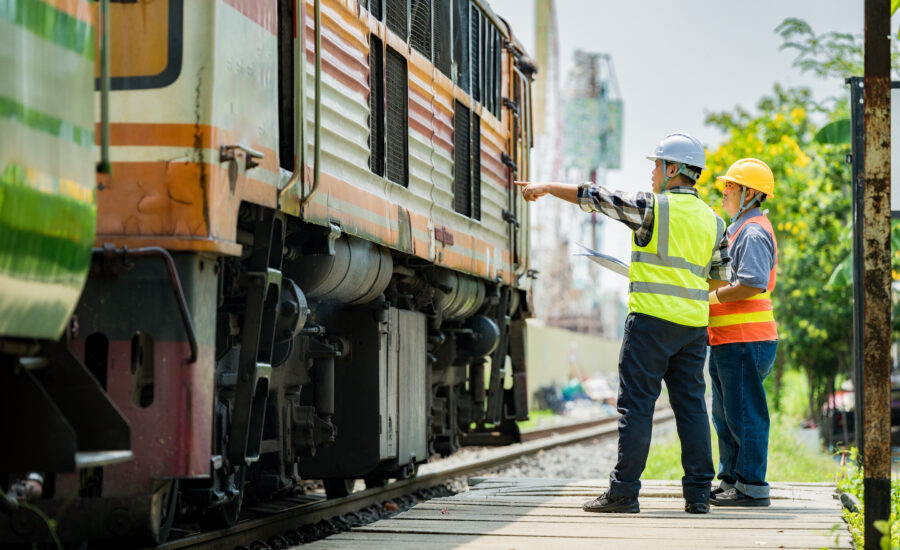
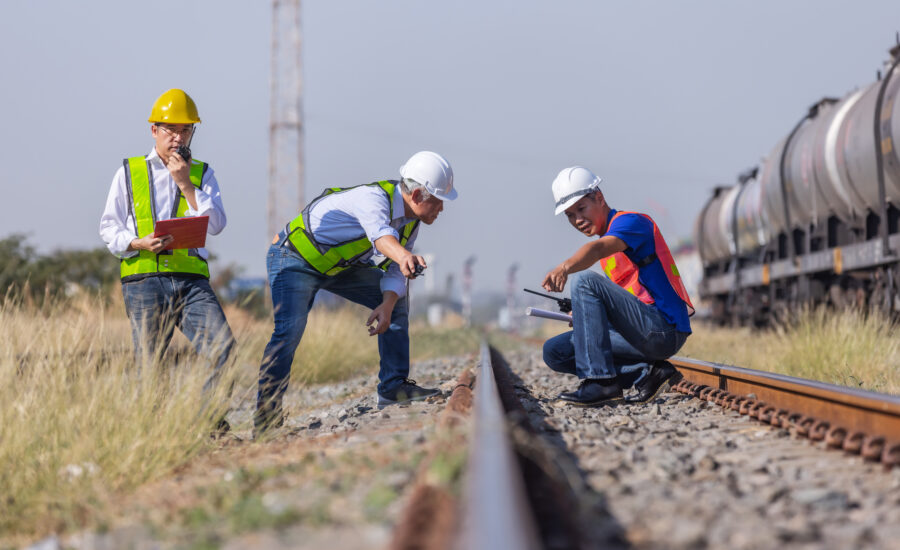
On safety-critical systems, the standards aren’t advisory. Our teams have delivered ventilation control to BS EN 51028 SIL 3 for the Channel Tunnel Rail Link tunnels and developed traction power management systems for Network Rail, covering thousands of kilometres of track from 13 distributed control rooms. Software verification, systems assurance and SCADA architecture are part of our core capability, not specialisms we reach for occasionally.
Multi-disciplinary integration
When the disciplines have to work together
Rail projects rarely fail for lack of expertise in a single discipline. They fail when disciplines don’t coordinate properly. Our multi-disciplinary structure means civil, structural, M&E, systems and digital teams work from the same brief. On live network projects, when a design decision in one area carries implications elsewhere, we resolve it in-house rather than discovering it at the review stage.
Rail engineering in practice
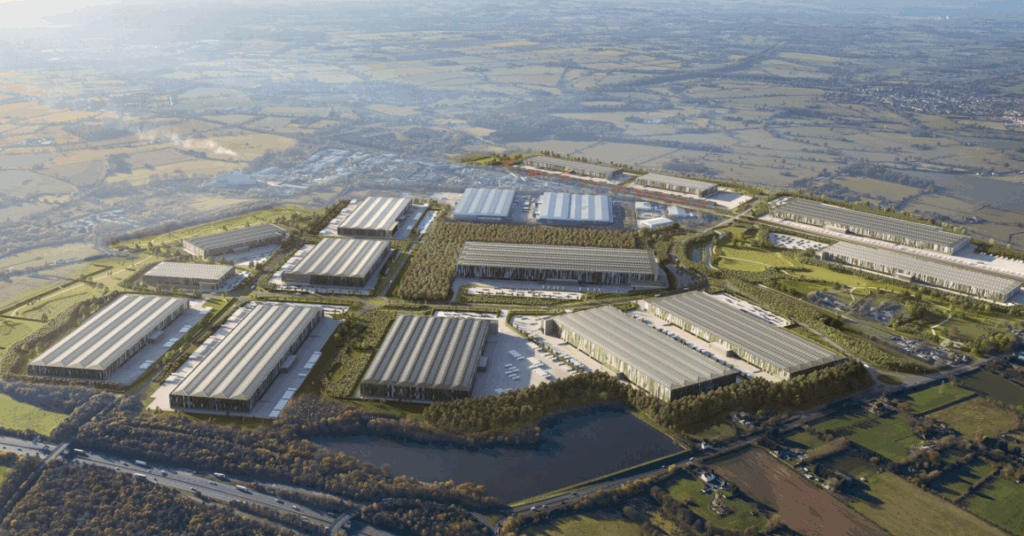
Aviation engineering in the UK is operating under sustained pressure. Heathrow handled a record 84.5 million passengers in 2025, demand is already outpacing infrastructure at several airports, and a run of expansion approvals at Gatwick, Luton and Stansted is putting significant new work into the pipeline. We’re an aviation consultancy covering the full project lifecycle: feasibility and structural design, project management, digital capture and commissioning.
We’re port engineering consultants with experience across the full project lifecycle, from feasibility and concept design through to construction-stage support and digital asset handover. Our team spans civil, structural and maritime engineering, and we’ve worked on some of the UK’s most complex port infrastructure commissions, covering terminal design, marine structures, masterplanning and multi-modal logistics strategy.
Highways engineering is about more than laying tarmac. Our road engineering work covers the full project lifecycle: feasibility, junction design, carriageway specification, drainage, structures and construction support. England’s Strategic Road Network accounts for roughly 2% of roads but carries around 34% of all traffic. That imbalance puts real pressure on every access junction and local distributor connected to it.
FAQs: Understanding rail engineering
Questions we’re often asked about rail engineering.
Rail engineering is the discipline covering the design, construction, maintenance and operation of railway systems: track, structures, stations, depots, signalling, electrification and control infrastructure. It draws on civil, structural, mechanical, electrical and software engineering. In the UK, most major rail engineering work is framed within Network Rail’s GRIP process, which governs design and delivery from concept through to handover.
A rail engineering consultancy is a firm appointed to provide technical design, advice or assurance across railway projects. The role can cover any stage: from early feasibility and options appraisal through to detailed design, construction support and systems commissioning. Many consultancies also act as Principal Designer under CDM regulations, taking responsibility for coordinating health and safety through design.
Rail systems engineering is the discipline that considers how the separate technical components of a railway work together: track, signalling, electrification, rolling stock and control systems. It covers requirements definition, interface management, safety assurance and verification. On large programmes, it’s the function that ensures a change in one part of the system doesn’t create unintended consequences elsewhere.
Railway engineering differs from general civil engineering in its regulatory environment and operational constraints. Work on the live network must comply with Network Rail’s standards and GRIP. Safety-critical systems require formal assurance to SIL standards. Possession management, the process of scheduling access to live track, means programme planning is far more constrained than on most civil infrastructure projects.