Industries
→ Power & Renewables
→
Biomass Engineering
Biomass engineering asks more of a design team than most energy disciplines. Fuel handling, thermal conversion, steam generation, emissions control and electrical export all run through the same plant. And a decision in one area changes the constraints in the next. We work across the full lifecycle (feasibility, consenting, detailed design and commissioning). The work is specific and the margins for error are tight. We’ve been doing it long enough to know where both lie.
Speak to our biomass engineering team
What sets us apart in biomass engineering
Our engineers have worked across dedicated biomass stations, coal-to-biomass conversions and combined heat and power facilities. We understand how feedstock variability affects combustion performance, how protection systems interact with generator configurations, and what realistic commissioning programmes actually look like – not the ones that look good in a programme before the project starts. That experience shapes every design decision we make.
In biomass power plant design, engineering performance and regulatory compliance are the same problem. British Standard requirements, Environment Agency permitting, Renewables Obligation criteria and Contracts for Difference eligibility all shape what gets built and how. Our biomass energy consultancy brings civil, structural, mechanical, electrical, process and environmental disciplines into a single coordinated team, so nothing gets resolved in isolation.
Development support
Getting biomass projects off the ground
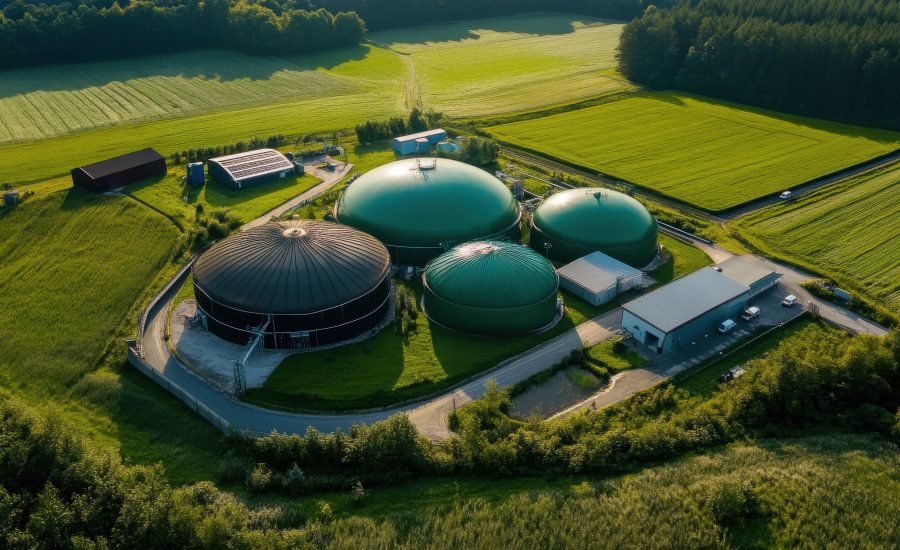
Most biomass projects run into difficulty before a spade goes in the ground. Site selection, fuel supply modelling, grid connection assessment and environmental permitting each carry risk, and each one affects the others. We work through the technical picture early, identify the consenting constraints that matter and give developers a programme they can actually build to. Clarity at the start is cheaper than a redesign halfway through.

Multi-disciplinary design
How we hold a biomass plant together
Change one thing in a biomass plant and it travels through the system. Adjust the fuel specification and the boiler design shifts; change the boiler and the flue gas treatment follows; change that and the stack changes too. We carry the whole design picture across civil, structural, mechanical, process, electrical and instrumentation disciplines, coordinated through a common BIM environment. The interfaces are resolved in the model, not discovered on site.
Future-ready thinking
Building in capacity for what comes next
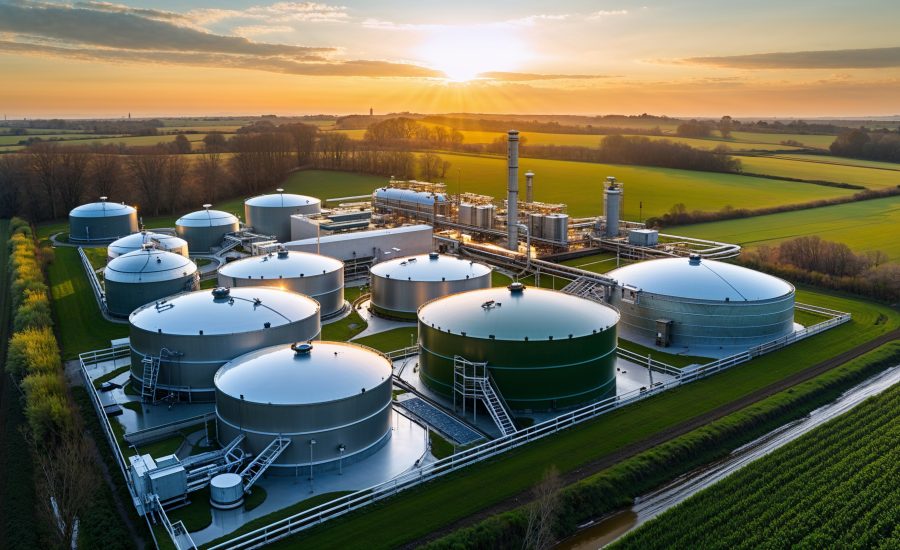
Biomass facilities designed today may need to accommodate carbon capture infrastructure by the early 2030s. The Climate Change Committee’s Seventh Carbon Budget confirms BECCS will be required to reach net zero, and analysis from the REA puts the cost of a one-year delay in retaining capacity at over £1.2 billion. We account for that in biomass power plant design now. Spatial provisions, structural loadings and systems interfaces that don’t need unpicking later.
Biomass engineering in practice
Energos, Energy from Waste
Supporting the design of an Energy from Waste facility on the Isle of Wight, converting waste into renewable power.
View ProjectEnergy from waste engineering covers more ground than most clients expect. It spans process design, structural engineering, emissions control and a regulatory landscape that’s changing faster than the technology. We work with clients across the full project lifecycle, designing waste to energy facilities that extract real value from residual waste, from early feasibility through to construction-ready detailed design.
Energy infrastructure underpins every part of the UK power system: the substations that step voltage up and down, the transmission lines that carry it across the country, the protection schemes that keep it stable, and the generation assets that feed it. We work with power generators, distribution network operators and asset owners to engineer and maintain the power infrastructure the grid depends on.
Oil and gas engineering in the UK is operating in a sector that’s contracting at pace. Production from the UK Continental Shelf sits at roughly 20% of its 1999 peak, the government has ended new exploration licensing, and the NSTA projects an 89% fall in output by 2050. None of that makes the engineering easier. At Morson Praxis, we work with operators and Tier 1 contractors who need technical support across the productive life of existing assets and what comes after.
We provide solar energy consultancy in the UK for developers, landowners, investors and EPC contractors working on ground-mounted solar farms, commercial rooftop PV and co-located battery storage. Our teams span structural, civil, electrical and environmental engineering. On solar projects, that breadth matters. The disciplines that shape a viable scheme don’t sit in separate workstreams. They need to work as one.
Wind farm engineering is one of the most technically complex disciplines in the UK’s energy sector. Onshore capacity stands at 15.7 GW and offshore at 14.7 GW, with government targets requiring significant further build-out by 2030. We work with developers, investors and landowners, assessing sites, managing consent, designing turbine foundations and seeing projects through to grid connection and handover.
FAQs: Understanding biomass engineering
Frequently asked questions (FAQs) about biomass engineering.
Biomass engineering is the practice of designing and operating facilities that convert organic material into heat, electricity or both. It covers fuel handling, thermal conversion, steam and power generation, flue gas treatment and electrical infrastructure. All running as a single integrated plant, typically subject to environmental permitting and sector-specific design standards.
Biomass plant engineering in the UK is governed by Environment Agency environmental permits, British Standard design requirements, Health and Safety Executive regulations and, where relevant, Contracts for Difference or Renewables Obligation consenting criteria. The regulatory picture needs to be understood at feasibility stage. It shapes site selection, technology choice and the design itself.
A biomass energy consultancy is a technical service covering a project from concept to commissioning: site feasibility, fuel supply analysis, technology selection, environmental permitting support, multi-disciplinary plant design and commissioning oversight. Having those disciplines in one team, rather than procured separately, means design decisions are made with the full picture in view.
Biomass power plant design in the UK is typically structured around feasibility and site assessment, fuel handling and storage, combustion or gasification system design, steam and turbine plant, flue gas treatment, continuous emissions monitoring, electrical systems and grid connection. Each stage informs the next, which is why early integration across disciplines matters.