Industries
→ Manufacturing & Technology
→
Industrial & Process
Process engineering is where chemistry, physics and commercial reality have to agree. We work with manufacturers and operators across food processing, agrochemicals and industrial sectors to design, optimise and troubleshoot the processes that keep production running. Our industrial engineering consultancy covers the full asset lifecycle: from initial feasibility and process design through to commissioning, optimisation and decommissioning. The decisions made early in a project shape what’s possible at every stage that follows.
Speak to our process engineering team
What sets us apart in process engineering
Early decisions in process engineering are the ones that matter most. The choices made during concept and basic design determine operability, safety, maintenance requirements and whole-life cost. We engage at that stage, and we stay engaged through detailed design, fabrication and commissioning. Our process engineering consultancy brings chemical, mechanical, instrumentation and civil disciplines into one coordinated team, so the process chemistry, equipment selection and facility design are developed together rather than reconciled afterwards.
We’ve worked across some of the UK’s most demanding manufacturing environments: COMAH-regulated agrochemical facilities, food production sites held to BRCGS standards, and pharmaceutical manufacturing under GMP conditions. Each sector has its own regulatory expectations and its own failure modes. That depth of industrial engineering experience shapes how we approach a new project. We know which questions to ask early, and we know which assumptions are worth testing before they become problems.

From first balance to final isolation
Full lifecycle process design
Process design doesn’t finish when the P&IDs are signed off. It runs from the first mass balance through detailed engineering, fabrication oversight, commissioning and eventual decommissioning. Our process engineering consultancy maintains continuity across every stage, with the same team carrying the design intent from concept to start-up. The result is a facility that behaves as designed, operated by people who were part of the process from the beginning.
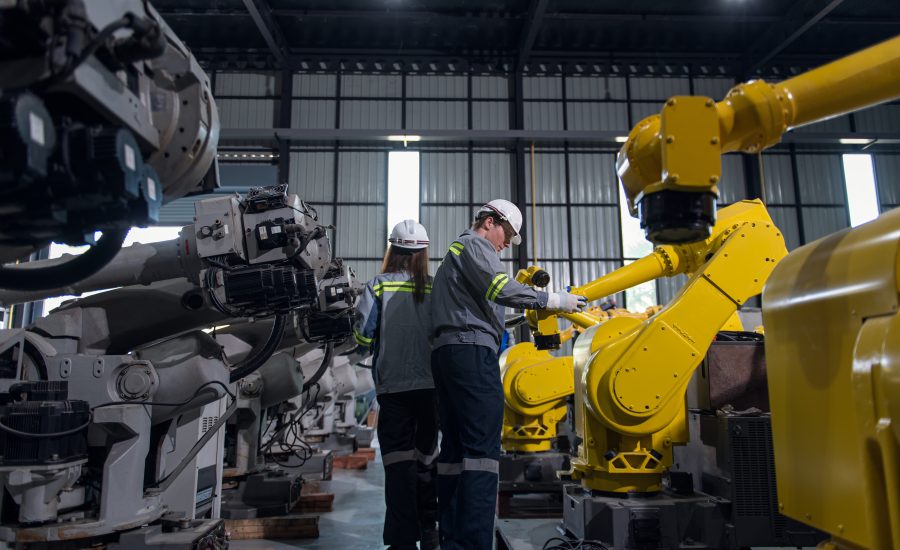
Measurement before conclusions
Troubleshooting and performance recovery
Yield drops, fouling, batch failures and unexplained bottlenecks each have multiple potential causes. The most obvious explanation is often not the right one. We start with measurement: building a clear picture of what the process is actually doing before forming any hypothesis. Then we work systematically through the possibilities. Our industrial engineering teams have resolved persistent process problems on food, chemical and agrochemical sites across the UK, often within days of the first site visit.
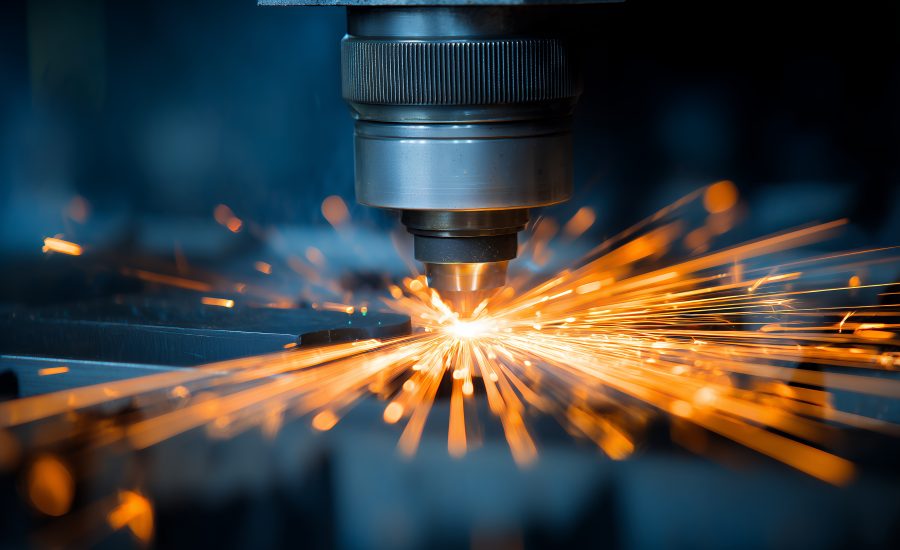
Independent assessment, grounded recommendations
Technology evaluation and selection
New process technologies are worth assessing on their merits, not their marketing. We evaluate candidate technologies against the specific requirements of your process: throughput, yield, safety, operability and whole-life cost. Our process engineering consultancy gives you a clear-eyed view of where genuine performance gains are available, so capital investment goes where it will actually make a difference. That sometimes means confirming that existing equipment, properly optimised, is the right answer.
Process engineering in practice
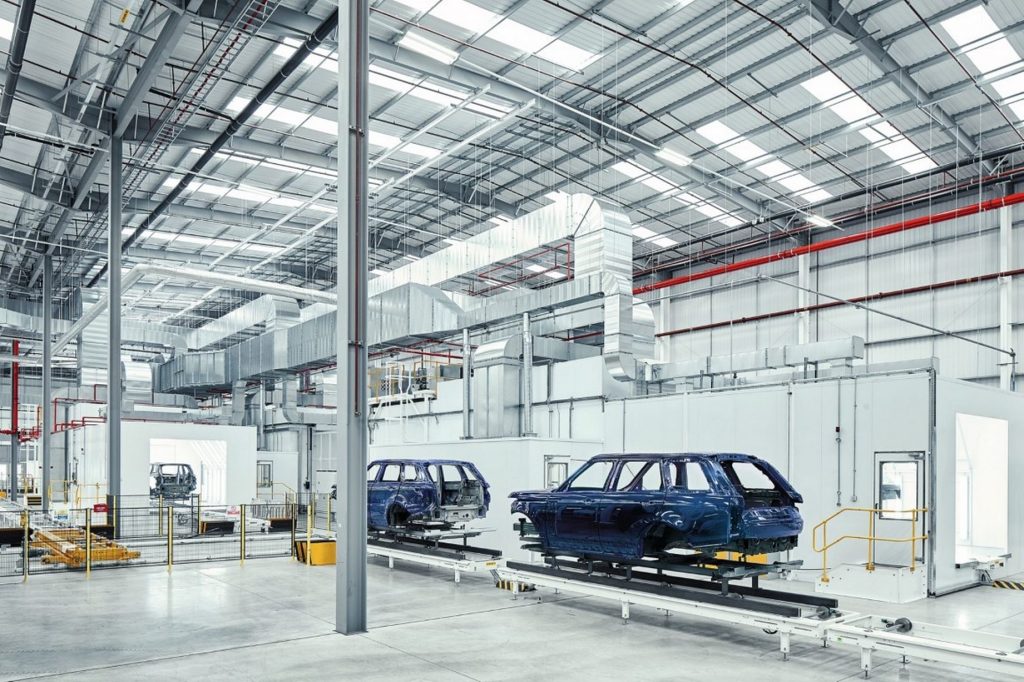
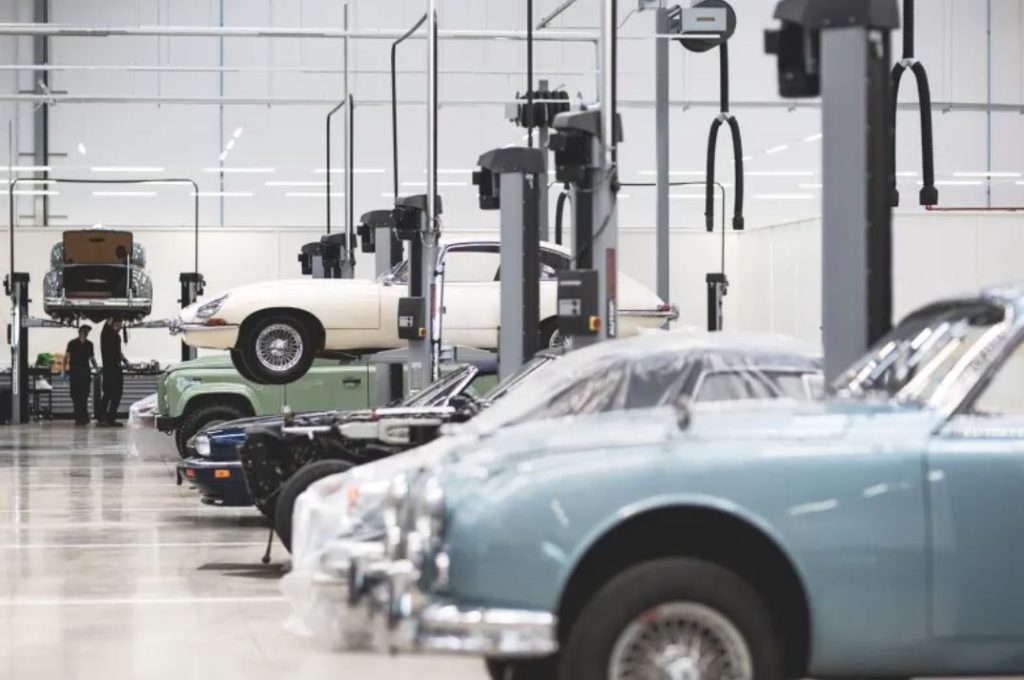
Automotive engineering in the UK is under more pressure than it’s been in decades. New model programmes, gigafactory investment and a hard 2030 end date for petrol and diesel are forcing manufacturers to move fast on infrastructure. We design the facilities that make that possible: assembly lines, trim and final buildings, paint shops and vehicle operations facilities, coordinated across civil, structural and process engineering from a single point of accountability.
Data centre engineering sits at a point where the physical and the digital converge, and the margin for error is genuinely narrow. AI workloads are changing what these facilities need to do. Rack densities are rising. Power and cooling requirements are shifting faster than most design programmes account for. We bring the disciplines together in-house, civil and structural, M&E, BIM, sustainability and commercial risk management, from feasibility through to handover.
Our food manufacturing consultancy covers the full scope of design and engineering for food production facilities: structural and civil work, mechanical and electrical building services, process engineering, and project management, all co-ordinated through a single multi-disciplinary team. The UK food and drink sector contributes £42bn to the national economy and employs close to 500,000 people. The engineering behind those facilities is more demanding than most industrial work. That’s worth getting right first time.
Pharmaceutical engineering leaves little room for approximation. A facility that doesn’t perform at qualification isn’t just a project problem. It’s a regulatory one, with direct consequences for production timelines and patient supply. Morson Praxis works with pharmaceutical manufacturers across the UK to design GMP-compliant facilities that are built around your manufacturing process and ready to stand up to inspection.
FAQs: Understanding process engineering
Commonly asked questions regarding process engineering.
Process engineering is the discipline of designing, operating and improving the industrial processes that convert raw materials into products. It draws on chemistry, physics and thermodynamics to define the conditions a manufacturing process requires: temperatures, pressures, flow rates and conversion efficiencies. It applies across the full asset lifecycle, from initial concept and feasibility through to commissioning, optimisation and decommissioning.
Process engineering is concerned with the chemistry and physics of how a manufacturing process works: reaction conditions, separation, heat and mass transfer. Industrial engineering covers the broader systems, equipment, facilities and workflow that support that process. The two disciplines are closely connected in practice; effective process engineering consultancy addresses both to deliver a facility that performs as a whole.
A process engineering consultancy is a specialist firm that translates a production requirement into a working physical process. Typical services include process design and development, technology evaluation, HAZOP and safety case input, commissioning support, performance optimisation and decommissioning engineering. The scope varies by project stage, from early feasibility studies through to troubleshooting on live production sites.
Process engineering is relevant to any sector that manufactures products through physical or chemical transformation. Food and beverage, agrochemicals, pharmaceuticals, specialty chemicals, water and wastewater treatment, nuclear and oil and gas are among the most common. Industrial engineering consultancy is applicable wherever a process needs to be designed, scaled, optimised or safely decommissioned.
Process engineers in the UK are typically qualified to degree level in chemical engineering or a related discipline. Chartered Engineer status through the Institution of Chemical Engineers (IChemE) is the recognised professional benchmark. In regulated sectors such as COMAH sites or GMP pharmaceutical manufacturing, specific regulatory knowledge and relevant project experience carry as much weight as formal qualifications.