Industries
→ Waste & Utilities
→
Recycling & Renewables
Renewable energy engineering sits at the centre of how the UK will hit its net zero targets: generating clean power and handling the 200 million tonnes of waste produced every year with the infrastructure to match. We work across both sides of that equation. From recycling facility design to energy-from-waste and anaerobic digestion, our engineers have delivered these projects from first principles through to construction.
Speak to our renewable energy engineering team
What sets us apart in renewable energy engineering
The UK’s household recycling rate sits at 43.7%, against a government target of 65% by 2035 (Defra, 2025). That gap translates directly into new recycling plant capacity, MRF upgrades and waste-to-energy schemes that need to be engineered and built. We cover the full structural, civil, mechanical and electrical scope on these projects, so clients aren’t managing separate disciplines trying to work out who owns which problem.
In 2024, renewable sources supplied 50.4% of the UK’s electricity for the first time (DESNZ). Behind every new solar farm, wind development or battery storage site is an engineering workload that rarely gets talked about: access roads, drainage, grid connection routes, cable ducting, ecology packages, flood risk evidence. That work either gets done properly at the start, or it costs significantly more to fix during planning.

Recycling plant and MRF design
Getting material recovery right from the start
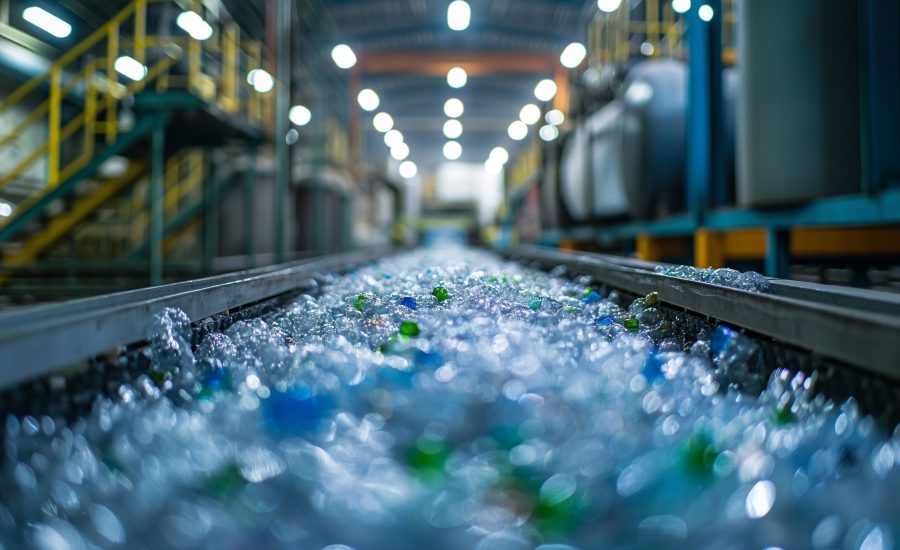
A recycling plant that performs well at commissioning can fail operationally within a few years if the original brief doesn’t account for input stream variability, contamination or throughput growth. We start by working through the waste data (volumes, material types, seasonal variation). The structural envelope, floor loadings, hall geometry, vehicle movements and fire strategy are all configured around how the facility will actually be used.
Thermal treatment and biological processing
Turning residual waste into a productive resource
Energy-from-waste and anaerobic digestion facilities carry a level of technical complexity that becomes apparent quickly. Odour control, leachate management, gas handling and structural tolerances need to work as a system, and the whole thing needs to satisfy an Environment Agency permit before operations can begin. We work across structural and civil design, drainage, mechanical and electrical coordination, planning and technical due diligence for funders and developers.

Renewables engineering across wind, solar and storage
Infrastructure that performs at scale
The UK’s installed renewable capacity now exceeds 60GW (DESNZ, 2024). Delivering that capacity means more than specifying the right technology. It means access tracks capable of taking abnormal loads, drainage that doesn’t affect neighbouring land, cable routes that avoid utility conflicts and ecology reports that stand up to scrutiny. We’ve worked on schemes where the infrastructure constraints decided the outcome, not the technology.
Renewable energy engineering in practice
Energos, Energy from Waste
Supporting the design of an Energy from Waste facility on the Isle of Wight, converting waste into renewable power.
View ProjectMorson Praxis engineers telecommunications infrastructure across the UK. We design data centres, exchange buildings, 5G network facilities and the fibre distribution nodes that connect them, working across civil and structural engineering, M&E building services and BIM delivery. Our teams stay involved from feasibility through to construction, which means the decisions made early in a project hold up when it matters most.
Water treatment engineering in the UK is in the middle of its most significant investment period in a generation. Ofwat has approved £104 billion for water infrastructure between 2025 and 2030, more than double the previous cycle. We work across treatment works, pumping stations, distribution networks and wastewater systems. From feasibility through to commissioning, we apply the same rigour at every stage.
FAQs: Understanding renewable energy engineering
Frequently asked questions (FAQs) regarding renewable energy engineering.
Renewable energy engineering in the UK is the work involved in designing, consenting and constructing clean power infrastructure. It covers wind, solar, battery storage, anaerobic digestion and energy-from-waste. The engineering scope includes structural, civil, drainage and highways work alongside the planning evidence that gets a scheme through consent and into the ground.
Recycling facility design is a process that covers structural design, floor loading, vehicle circulation, fire compartmentation, surface water drainage and mechanical and electrical coordination. It also involves planning consent and, for most waste facilities, an Environment Agency permit. A brief that accounts for contamination risk and throughput growth from the start avoids costly changes further down the line.
Planning permission for a recycling plant in the UK is typically a 12 to 24 month process, depending on scale, location and waste type. Most facilities also require an Environmental Permit from the Environment Agency, which runs in parallel. Starting pre-application conversations with both bodies early reduces the risk of programme delays considerably.
Renewables engineering in the UK is the infrastructure and design work that sits behind the generating technology. For solar and wind projects, that means access tracks, drainage, cable routes, ecological mitigation and flood risk evidence. Grid connection assessment is also part of the scope. These are usually the factors that decide whether a scheme is consented or refused.