Industries
→ Waste & Utilities
→
Water Infrastructure
Water treatment engineering in the UK is in the middle of its most significant investment period in a generation. Ofwat has approved £104 billion for water infrastructure between 2025 and 2030, more than double the previous cycle. We work across treatment works, pumping stations, distribution networks and wastewater systems. From feasibility through to commissioning, we apply the same rigour at every stage.
Speak to our water treatment engineering team
What sets us apart in water treatment engineering
Our control systems division has been active in the water and wastewater sector for over 40 years, delivering hundreds of projects covering SCADA, PLC programming, legacy system migration and hardware upgrades. We hold Schneider Electric’s Certified Alliance SI Partner status for the water and wastewater segment, a recognition that requires real delivery, not just accreditation.
We cover the full project lifecycle: feasibility, optioneering, detailed design, procurement support, construction monitoring and commissioning. Civil, process, mechanical, electrical and control systems engineering sit within a single team. That matters because water projects don’t respect discipline boundaries. Technical knowledge carries through from the first decision to the last, without gaps where things get lost between appointments.
Regulatory landscape
AMP8 and the investment cycle
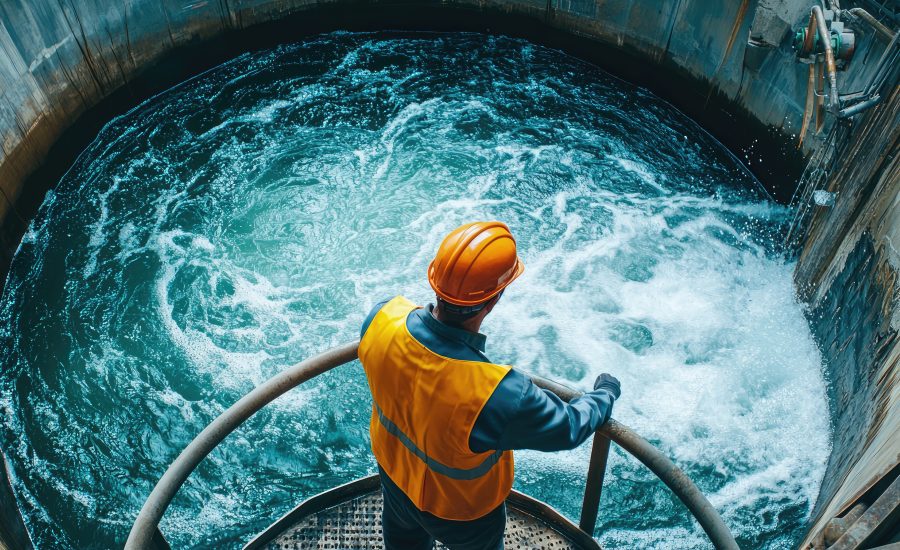
The UK water sector is operating under AMP8, Ofwat’s five-year framework running from April 2025 to March 2030. At £104 billion of approved investment, it’s the largest programme the sector has seen. Leakage reduction, storm overflow management, water quality improvements and climate resilience are the headline commitments. We’ve built our practice around understanding exactly what those commitments require in engineering terms.
Supply under pressure
The scale of the infrastructure challenge
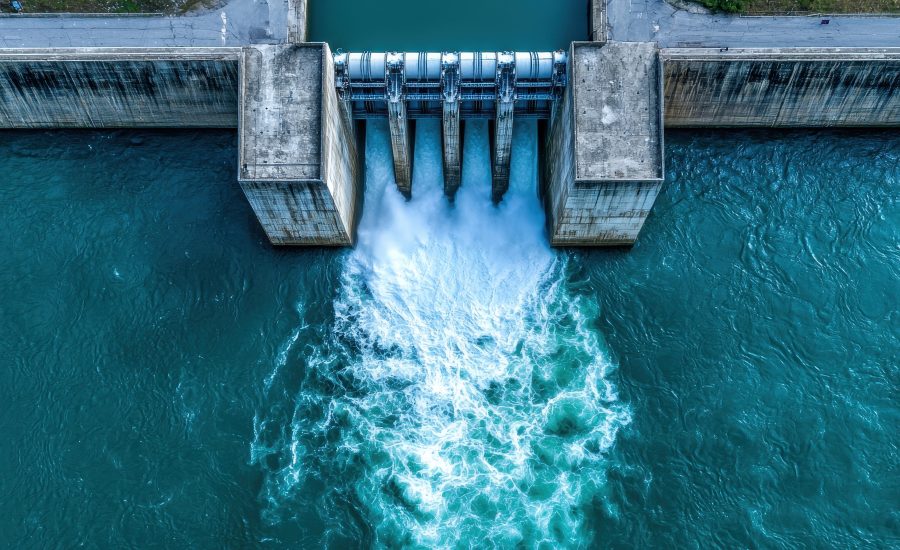
One in five litres of public water supply is still lost to leakage every day in England. By 2050, the country could face a daily shortfall of 3.4 billion litres. Ageing pipe networks, deteriorating treatment works and growing demand from a changing climate are compounding a challenge that’s already significant. The engineering response has to be long-term, not reactive.
Process engineering
Getting wastewater treatment right
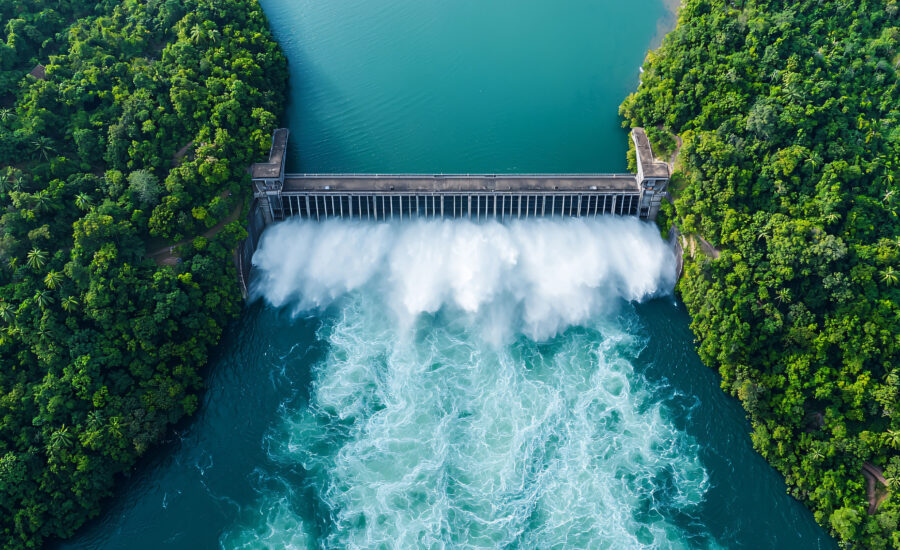
Wastewater treatment is a process engineering discipline as much as a civil one. Biological treatment, chemical nutrient removal, sludge handling and final effluent polishing have to work together precisely. The process design shapes everything downstream: the civil structure, the mechanical specification, the control architecture. We bring process engineers in at the start, where their input actually changes the design.
Water treatment engineering in practice
Energos, Energy from Waste
Supporting the design of an Energy from Waste facility on the Isle of Wight, converting waste into renewable power.
View ProjectRenewable energy engineering sits at the centre of how the UK will hit its net zero targets: generating clean power and handling the 200 million tonnes of waste produced every year with the infrastructure to match. We work across both sides of that equation. From recycling facility design to energy-from-waste and anaerobic digestion, our engineers have delivered these projects from first principles through to construction.
Morson Praxis engineers telecommunications infrastructure across the UK. We design data centres, exchange buildings, 5G network facilities and the fibre distribution nodes that connect them, working across civil and structural engineering, M&E building services and BIM delivery. Our teams stay involved from feasibility through to construction, which means the decisions made early in a project hold up when it matters most.
FAQs: Understanding water treatment engineering
Questions we’re often asked about water treatment engineering.
Water treatment engineering is the discipline of designing and delivering systems that make raw water safe to drink, or return treated effluent safely to the environment. It draws on civil, process, mechanical and electrical engineering, covering treatment works, pumping stations, pipeline networks and control systems across the full infrastructure lifecycle.
Water infrastructure in the UK is undergoing its largest investment programme in decades. Ofwat’s AMP8 framework, running from 2025 to 2030, commits £104 billion to modernising treatment works, reducing leakage, cutting storm overflows and improving climate resilience across England and Wales.
Water supply engineering is the design and delivery of infrastructure that moves clean water from source to consumer. It covers abstraction, treatment processes, pumping and distribution networks. In the UK, projects must meet Ofwat performance commitments, Environment Agency licensing requirements and long-term demand forecasts set out in water resources management plans.
Wastewater treatment engineering in the UK is focused on reducing storm overflow incidents, meeting tighter effluent quality standards and managing the increasing complexity of influent compositions. The Environment Act 2021 and AMP8 investment commitments are both driving significant upgrade programmes at treatment works across England and Wales.
The right water treatment engineering consultant is one who integrates civil, process and control systems disciplines within a single team. Look for sector-specific experience, a clear understanding of Ofwat’s AMP8 requirements and a track record across both new-build and rehabilitation schemes.