Industries
→ Aerospace & Defence
→
Land Systems
We provide land systems consultancy across the full breadth of ground-based defence, covering military land systems design, vehicle platform engineering, soldier systems, defence infrastructure and the through-life support that determines whether a platform performs when it’s needed. What we do isn’t confined to a single programme phase. We work at the concept stage, in assessment and development, through manufacture and acceptance, and into service.
Speak to our land systems consultancy team
What sets us apart in land systems consultancy
Our work in land systems consultancy is independent. We have no commercial stake in a platform’s design outcomes, which means our advice isn’t shaped by a supplier relationship or a delivery contract. When we identify a problem, we say so. When a requirement is poorly defined, we say that too. That independence matters most at the points in a programme where the pressure to move forward is highest and the cost of doing so without adequate assurance is greatest.
Sound military land systems design starts at concept stage, not when the contract is placed. Requirements need to be operationally meaningful, technically achievable and testable. We work across the full CADMID lifecycle, applying technical rigour at each phase to keep programmes coherent as they move forward. That means asking the structural question and the operational one at the same time, and designing for the person in the field.

Systems engineering
Managing complexity from concept to acceptance
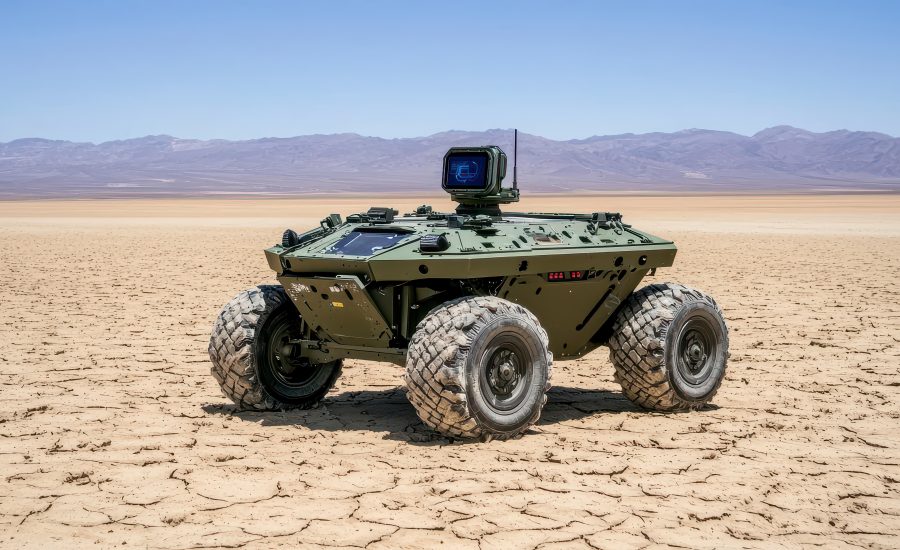
Modern armoured platforms integrate weapons, electronics, crew systems and communications into a single architecture. Our engineers manage that complexity from concept through acceptance and into service, maintaining technical coherence as requirements shift and technology matures. We’re familiar with the regulatory framework governing UK land programmes, including DEF STAN 00-600, CADMID and the DSA, and work within them as standard.
Human factors & safety
Designed around the people who use it
The most persistent source of failure in land systems is a mismatch between how a system was designed and how it’s actually used. We integrate human factors from concept stage, shaping equipment specifications and interface requirements around real operational conditions. Our independent safety advice covers hazard identification, safety case development, risk management and acceptance assurance – free from programme pressure.
Noise, vibration & through-life support
Engineering parameters that matter in service
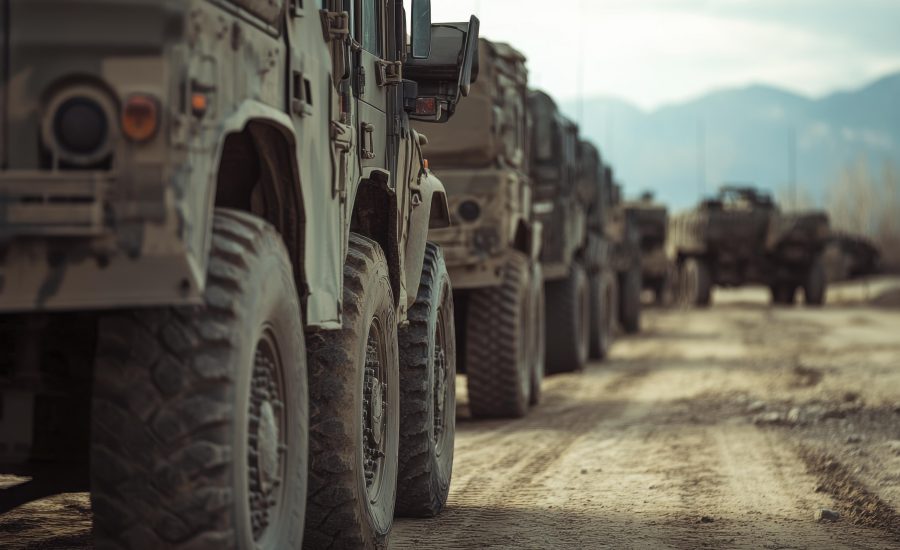
Noise and vibration are safety-critical engineering parameters. Crew exposure over operational timescales causes lasting physical harm, and the programme consequences of getting it wrong are severe. Signature management (covering electromagnetic, acoustic, thermal and visual detectability) is a design discipline not a retrofit. Operational availability also depends on supportability. We bring ILS planning into programmes at concept stage, where it has the most influence.
Land systems work in practice
BAE Systems, New Advanced Hawk
Morson Praxis’ internal concurrent engineering capability enables the delivery of complex aerospace projects within challenging timeframes. For the new advanced […]
View ProjectMore aerospace & defence expertise
Our applied technical consultancy for ground‑based defence programmes forms part of our broader aerospace and defence capability.



FAQs: Understanding land systems consultancy
Answers to frequently asked questions about land systems acquisition and in-service support.
Land systems consultancy is independent technical advice provided across the full acquisition, design and support lifecycle of ground-based military equipment. Unlike a prime contractor, a consultancy has no commercial stake in a platform’s outcome. That independence is what makes the advice useful. It reflects what the programme actually needs, not what’s convenient for any particular supplier.
Land systems are the ground-based military technologies and equipment through which armed forces operate, including armoured vehicles, soldier systems, weapons platforms, training environments and fixed military infrastructure. In a UK defence context, land systems also encompasses the acquisition frameworks, engineering standards and through-life support structures that keep those assets safe, available and operationally effective.
Morson Praxis is experienced in providing independent technical analysis, structural assessment and safety assurance for in-service land systems platforms. Our work covers reliability and availability analysis, noise and vibration assessment, ILS review and signature management, helping programme teams understand the performance and risk profile of existing assets and identify the most cost-effective routes to improvement.
Our land systems consultancy expertise is built across systems engineering, military land systems design, human factors, independent safety assurance, integrated logistics support, noise and vibration analysis, signature management and requirements management. We work across the full CADMID lifecycle alongside both MOD clients and prime contractors, providing the independent technical depth that complex ground-based defence programmes require.
Military land systems design at concept stage is the process of establishing what a platform needs to do, under what conditions, operated by whom and at what through-life cost. Requirements defined here shape every subsequent programme decision. Errors made at concept stage are the most expensive to correct and the least likely to be caught until it’s too late.
Noise and vibration are safety-critical engineering parameters, not secondary comfort considerations. Prolonged crew exposure to excessive levels causes lasting physical harm and can suspend entire programmes. Managing them requires structural modelling and analysis at design stage. Addressing them in response to an in-service incident, as the British Army’s Ajax programme demonstrated, is significantly more costly than designing them out.
Signature management is the engineering discipline of reducing a military platform’s detectability across electromagnetic, acoustic, infrared and visual signature types. In a ground environment, reduced detectability directly affects crew survivability. It is most effective when treated as a design input from concept stage rather than a modification applied to a platform that’s already been built.
Integrated Logistics Support is the framework that determines whether a military platform can be sustained at the operational availability the Army requires. It covers maintenance planning, spares provisioning, technical documentation and supply chain design. Programmes that address ILS at concept stage consistently achieve lower through-life costs and higher availability than those that defer it to delivery phase.
UK land systems programmes are governed by a defined set of regulatory and acquisition standards. DEF STAN 00-600 covers Integrated Logistics Support. The Defence Safety Authority sets the framework for all defence safety cases. The CADMID model governs programme phasing, and DE&S frameworks shape supplier and consultancy engagement with MOD procurement.