Industries
→ Buildings & Development
→
Student Accommodation
We work with student accommodation developers across the full project lifecycle, from early feasibility through to technical delivery and handover. Purpose-built student accommodation is one of the more demanding sectors in the built environment: high bed density, complex building services, tight programmes and sustainability targets that have to be met from the outset, not retrofitted at the end.
Speak to our student accommodation development team
What sets us apart in student accommodation development
We’re a multi-disciplinary consultancy, which means architecture, structural engineering, M&E building services, BIM, sustainability and project management all sit under one appointment. On complex PBSA schemes, that coordination matters. The points of failure on student accommodation projects are usually found at the boundaries between disciplines. Where information stops flowing, where assumptions go unchallenged. Having those teams working together from the start reduces that risk considerably.
We tend to get involved early, and that’s where we add most value. The decisions made before planning is lodged (frame strategy, services routing, sustainability targets) set the parameters for what a scheme can deliver and what it costs to build. Getting those decisions right at the start means less rework later, and programmes that are genuinely achievable rather than aspirationally drawn.

Planning and consenting
How PBSA schemes navigate the planning system
Purpose-built student accommodation attracts specific planning scrutiny: density, student management plans, transport impacts and the effect on local housing supply are all common points of contention. We support developers through pre-application engagement, prepare sustainability statements and planning documentation, and produce architectural visualisations that demonstrate design quality. A clear planning strategy (agreed early) shapes how the rest of the programme runs.
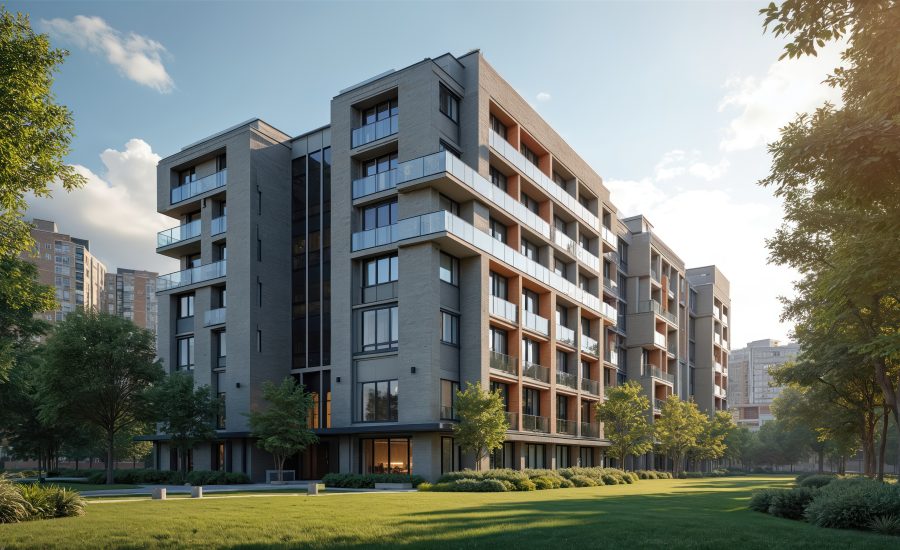
Building performance
Why sustainability credentials now shape investment decisions
Institutional investors and university partners look closely at BREEAM ratings, EPC performance and embodied carbon before committing to a PBSA scheme. We bring sustainability planning in at the start, setting energy and carbon targets before the structural strategy is fixed, specifying low carbon building services that sit within the cost plan, and producing the assessments that funders and planning authorities require.
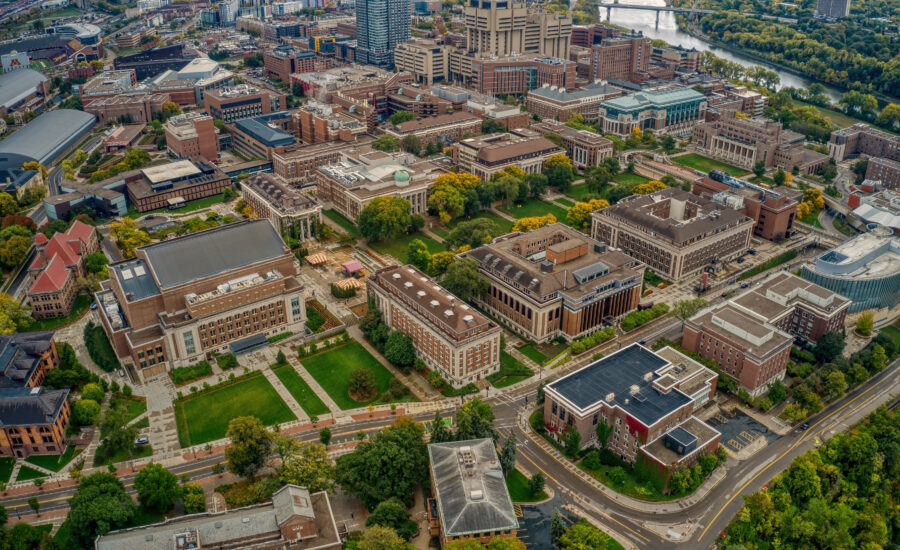
Operational efficiency
Designing building services that hold up over time
M&E design is where PBSA schemes either work well or become a maintenance problem. High-density student buildings put pressure on mechanical and electrical systems that a typical residential scheme doesn’t: communal kitchens, 24-hour occupancy, high bathroom usage and the expectation of robust, low-maintenance infrastructure. We design to those real operational conditions, covering HVAC, electrical distribution, fire engineering, security systems and low-carbon technologies.
Student accommodation development in practice
Orbit Homes, Fordham House Residential Scheme
Morson Praxis acted as Project Manager for Orbit Homes, delivering award-winning Fordham House residential apartments in Birmingham.
View ProjectCare home developers work within one of the more demanding planning and regulatory environments in the built environment. CQC registration, Health Building Notes and Use Class C2 planning each carry design implications that need resolving early.
We work with care home developers across the full process: feasibility, planning, detailed design, construction and handover across projects such as residential care homes, dementia care units, extra care housing and retirement schemes.
Morson Praxis are education building consultants working across the full lifecycle of educational building projects. We work with local authorities, academy trusts, contractors, and higher education institutions, including on DfE-funded programmes. Education buildings are judged by how they perform, not how they photograph. Those outcomes are shaped by engineering decisions made early in design.
Retail fit out is about more than creating an attractive space. Every design decision influences operational efficiency, customer experience, programme certainty and long-term performance.
At Morson Praxis, we provide applied technical consultancy for retail environments, bringing together each discipline within a single integrated team. This approach ensures design intent, technical requirements and delivery considerations remain aligned from concept through to completion.
Healthcare facility design is where engineering meets clinical operations, and the margin for getting it wrong is essentially zero. Decisions made early in a project, about how departments relate to each other, how air moves through a clinical zone, how a building performs in 30 years, shape everything that follows. We work on healthcare projects across the UK: from mechanical and electrical building services design on new-build private hospitals to multi-disciplinary delivery on care and extra care developments. We bring technical expertise and a practical understanding of how these buildings function day to day.
Building conservation starts with evidence. A listed building carries a record of every decision made about it: repairs, alterations, interventions that helped and ones that caused damage. Reading that record accurately, before anything is designed or specified, is where the real work begins. We work on listed buildings, scheduled monuments and properties within conservation areas. Our conservation specialists work in-house alongside structural engineers, M&E designers and digital capture teams, so the advice is never fragmented.
As multi-disciplinary property development consultants, we support housing schemes from appraisal to handover: architecture, planning, civil and structural engineering, sustainability, and project management under one programme. We work with housing associations, private developers, local authorities and registered providers across the UK. Planning constraints, ground conditions, energy performance requirements, biodiversity net gain obligations. Each can reshape a scheme. Resolving them early keeps more options open.
Leisure property development carries a dual brief: function and compliance on one side, the quality of visitor experience on the other. Those two objectives don’t always pull in the same direction. Resolving the tension between them, on budget and on programme, is where we bring a multi-disciplinary team. We cover hotels, visitor attractions, cultural venues and entertainment spaces, from early feasibility to handover.
Our life sciences consulting work spans laboratories, cleanrooms, research facilities and pharmaceutical manufacturing environments. These buildings carry regulatory obligations, contamination control requirements and technical infrastructure demands that shape every design decision, from structural grid to services specification. We’re Morson Praxis, a multi-disciplinary technical consultancy. We understand how these spaces need to function at a scientific and process level, not just an architectural one.
Ministry of Justice engineering sits at one of the more demanding intersections in the built environment: technical complexity, strict compliance and operational consequence, all in the same brief. At Morson Praxis, we’ve worked across prisons, courts, remand centres and the wider secure estate. We know the MOJ’s Technical Standards Specifications, Core Requirement Documents and KPI frameworks, and we know what compliant, well-engineered buildings look like in practice.
Public sector consulting demands something most projects don’t: accountability to everyone. Local authorities, government departments and public estates teams carry the weight of public funding, community expectation and regulatory scrutiny all at once. We’re Morson Praxis, and we work alongside public sector clients to deliver buildings and infrastructure that hold up to that scrutiny. Technically rigorous, commercially disciplined and grounded in the realities of publicly funded work.
Good commercial construction services start well before anyone breaks ground. They start with the right disciplines in the room at the right time, asking the right questions about how a building will actually be used. We work across architecture, structural engineering and building services under one appointment, so nothing falls between the gaps and the brief that gets built matches the brief that was written.
Secure mental health facility design is among the most technically and ethically demanding work in the built environment. Every decision, from anti-ligature specifications and sightlines to mechanical services and materials, carries direct clinical weight. We work with NHS trusts, independent providers and construction partners to deliver secure environments across the UK that are safe, regulatory-compliant and designed around the people who use and work in them.
FAQs: Understanding student accommodation development
Frequently asked questions (FAQs) about student accommodation development.
Student accommodation developers are best served by a consultancy that covers architecture, structural and civil engineering, M&E building services, BIM and sustainability under a single appointment. Integrated delivery reduces the coordination risk that tends to build up at the boundaries between specialist teams (a particular issue on high-density PBSA schemes where the programme leaves little room for late-stage design changes).
BREEAM certification is now a standard requirement for purpose-built student accommodation developed in partnership with universities or backed by institutional investment. A minimum of ‘Very Good’ is typically expected at planning stage, and ‘Excellent’ is increasingly the target on flagship schemes. The rating is only achievable if sustainability targets are set at the point of brief, not introduced after the design is established.
Appointment is most valuable before planning is submitted. Early technical input on structural strategy, services coordination and sustainability performance establishes what a PBSA scheme can realistically deliver and at what cost. Late-stage design changes are one of the most common sources of programme delay on student accommodation projects, and most of them trace back to decisions that weren’t resolved early enough.
The main technical challenges are maintaining high bed density without compromising on amenity standards, routing complex M&E services within tight floor-to-floor heights, and hitting BREEAM and EPC targets within a cost plan that’s already under pressure. Frame strategy and services coordination are the two areas where early decisions have the most influence on whether a scheme stays on programme and on budget.