Industries
→ Infrastructure & Transportation
→
Ports
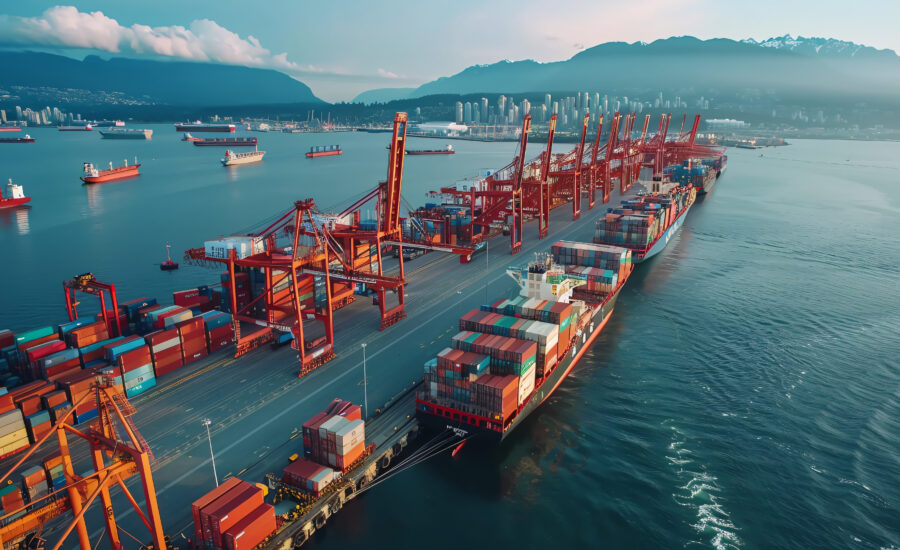
We’re port engineering consultants with experience across the full project lifecycle, from feasibility and concept design through to construction-stage support and digital asset handover. Our team spans civil, structural and maritime engineering, and we’ve worked on some of the UK’s most complex port infrastructure commissions, covering terminal design, marine structures, masterplanning and multi-modal logistics strategy.
Speak to our port engineering team
What sets us apart in port engineering
The engineering decisions made early in a port project tend to have the longest reach. A berth specification, a ground investigation scope, a phasing strategy: get these wrong and the consequences follow all the way through. We work across disciplines from the start, so the civil, structural and marine threads of a commission stay coordinated rather than converging late.
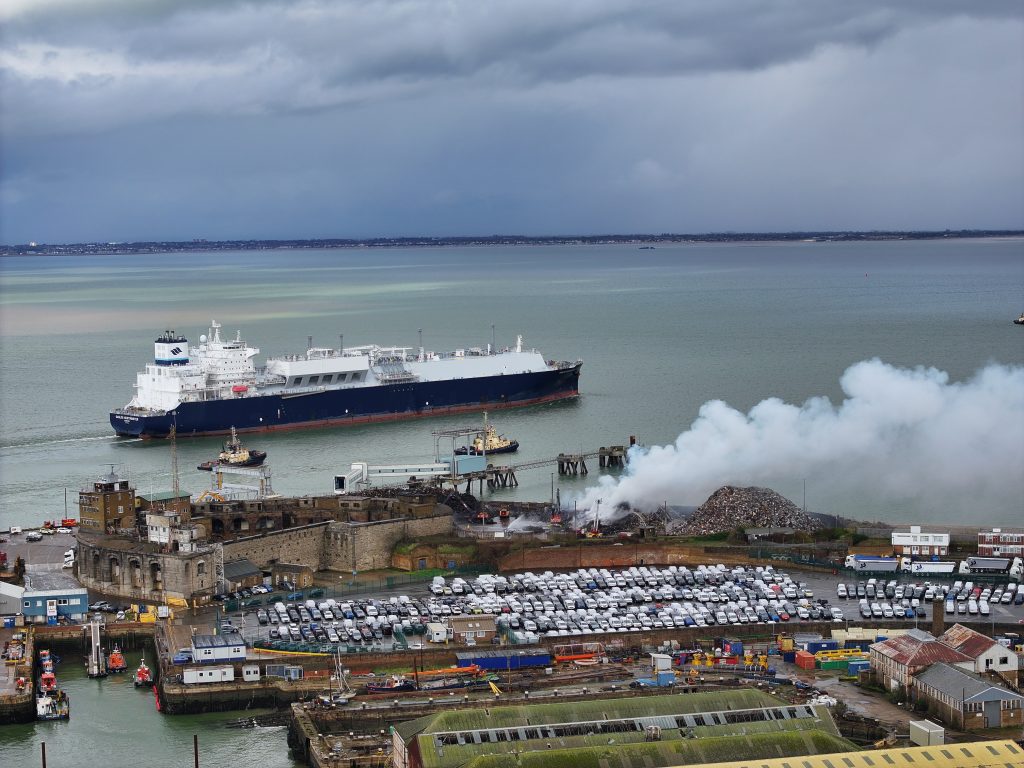
We’ve had a long working relationship with Peel Ports, including commissions across the Sheerness Port Masterplan covering marine structure design, digital capture and logistics masterplanning. Repeat appointments in port engineering come from getting the detail right on the first one. Our work brings together structural and civil engineering, BIM, laser scanning and logistics strategy under a single coordinated team.
Marine structures
Designing for the water's edge
Ports ask a lot of their structures. Tidal exposure, vessel impact loads, saltwater corrosion. These aren’t occasional conditions, they’re the baseline. We design quay walls, pontoons, access bridges and berthing infrastructure with that reality built in. Serviceability and longevity aren’t goals added at the end of the process. They shape the geometry, materials specification and structural approach from the outset.
Survey and capture
Building on what's actually there
Port engineering on existing infrastructure starts with one question: what are we actually working with? Historic drawings are unreliable. Structures built decades ago weren’t designed to be surveyed digitally. We use laser scanning and GNSS technology to produce coordinated BIM models of existing assets before design work begins, so decisions are grounded in real site conditions rather than assumptions inherited from old records.

Long-term planning
Making room for what comes next
A port masterplan that only accounts for current demand isn’t much of a masterplan. The decisions made about land use, logistics flows, rail connectivity and phased development now will shape what an operator can do in 15 years. We produce frameworks that give clients a clear delivery sequence and keep future options open, without committing to a buildout order that circumstances will overturn.
Port engineering in practice
Aviation engineering in the UK is operating under sustained pressure. Heathrow handled a record 84.5 million passengers in 2025, demand is already outpacing infrastructure at several airports, and a run of expansion approvals at Gatwick, Luton and Stansted is putting significant new work into the pipeline. We’re an aviation consultancy covering the full project lifecycle: feasibility and structural design, project management, digital capture and commissioning.
Rail engineering sits at the intersection of public infrastructure and precision engineering: what gets built has to work safely, to programme and often within a live operational environment. At Morson Praxis, we provide rail engineering consultancy across stations, depots, signalling, electrification and systems integration. Our work spans mainline and light rail, with project experience on Network Rail frameworks, Crossrail infrastructure and the Channel Tunnel Rail Link.
Highways engineering is about more than laying tarmac. Our road engineering work covers the full project lifecycle: feasibility, junction design, carriageway specification, drainage, structures and construction support. England’s Strategic Road Network accounts for roughly 2% of roads but carries around 34% of all traffic. That imbalance puts real pressure on every access junction and local distributor connected to it.
FAQs: Understanding port engineering
Frequently Asked Questions (FAQs) about port engineering.
Port engineering is the discipline covering the structural and civil design of maritime infrastructure, from berths, quay walls and pontoons through to terminals and the landside logistics connections that serve them. It draws on geotechnical, structural, marine and environmental engineering, and typically runs from initial feasibility through detailed design and into construction-phase technical oversight.
Port design is a specialisation within civil engineering that addresses conditions specific to maritime environments: tidal loading, vessel berthing forces, saltwater exposure and the operational demands of a working port. Standard civil engineering practice doesn’t always account for these variables. Port design requires experience across marine structures, hydrodynamics and the regulatory framework that governs work in and around navigable water.
Port infrastructure assessment typically starts with a detailed survey of existing structures, including digital capture techniques such as laser scanning to establish accurate as-built conditions. Structural condition assessments, geotechnical investigation and hydrographic surveys follow. The findings inform a feasibility report that sets out the design options, their relative risks and a realistic cost and programme envelope before detailed design begins.
Port engineering services are usually structured around the RIBA stages, covering feasibility, concept design, developed design, technical design and construction support. A full-service consultancy will also provide masterplanning, logistics strategy, environmental and planning support, digital capture and BIM delivery. Some commissions cover the full range; others are scoped to specific technical stages where specialist input is needed.
Port engineering consultants are best evaluated on sector-specific project experience rather than general civil engineering credentials. Look for demonstrated capability in marine structural design, experience working on live operational ports, and in-house digital survey and BIM delivery. The ability to coordinate across structural, civil and marine disciplines under a single appointment reduces risk and simplifies project management significantly.