Services
→ Building Consultancy
→
BIM Consultancy
We’re BIM consultants, and we think of Building Information Modelling as a discipline first and a piece of software second. Done properly, it means a wall, a cable route or a plant room becomes a piece of data. Architects and engineers can read it, and so can the facilities team. Get that right, and clashes get caught on screen instead of on site. We’ve been doing this work since before the mandate made it compulsory.
What sets us apart in BIM consultancy
Certified ahead of the mandate
A track record built before it was required
The UK’s BIM mandate came into force in April 2016. We’d already built the habits it required. We earned BRE BIM Level 2 Certification in 2017, then BRE ISO 19650-2:2018 Certification in 2021, among the first UK BIM consultancy practices with UKAS accredited status. Our consultants trained through the BRE ISO 19650 course and Middlesex University’s BIM Management Masters, then applied it on live nuclear sites and decommissioning schemes, where an information error has real consequences.
BIM implementation is as much about people as it is about software. A licence and a template will get a model started, but they won’t get it trusted. We build our implementation programmes around BS EN ISO 19650, starting with the right Exchange Information Requirements and a BIM Execution Plan your teams can follow. Training comes next, so the approach holds once the project moves at pace.
Most BIM support services problems trace back to the same cause. A model looks complete on screen but was never checked against what the project actually needed. We treat the information with the same care as the geometry, so the two stay in step. Our people handle modelling and coordination alongside information management, and our training comes from real projects rather than generic material. BIM implementation carries through the whole project rather than stopping at an early milestone.
Pedestrian flow modelling is often taken to be about the pictures: a rendered crowd moving through a rendered concourse. The real value sits earlier than that, in the decisions it changes before a design is fixed. We use agent-based simulation to test how people will move through a space before it exists, so problems get caught on screen rather than in a finished building. It’s part of our BIM consultancy work, alongside the structural and services modelling that runs through a project’s design and delivery.
Construction programmes generate a large amount of information across their lifespan: models, drawings, specifications, change records. Most delays and disputes on site trace back to a simple failure. The information arrived late, in the wrong format, or not at all. Project information management keeps that information accurate and accessible, so the right version reaches the right person at the right point in the build, and stays trustworthy long after the scaffolding comes down.
Most organisations lose track of their project data within a year of handover. Models get archived, folders get buried, and the information that cost millions to produce becomes something nobody can quite find again. Strategic information management is how we stop that happening. We build the structure and the standards your information needs to outlive the project that created it, with the oversight to keep both in place. Every asset in your portfolio keeps paying you back long after the team has moved on.
How we support BIM consultancy projects
Our BIM consultants bring structure to information at every stage of a project, so the people relying on it know it can be trusted.
A BIM consultant’s work starts before any model exists. We set information standards first, so every discipline works from the same rules. Our implementation plans follow BS EN ISO 19650, and we keep track of where the standard is heading: proposed changes announced in March 2026 are already shaping how information gets managed, and we’re building that into our approach now.
Implementation is the beginning, not the end. Our BIM services and support mean there’s someone to ask when a query comes up or a process needs revisiting. We also manage project data across its full lifecycle, so the information stays usable and the team can find what they need, long after handover.
Some clients need more than support on a single project. Our strategic information management builds longer term strategies around how your organisation generates and uses data. Handled well, that information becomes something you can draw on for years. Left unmanaged, it tends to become a cost instead.
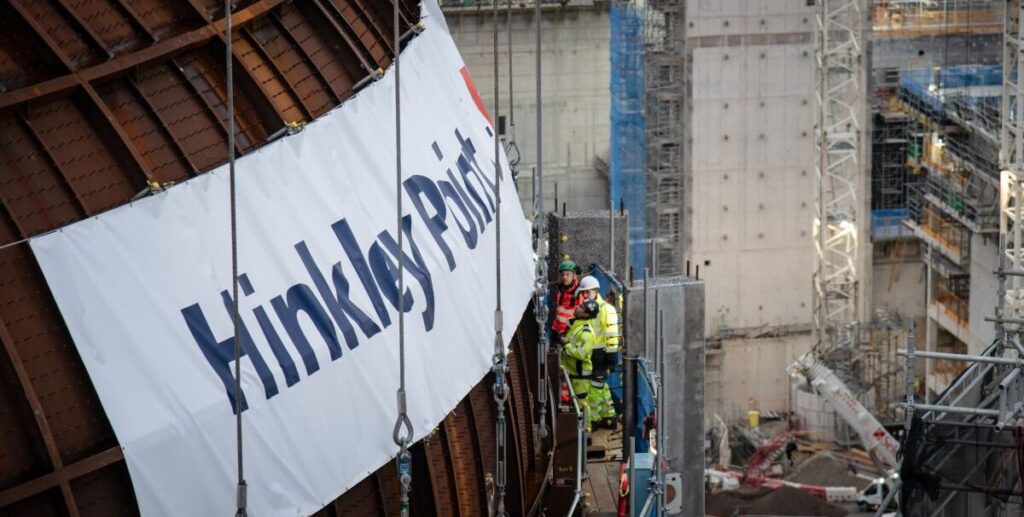
Our BIM consultants have built their experience on ambitious new builds and live nuclear sites, where an information error isn’t a minor inconvenience. That kind of project teaches you what actually matters in information management, which is why our BIM consultancy is shaped by people who’ve managed it under real conditions rather than in a classroom.
Turning theory into practice


Your partner in BIM consultancy
Talk to us about your project
We don’t only build models, we build the information behind them.
If you’re weighing up BIM consultancy for the first time, or your current approach isn’t keeping pace with the standard, we’re happy to talk it through.
Understanding BIM consultants
A BIM consultant is a specialist who sets information standards, checks that models from different disciplines work together, and manages data across a building’s life. They work between technical teams and business goals, so Building Information Modelling produces something an organisation can actually use.
BIM consultancy is the process of planning and applying Building Information Modelling, then supporting it through a project or organisation. It covers setting information standards, coordinating models between disciplines, managing project data through its lifecycle, and building longer term strategies for how information is used.
BIM services are the ongoing support that keeps Building Information Modelling working once it’s live. They include implementation planning and ISO 19650 compliant information management, alongside project data support and strategic advice, so an organisation’s BIM investment continues to earn its keep.
BIM is a requirement for centrally procured UK government construction projects, in place since April 2016. Many private clients now specify it too, following ISO 19650, so BIM consultancy has become standard practice across public and private sector construction work.
The main reason is cost. Poorly managed information leads to rework and mismatched handover paperwork, and it leaves facilities teams working from incomplete records years later. A BIM consultant is there to catch these problems early, when they’re still straightforward to fix.