Industries
→
Infrastructure & Transportation
Infrastructure engineering defines how people move, how goods flow, and how places operate. At Morson Praxis, we deliver infrastructure engineering design and consultancy across some of the UK’s most complex transport and civil programmes.
From rail and aviation to ports, highways, and the systems that support them, our work is grounded in performance, integration, and long-term value. We understand that infrastructure is not standalone, it must function as part of a wider, evolving network.
Our focus is simple, clear thinking, robust design, and solutions that work in practice as well as on paper.
-
Infrastructure & Transportation Industries ↓
- Aviation Engineering →
- Ports →
- Rail →
- Roads & Highway Infrastructure →
What sets us apart in infrastructure engineering
Experience
You're in safe hands
Four decades in infrastructure engineering gives us a clear view of where risk sits, which decisions matter most at each stage, and when a brief needs to be challenged rather than simply delivered.
Infrastructure does not operate in silos, and neither do we. Our capability spans civil and structural engineering, mechanical and electrical building services, BIM, systems integration, and digital capture. Bringing this expertise together in-house reduces handoffs, limits loss of context, and enables coordinated delivery across the full scope of a project.
Delivery
Practical by design
Every major programme carries risk. We identify it early and put practical responses in place. Risk management is treated as a live tool, not a compliance exercise. The same discipline underpins our use of digital capability. We work to ISO 19650 standards and deploy mobile mapping, scan-to-BIM, and remote inspection where they add measurable value.
Decisions around structural form, material selection, and drainage strategy define a project’s long-term carbon impact. We address them early, so that outcomes can be meaningfully shaped.
Our infrastructure engineering expertise
We work across aviation, ports, rail, and roads. Each sector has its own standards, its own regulators, and its own way of working. So do we.

Aviation
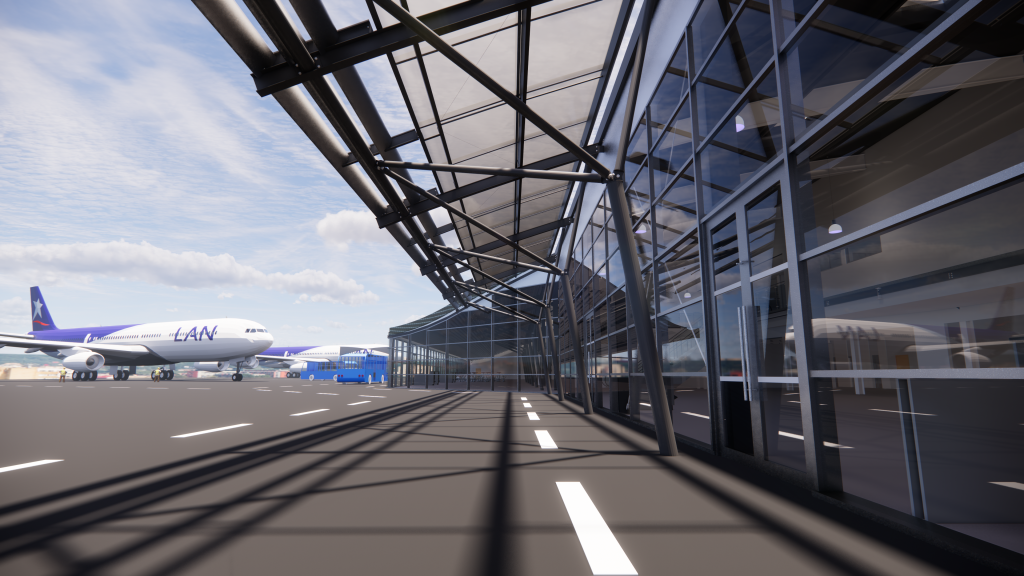
Airports operate continuously, with no margin for disruption to live operations. Our aviation infrastructure teams work across both airside and landside development: apron design, taxiway engineering, terminal expansions, and ground transport connections. Delivering in a live airport environment requires careful sequencing, close coordination with operations teams, and a clear understanding of how CAA regulatory requirements shape design from the earliest stages. We’ve worked in these environments before, and we know what that demands.

Ports
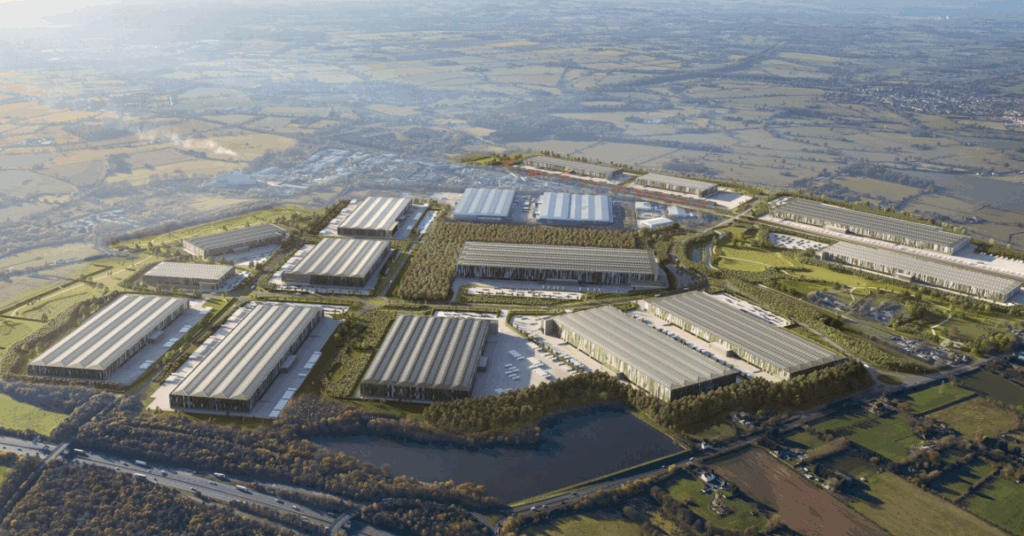
Ports handle high operational loads in demanding physical environments: tidal variation, marine exposure, heavy plant, and the logistics of construction where land meets water. Our ports teams bring structural and civil engineering expertise suited to those conditions, supporting clients from feasibility through to construction administration on facilities designed to perform reliably over long operational lives.

Rail
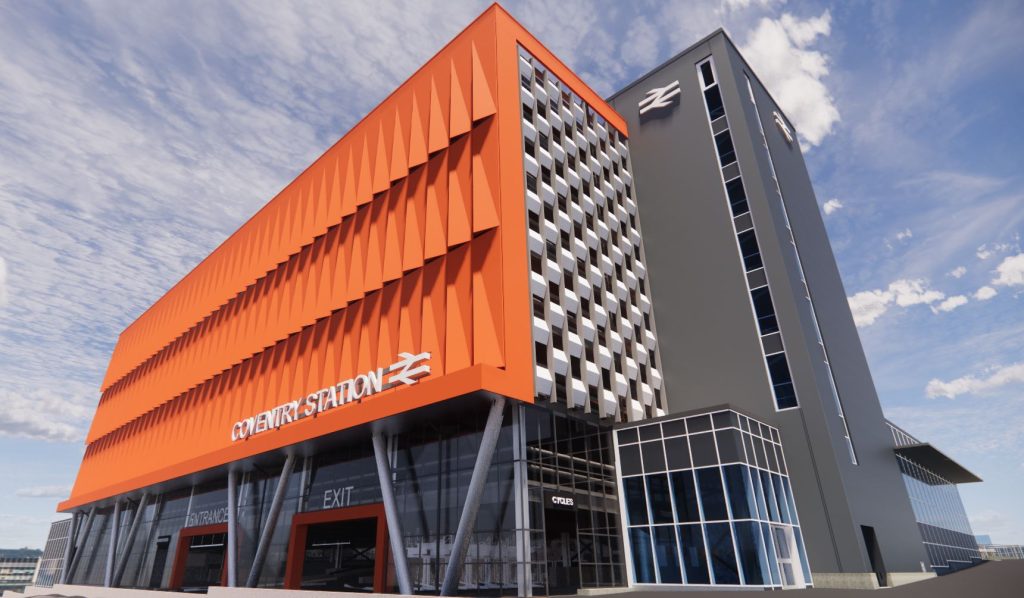
Rail infrastructure is one of the most tightly regulated environments in UK engineering. Network Rail standards aren’t a backdrop to the work; they’re built into it from the start. Our rail teams have worked across the network on signalling upgrades, electrical control systems, station redevelopments, and civils packages. Working within live railway environments, with all the access restrictions and safety requirements that entails, is familiar territory for us.
Roads & Highways
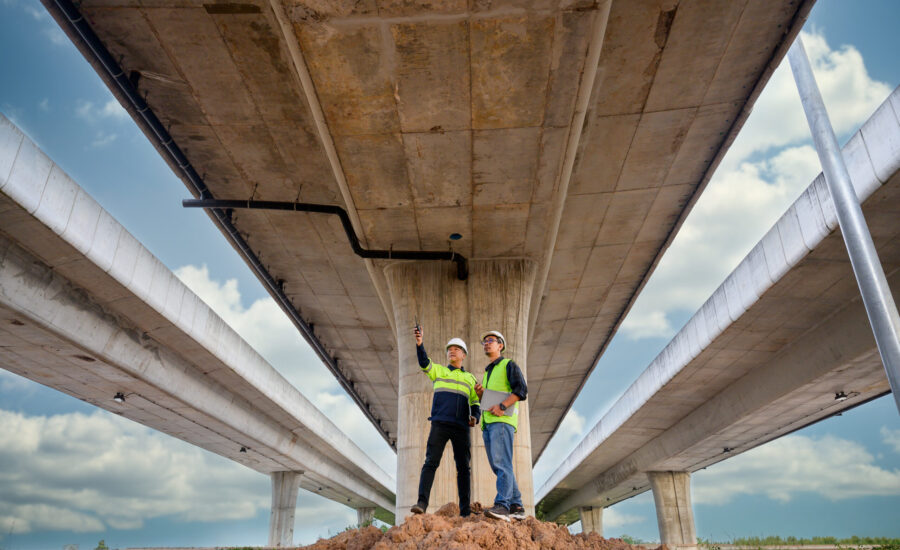
Roads carry the majority of freight and passenger movement in the UK, and the demands on the network are constant. Our highways teams support motorway improvement schemes, local network upgrades, and transport interchange projects, providing design, assessment, and project management to public sector clients and principal contractors. We work to National Highways’ design standards and understand the requirements of local highway authorities, navigating both when a project spans more than one jurisdiction.
How we support infrastructure engineering
Design, delivery, and asset management
Construction is the visible part of infrastructure engineering. It’s also a relatively short period in the life of an asset that may operate for fifty years or more. The work that happens before ground is broken, and the work that continues long after handover, is where a lot of the real value is created or lost.
We work with clients from initial optioneering and environmental assessment through to detailed design, construction administration, and handover. Keeping the same team involved across those stages isn’t just convenient; it protects the integrity of design intent as a project moves from concept to construction. Assumptions tested at feasibility don’t need to be re-examined at detailed design. Decisions made early are understood, not inherited.
Built infrastructure requires ongoing attention. Network Rail manages over 20,000 bridges and structures across the UK. Local authorities are responsible for tens of thousands of kilometres of road. Port operators run facilities where deterioration has direct safety and commercial consequences. The challenge of keeping pace with inspection, condition assessment, and maintenance planning is real and persistent.
Our asset management and digital capture services address it directly. Remote inspection, mobile mapping, and our Examination and Visualisation Environment (EVE) platform enable condition data to be gathered at greater frequency, at lower cost, and with less disruption to live operations than traditional methods allow. That data supports lifecycle planning that helps clients make better-informed decisions about where to spend maintenance budgets and where the risk lies.
ISO 19650 compliance is now a contractual expectation on most major public infrastructure programmes, and rightly so. The quality of information produced and managed during design has a direct bearing on whole-life asset performance. Our BIM consultancy teams support clients and delivery partners with implementation, project information management, and strategic information management across complex infrastructure work. We deliver BIM on live programmes; we don’t consult on it from a distance.
Turning theory into practice


Your partner in infrastructure engineering design and consultancy
Speak to our infrastructure engineering team
We work with public sector clients, principal contractors, and private infrastructure operators at every stage of the project lifecycle. If you’re developing a programme, looking for specialist input on a live project, or want to understand how our asset management services might apply to your portfolio, we’re straightforward to talk to.
Delivery done differently
Discover how our broad range of multi-disciplinary services support the infrastructure & transportation industry.
FAQs: Understanding infrastructure engineering
Infrastructure engineering is a branch of civil engineering that deals with the design, planning, construction, and maintenance of various infrastructure projects such as transportation systems, water supply, and distribution systems, waste management systems, and communication networks. The goal of infrastructure engineering is to create reliable, efficient, and sustainable systems that meet the needs of society.
An infrastructure engineer is responsible for designing, developing, and maintaining large-scale infrastructure projects. They work closely with project managers, architects, and other engineering professionals to ensure that infrastructure projects are completed on time, within budget, and to the required specifications. An infrastructure engineer may also be involved in conducting feasibility studies, preparing cost estimates, and evaluating the environmental impact of projects.
Infrastructure development includes a wide range of projects that provide essential services to society. Examples of infrastructure development projects include the construction of roads, bridges, and highways, the development of public transportation systems such as subways and trains, the building of water supply and distribution systems, and the installation of communication networks such as the internet and telephone systems.
Infrastructure projects play a crucial role in driving economic growth and development. They create jobs, boost productivity, and improve access to goods and services, including healthcare and education. Infrastructure investments, such as transportation systems, power grids, water and sanitation facilities, and communication networks, can increase trade, promote innovation, and foster social and economic inclusion. On the other hand, the lack of adequate infrastructure can hinder development, create bottlenecks and inefficiencies, and exacerbate inequality. Therefore, investing in well-planned and sustainable infrastructure projects is essential to support long-term economic growth and improve living standards, especially in developing countries.