16.10.2026
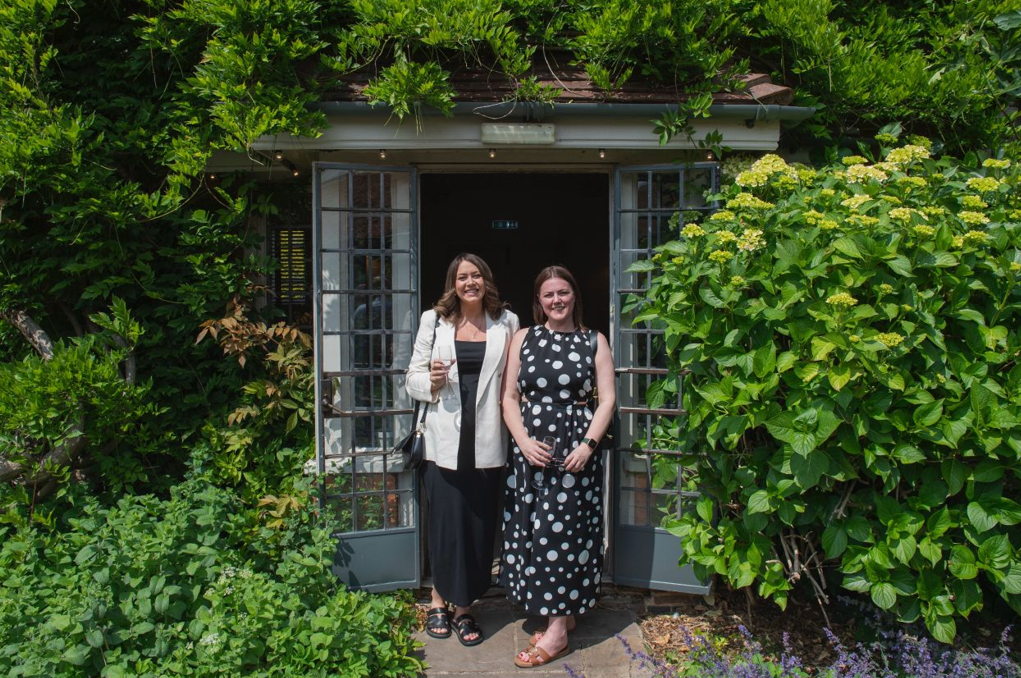
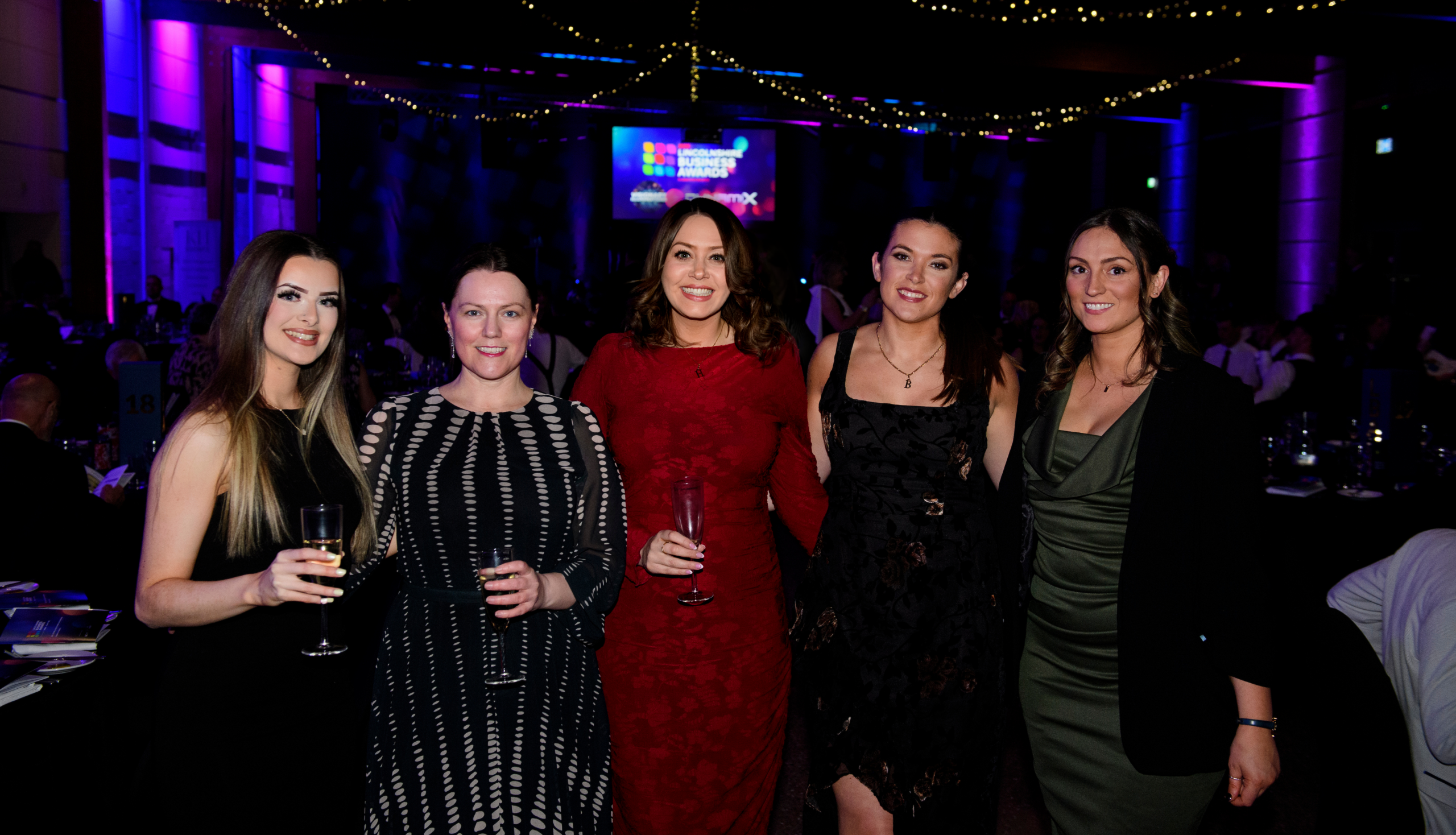
Following the recent Women in Construction in Lincolnshire Autumn Social, we caught up with Hannah Cook, Head of Marketing and Communications at Morson Praxis, to hear more about her career journey, the importance of professional networks and her thoughts on a construction industry where women can build long-term careers.
Hi Hannah! Please can you tell us a little about your current role at Morson Praxis and your career journey so far?
“Hi! I am currently the Head of Marketing and Communications at Morson Praxis, having previously joined the company (then Waldeck) as a Marketing Assistant back in 2015.
“My role is incredibly varied. I’m responsible for our overall marketing and communications strategy, from our brand and digital presence through to PR, campaigns, events, content, internal comms and supporting our teams with business development and client engagement.
“I’ve worked within the construction and engineering industry for more than ten years and came into the sector pretty much straight from university. I’ve spent the majority of my career working within Lincolnshire too, so I’ve been fortunate to grow my career alongside businesses and people within the local construction community.
“More recently, I’ve been closely involved in bringing our engineering businesses together under the Morson Praxis brand and defining how we communicate what makes us different as a consultancy. A big part of that has been our focus on the ‘Human Premium’ – the value created when you combine technology and technical capability with human expertise, experience and judgement.
“I’ve also recently returned from maternity leave, so this year has been an interesting new chapter for me personally and professionally!”
What education and professional qualifications have you obtained throughout your career?
“I’ve always believed in continuing to learn alongside gaining practical experience. I have a BA (Hons) degree and a Master’s degree in Marketing, and I’m also a Member of the Chartered Institute of Marketing (MCIM).
“My qualifications have given me a strong academic grounding in marketing strategy, but so much of what I know today has also come from working within the industry – understanding clients, working alongside technical experts and learning how marketing can genuinely contribute to the commercial direction of a business.”
How important has building a professional network been throughout your career, and have there been any people or mentors who have particularly influenced you?
“I think the key to a good network is, it isn’t simply about knowing lots of people. It’s the quality of the relationships you build, with the people you learn from, the people you can pick up the phone to, the people who challenge your thinking, introduce you to someone, recommend you for an opportunity or sometimes simply reassure you that you’re heading in the right direction – and now I’m really enjoying being in a position to give that back to the next generation of women in our industry.
“I’ve been fortunate to work with and learn from some brilliant people throughout my career, both within marketing and across the wider construction and engineering industry. I think you naturally collect different mentors along the way – sometimes formally, but more often they’re colleagues, managers and peers who influence how you think or give you confidence and direction at important points in your career.”
What do you think will shape the future of the construction industry?
“Technology will obviously play an enormous role. AI, automation, BIM, digital engineering, data, digital twins and increasingly sophisticated digital tools are already changing how we design, deliver and manage the built environment.
“But I actually think one of the biggest questions will be how effectively we combine that technology with people.
“The more capable our technology becomes, the more important skills such as judgement, curiosity, communication, collaboration and problem-solving become. Technology can give us more information, automate processes and help us work faster, but I do believe that the human element is so important to understand the context, ask the right questions and make intelligent decisions for the most successful outcome.
“I also think our ability to attract and retain talent will be hugely important. We need people with different experiences, perspectives and skills coming into the industry, but attracting them is only the beginning. We need to create an environment where people can see opportunities to develop, progress and build long-term careers.
“That is particularly important when we talk about women in construction. Success isn’t simply getting more women through the door; it’s making sure they want to stay.”
You mentioned the Human Premium. What does that mean to you, and why do you think it is becoming increasingly important in construction?
“For me, the Human Premium is about recognising what people uniquely bring to increasingly technology-enabled industries.
“We have access to incredibly sophisticated tools, and those tools are only going to become more capable. But technology on its own doesn’t understand every aspect of a client’s challenge. It doesn’t replace decades of experience, the ability to read a situation, build trust, challenge an assumption or know when something just ‘doesn’t feel right’.
“That combination of judgement, experience, curiosity, relationships and trust is the Human Premium.
“At Morson Praxis, we see technology as something that expands what capable people can do rather than something that diminishes their importance. Complex problems rarely have isolated solutions. They need technical expertise and technology, but they also need people who know how to bring those together and apply them in the right way.
“As technology advances, I think that distinctly human capability will become more valuable, not less.”
What advice would you give to a young woman considering a career in construction today?
“Just go for it and find your network early.
“Construction is such a broad industry, and I don’t think people outside it always appreciate the variety of careers available. You don’t have to follow one particular route or have a technical background to build a successful career within it.
“Be curious, ask questions and don’t be afraid to put yourself into situations where you don’t know everything yet. Some of the biggest opportunities in my career have come from learning as I go and working alongside people with completely different areas of expertise to my own.
“Importantly, I would say, remember that you don’t necessarily need to adapt yourself to fit a traditional idea of what somebody working in construction looks like. The industry needs different skills, experiences and perspectives if it’s going to continue to evolve. I am so lucky to work with incredible women who prove this every day.
“We often talk about attracting more women into construction, but the bigger ambition should be creating an industry where women can build long, successful careers. Like I said earlier, we can’t just invite women into the industry; we have to build an industry they want to stay in.”