08.10.2026
Some of the most complex engineering challenges aren’t solved by following an established process.
They require people who are willing to question assumptions, explore alternatives and keep asking whether there is a better way forward.
It’s an approach that Peter Cliffin has consistently demonstrated through his work on EDF’s Hinkley Point C project – and one which has seen him named the winner of our 2026 Curiosity Award.
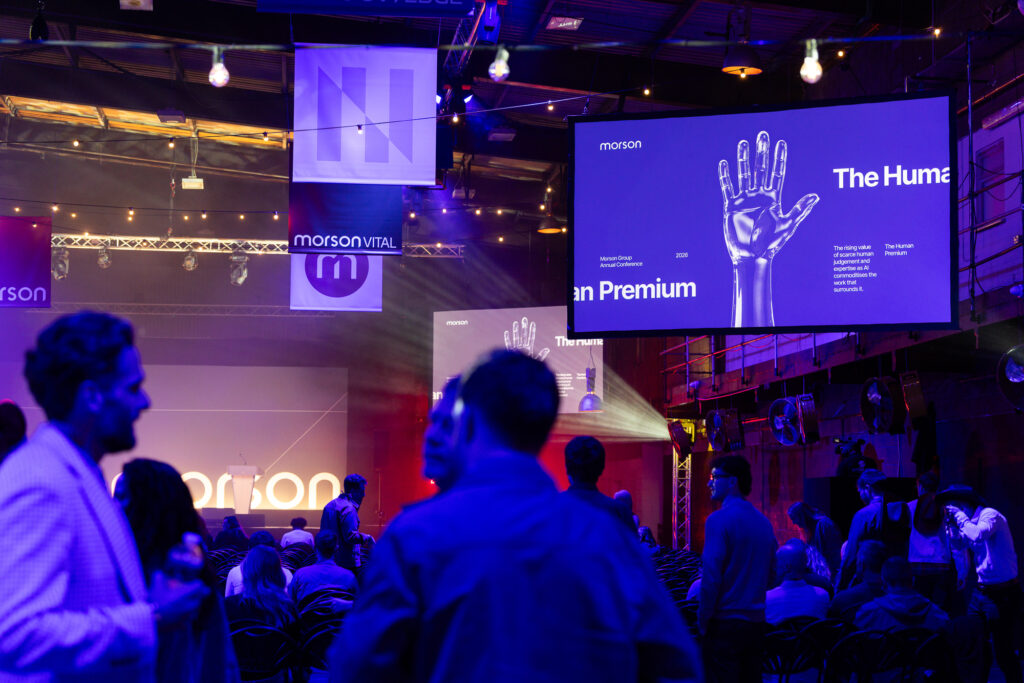
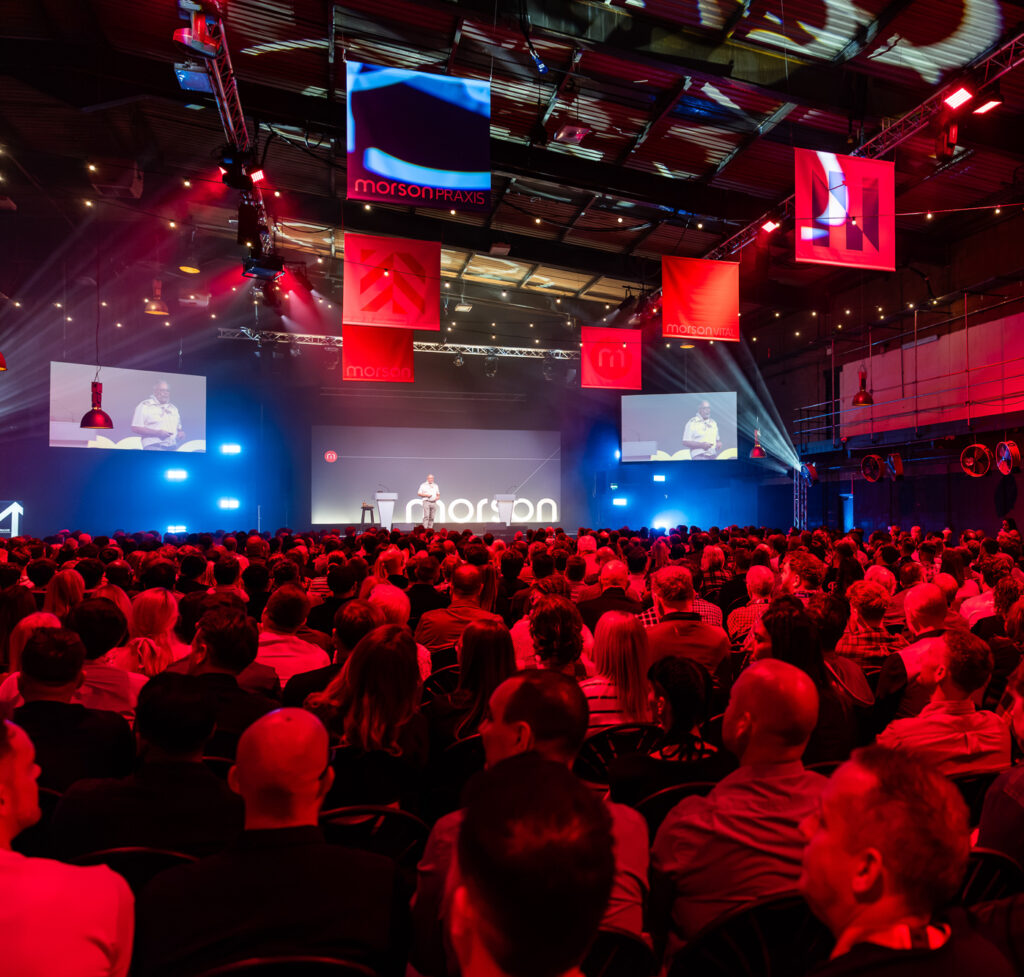
Pete was presented his award at our recent (Western themed!) Morson Group Conference:
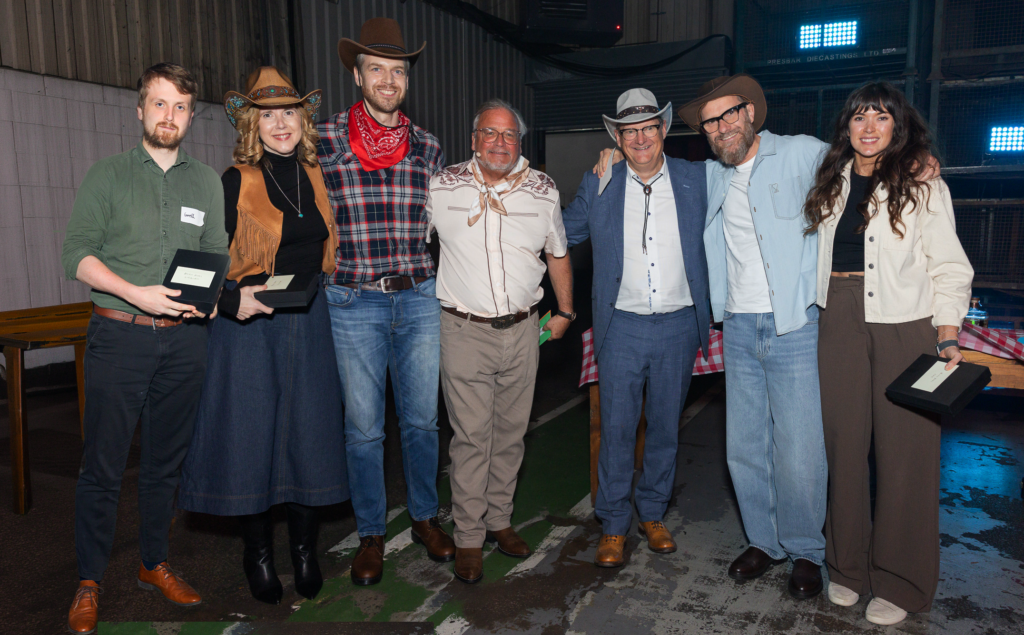
As a Technical Resolution Lead within the Joint Design Office, Pete regularly works on complex technical issues where the answer isn’t immediately obvious and existing processes don’t necessarily provide the solution.
His Morson Praxis colleagues have recognised his ability to approach those challenges with patience, technical insight and an openness to doing things differently.
Finding a practical way forward
Complex engineering programmes inevitably encounter challenges that require teams to balance multiple priorities.
Engineering rigour must be maintained. Construction teams need practical solutions. Established processes and requirements need to be understood, while sometimes also being challenged.
Pete’s ability to navigate that complexity was central to his nomination.
His colleague explained:
“His ability to patiently challenge assumptions, cut through blockers, and help people find a practical way forward has been invaluable.”
Rather than accepting that something cannot be done simply because the existing approach doesn’t accommodate it, Pete brings the technical understanding and curiosity needed to explore alternatives.
Turning curiosity into improvement
One of Pete’s key contributions has been supporting the development of the Civil Works Solutions catalogue.
His work has helped the catalogue evolve in a way that balances engineering rigour with the flexibility needed by construction teams.
That hasn’t always meant taking the easiest route.
Despite challenges and resistance, Pete continued working with others to move the initiative forward and help unlock wider benefits for the project.
He has also supported initiatives encouraging greater use of prefabrication and helped develop the procedures required to successfully implement those changes.
Together, these contributions demonstrate an important part of what Curiosity means at Morson Praxis.
It isn’t simply about asking questions for the sake of asking them. It’s about using technical expertise and judgement to challenge established thinking constructively – and then doing the work required to turn a different idea into a practical solution.
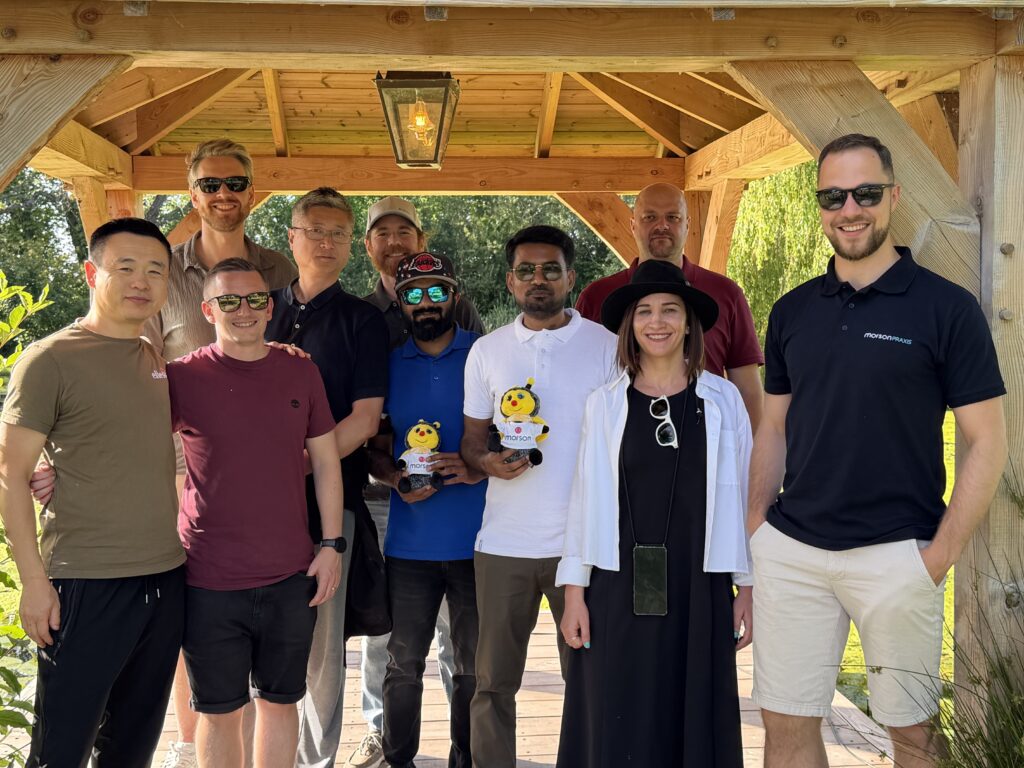
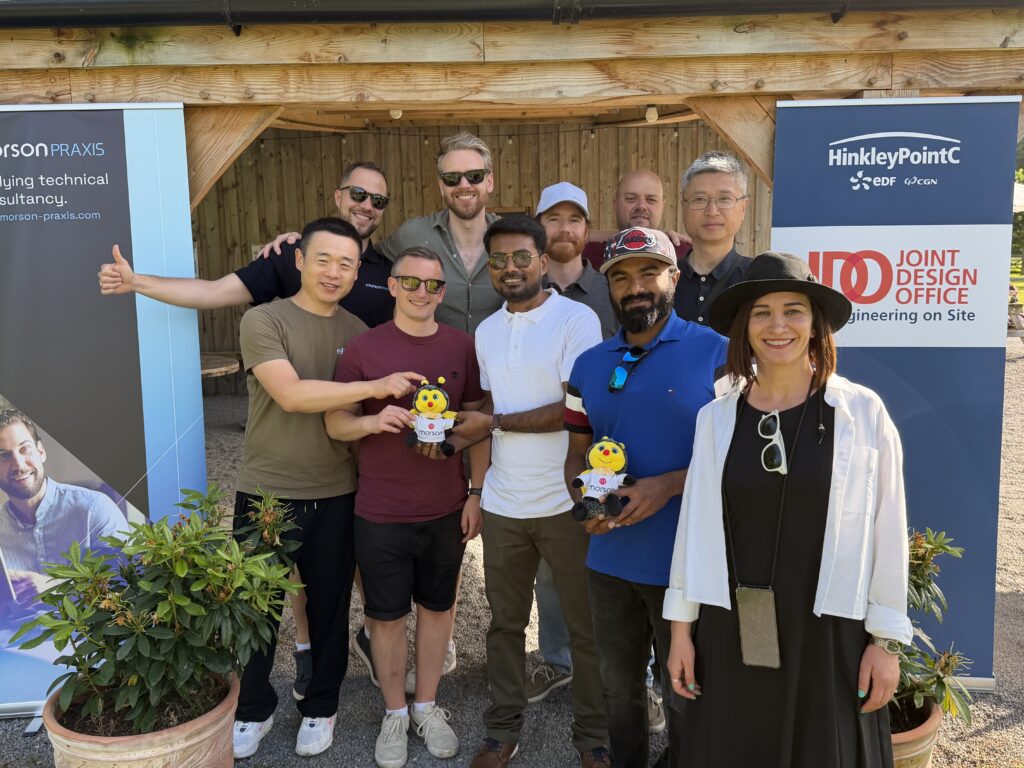
Pictured above: Pete with colleagues at a recent team event
Asking better questions
Across our work, curiosity helps us challenge assumptions, learn from different perspectives and continually improve the way we solve problems for our clients.
Pete’s contribution at Hinkley Point C is a strong example of what that looks like in practice.
His willingness to question, explore and persist has helped create solutions with a lasting impact on the project and the people working around him.
As his nomination recognised, Pete has been behind many of the “innovative and unconventional solutions” introduced for EDF on the Hinkley Point C project over the years.
Complex engineering challenges rarely come with straightforward answers.
Sometimes progress starts with having someone in the room willing to ask: Could we do this differently?
Congratulations, Pete, on being named our 2026 Curiosity Award winner.