Morson Group has reiterated its commitment to social mobility, STEM education and tackling skills gaps with an £800,000 funding pledge for the University of Salford that includes £250,000 for the new Ged Mason Centre for Assistive and Accessible Technology on the campus.
The investment represents an important extension of Morson’s commitment to social mobility and skills development, building on more than a decade of support for the University as part of a wider STEM-skills-focused social value investment programme. It includes an extension of funding for the Morson Maker Space, an open-access, high-tech digital fabrication and additive manufacturing hub on campus, designed to enable students to use equipment they would find in industry to progress their own projects. It also adds to scholarship programmes funded by Morson Group and the Mason family for more than a decade, which have so far enabled more than 65 students to study STEM disciplines at Salford, supporting them with funding, career opportunities and skills development programmes.
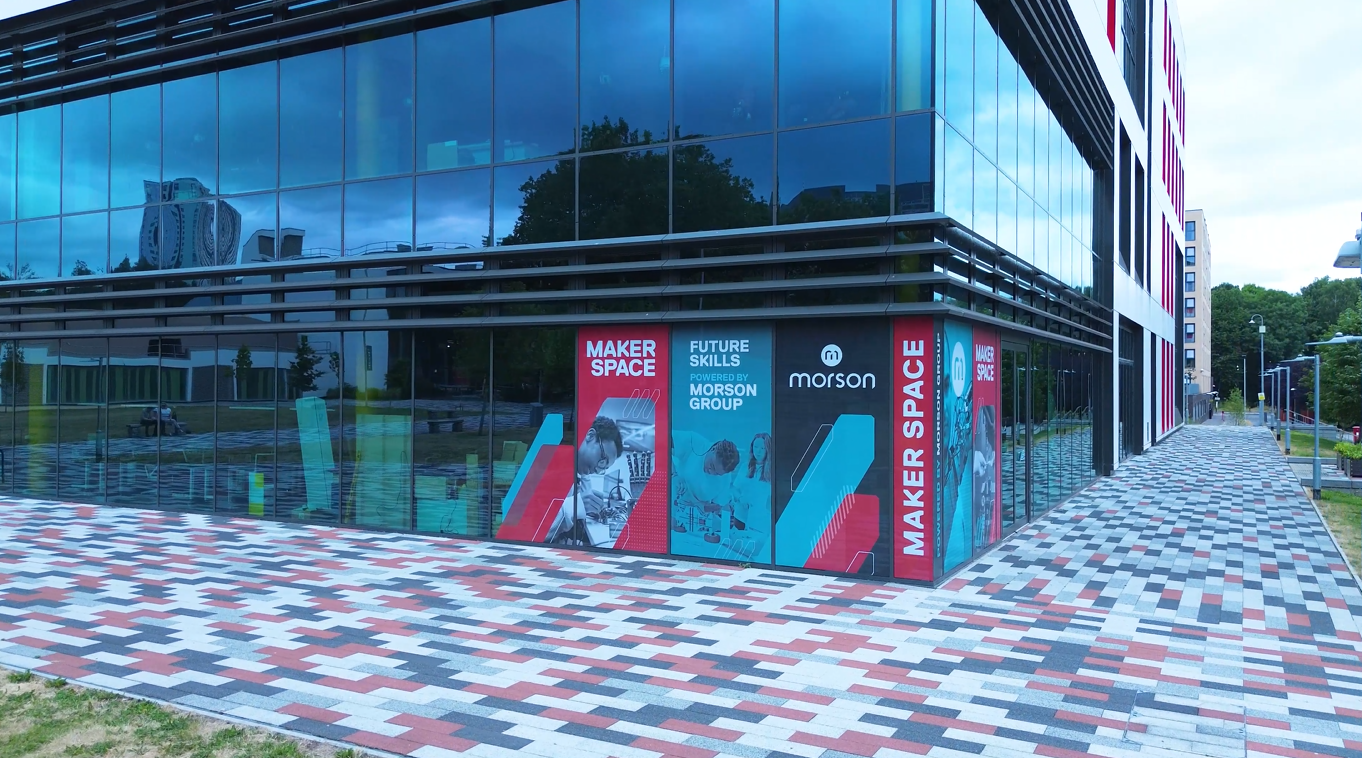
The existing Morson Maker Space at the University of Salford, as part of the decade long partnership with Morson and the Mason family
The latest investment marks a significant new chapter, extending Morson’s focus on improving outcomes for people from disadvantaged backgrounds to provide funding for a facility that aims to pioneer research and innovation in assistive and accessible technology (ATech) in order to help people with disabilities and neurodivergent conditions to access education and workplace environments.
Led by Professor Annalu Waller, Dean of the University’s School of Science, Engineering and Environment, the Centre will bring together academic expertise, disabled people and external partners to drive ATech innovation and help deliver greater digital inclusion across education, employment, health and social care.
The Ged Mason Centre for Assistive and Accessible Technology
The new Centre aims to improve understanding and use of accessibility features that are already built into mainstream technology and drive the development of more specialised access systems for people with complex disabilities. Alongside technological innovation, the Centre will focus on raising awareness of ATech, supporting professional training for educators and clinicians and evaluating the extent to which effective use of technology can improve educational and employment outcomes for disabled people.
For Ged Mason OBE, Executive Chairman of Morson Group, the new Centre is a natural progression of a partnership focused on connecting education with opportunity and ensuring industry can access the talent it needs for the future.
Ged Mason commented: “Our work with the University of Salford has already shown what can be achieved when industry and education work together for the long term. From scholarships and STEM outreach to the Maker Space, we have helped create opportunities for people to develop skills that are relevant to the world of work and to see careers that may previously have felt out of reach.
“Investing in assistive and accessible technology takes that commitment a step further. There is a huge pool of talent among people with disabilities and neurodivergent conditions, but too often barriers in education and the workplace can prevent individuals from reaching their full potential.
“Technology has an increasingly important role to play in breaking down those barriers and this Centre will gather insight, champion innovation, and shift the focus towards what disabled and neurodivergent people can achieve with the right ATech solutions.”
The Ged Mason Centre of Excellence for Assistive and Accessible Technology will address a significant and persistent challenge: the continuing underrepresentation of disabled people in the workplace. Government figures indicate that just 52.8% of working-age disabled people are in employment in the UK, compared with 82.5% of non-disabled people. Even among those with a degree or equivalent qualification, disabled people remain around 11.5% less likely to be in employment.
“For employers facing significant skills shortages,” Ged continued, “the barriers disabled people continue to face in accessing education and careers also mean that a substantial pool of talent remains underutilised. I have seen many who use assistive technology, especially at Seashell Trust. Having seen it in use, I know how the right technology can enhance an individual’s ability to participate and fulfil their potential.”
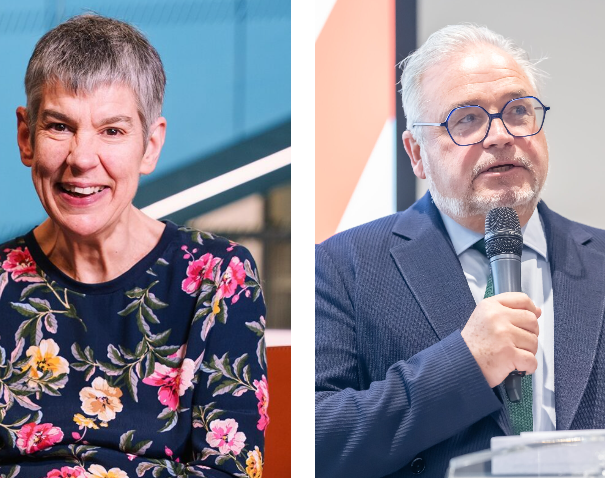
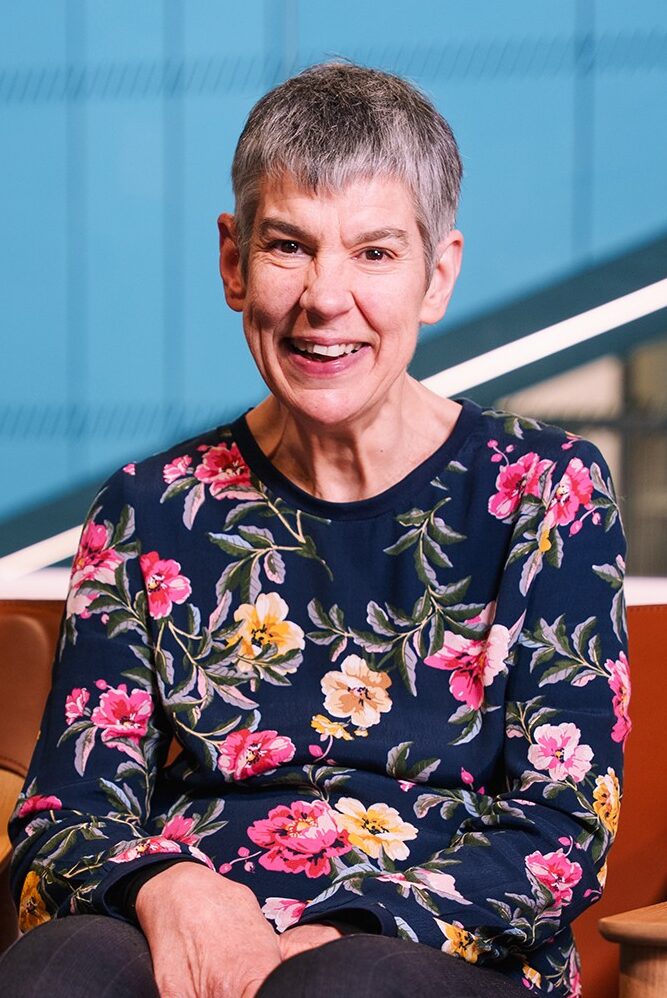
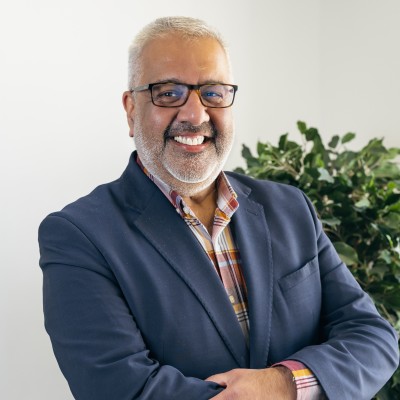
Professor Annalu Waller, Dean of the University of Salford’s School of Science, Engineering and EnvironmentGed Mason OBE, Executive Chairman of Morson Group and donor to the University of Salford’s STEM Foundation programme
The Centre will be led by the Dean of the University of Salford’s Faculty of Science, Engineering and Environment, Professor Annalu Waller, who was born with cerebral palsy and is a wheelchair user. Her academic expertise in assistive technology is underpinned by a commitment to ensuring accessibility is embedded into the way people learn, work and live, rather than treated as an add-on.
Professor Annalu Waller said: “ATech has the potential to transform what is possible for disabled and neurodivergent people, but technology alone is not enough. We also need greater awareness, professional knowledge and a much better understanding of how technology can be embedded effectively across education, employment, health and social care.
“The Ged Mason Centre of Excellence for Assistive and Accessible Technology gives us an opportunity to bring together the expertise, partnerships and lived experience needed to address those challenges. We want to drive innovation, but also ensure that existing and emerging technologies translate into meaningful improvements in people’s lives, from educational attainment through to employment and greater independence.
“Morson’s support gives us the opportunity to consolidate the University’s expertise in this field and build something with the potential to make a lasting difference. Our shared ambition is to put accessibility at the heart of innovation and demonstrate how greater digital inclusion can benefit individuals, employers and society as a whole.”
Our business is defined, not by what we gain, but by what we give back. Find out more about our charity and community work here