Industries
→ Marine
→
Submarines & Underwater Systems
Submarine engineering sits at a point where naval architecture, nuclear propulsion, structural mechanics and safety assurance all have to work together. We support the design, analysis and delivery of subsea platforms and underwater systems across the full programme lifecycle. Our teams include former submariners, nuclear propulsion engineers, naval architects and safety specialists, people who’ve worked on some of the most complex platforms in UK defence.
Speak to our submarine engineering team
What sets us apart in submarine engineering
Former submariners work directly inside our technical and assurance teams. They bring operational context to design decisions, risk assessments and systems integration work that no amount of desk-based study can replicate. Alongside them are nuclear propulsion engineers, naval architects and safety specialists. The combination means we understand the platform as a whole, not just the discipline we happen to be working in.
We work across the full submarine lifecycle: concept design, structural assessment, safety case development and in-service support. Government clients, prime contractors and tier-two suppliers engage us at different stages and at different scales. The brief changes; the approach doesn’t. We integrate with your programme structure and bring the technical depth the work needs, without the overhead of a larger organisation.
Platform integrity under pressure
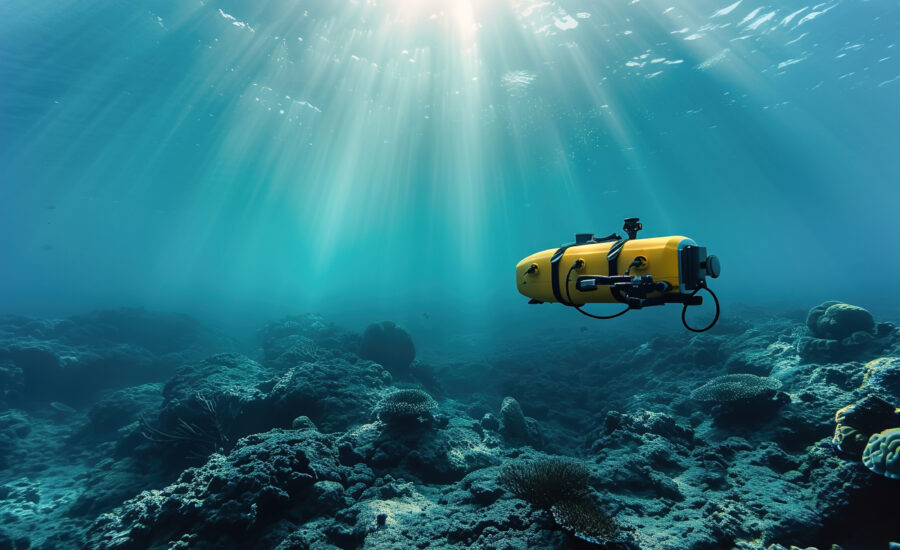
Structural analysis and naval architecture for subsea systems
A submarine hull must perform under hydrostatic pressure, shock loading, thermal cycling and corrosion, often for 30 years or more. Our naval architecture and structural assessment work covers materials selection, corrosion analysis, hydrodynamics and signatures management. These decisions have long tails. Getting them right at the design stage is far less costly than revisiting them once a platform is in build.
Safety-critical by design
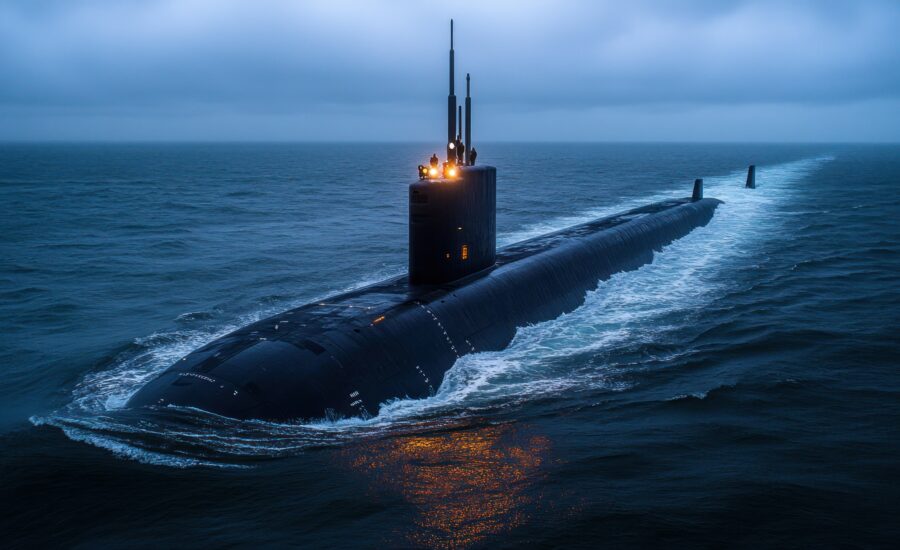
EC&I integration and software for nuclear submarine programmes
EC&I work on nuclear submarine platforms sits under some of the tightest regulatory scrutiny in UK engineering. Our teams support integration, shock analysis and software development within the frameworks that naval clients and the Office for Nuclear Regulation require. Our Belfast-based software engineers have developed power plant control systems for the Dreadnought programme since 2016, meeting safety-critical, operational and user requirements through every phase.
People behind the engineering
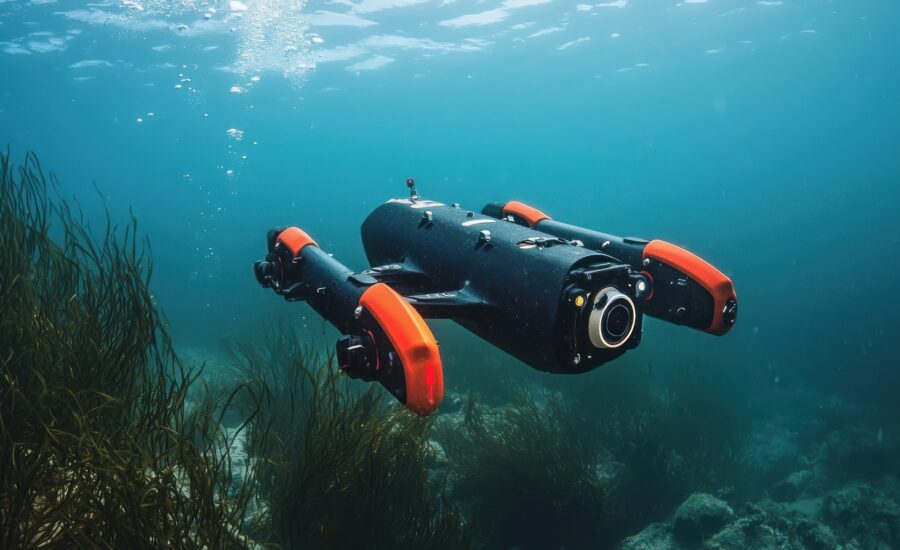
Human factors and assurance across the submarine programme lifecycle
Submarines are operated by people in confined, high-pressure environments where interface design and cognitive load have direct safety implications. Human factors engineering and training needs analysis are part of our approach from the outset. Safety assurance and regulatory navigation run alongside technical delivery throughout. Not as a separate workstream, but as work that’s embedded in every stage of the programme.
Submarine engineering in practice
BAE Systems, Dreadnought Submarine Power Plant Controls
Assembled a dedicated team of highly experienced software engineers to develop the control software of the plant.
View ProjectWe’re a ship design consultancy working across naval architecture, structural analysis, systems integration and classification approval. Our engineers have delivered surface vessel programmes for commercial, offshore and defence clients, and that range of experience shapes how we approach each new project. Hull design decisions taken at concept stage affect build cost, classification risk and operational performance for decades. We think about all of it from the start.
FAQs: Understanding submarine engineering
Frequently asked questions (FAQs) about submarine engineering and underwater systems.
Submarine engineering is the discipline of designing, building and supporting underwater vessels and their systems. It covers structural design, nuclear propulsion, electrical and control systems, safety assurance and hydrodynamics. The field spans military submarines and the broader category of underwater systems, from autonomous underwater vehicles to the subsea infrastructure used in offshore energy and defence applications.
Subsea engineering services are design and consultancy services that support underwater platforms, pipelines and systems. The work covers structural analysis, materials performance, systems integration and safety assurance. What makes subsea engineering distinct is the operating environment: sustained pressure, restricted access, corrosion and the requirement for reliability over long periods without the option of straightforward inspection or repair.
Subsea systems is a term most commonly used in offshore energy to describe seabed infrastructure: pipelines, wellheads and intervention equipment. Underwater systems is broader, covering military platforms, autonomous vehicles and defence subsea infrastructure. The engineering disciplines overlap considerably, particularly in structural analysis, pressure vessel design and systems integration, and specialists often move between the two sectors.
Submarine engineers are typically qualified in mechanical, electrical, naval or nuclear engineering, often to chartered level. Relevant professional bodies include the Royal Institution of Naval Architects and the Institution of Engineering and Technology. Work on UK defence submarine programmes additionally requires security clearance and familiarity with MOD standards and Office for Nuclear Regulation requirements, particularly for safety-critical system development.
Submarine engineering programmes are among the longest-running in the defence sector. A nuclear submarine new-build typically spans several decades, from concept design to operational deployment. The Dreadnought programme is expected to deliver its first boat in the early 2030s, with engineering activity running continuously since 2016. In-service support extends the commitment well beyond that.