Industries
→
Waste & Utilities
Waste management consultancy is a core part of our practice. We work with local authorities, waste operators, infrastructure developers, and private sector clients across the full lifecycle of complex waste and utilities projects, from design and environmental compliance through to permitting, asset management, and delivery.
These projects demand integration across civil, structural, mechanical, environmental, and commercial disciplines. Our role is to bring those elements together into a coherent, deliverable solution that works in practice as well as on paper.
-
Waste & Utilities Industries ↓
- Recycling & Renewables →
- Telecom Infrastructure →
- Water Infrastructure →
What sets us apart in waste management consultancy?
Our approach
Integrated thinking from day one
We’ve delivered a broad range of projects across varying site types to understand where the real risks sit, how to surface them early, and how to manage them without over-engineering the response.
That also means knowing when to challenge the brief, whether it’s an unrealistic budget assumption, a programme that hasn’t accounted for permitting lead times, or a design approach that doesn’t reflect operational reality. When engineering disciplines are worked in isolation, the gaps between them are where problems emerge. We bring these disciplines together from the outset, reducing coordination risk and giving a clearer view of true project cost.
Our assessments balance capital expenditure with lifecycle maintenance, operational efficiency, and the cost of failure. And when it comes to delivery, we produce method statements and risk assessments tailored to the specific site, because live waste and utilities environments carry hazards that generic documentation simply doesn’t address.
Our waste management consultancy expertise
Our expertise across waste and utilities covers three core areas, each underpinned by the same integrated approach.
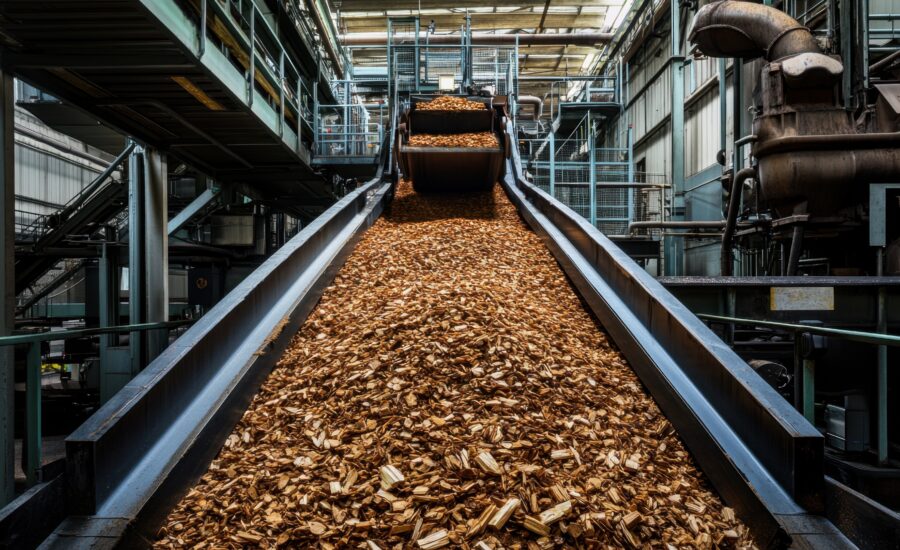
Recycling & Renewables
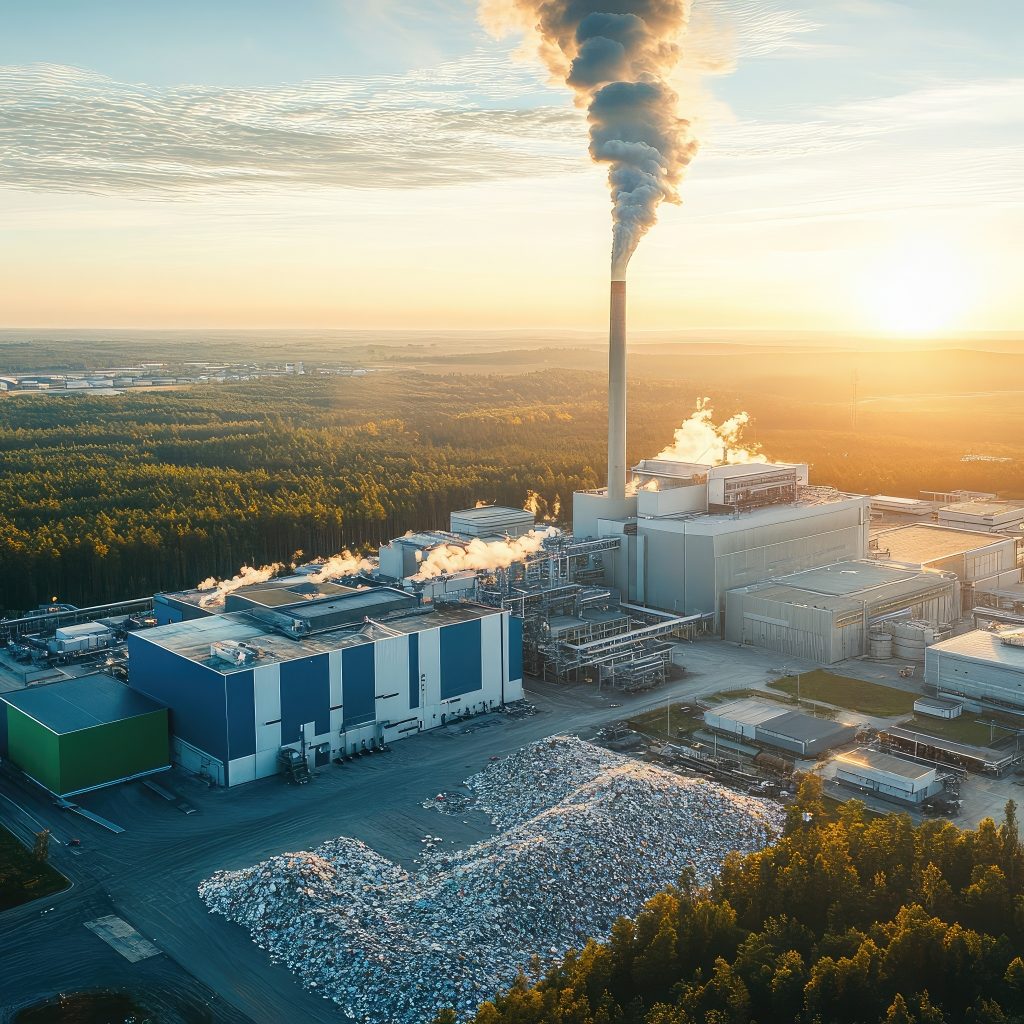
Energy from waste, anaerobic digestion, and materials recovery facilities are no longer straightforward infrastructure projects. We work across all disciplines, supporting clients from initial feasibility through to commissioning, and we’re familiar with the planning and permitting requirements these facilities attract, which tend to be more demanding than standard industrial development.

Telecoms
The UK’s telecoms infrastructure carries the same ground risks and co-ordination demands as any other buried infrastructure. We provide consultancy across network rollout projects: ducting design, above and below-ground works co-ordination, and delivery management in urban and rural environments where interfaces with existing utilities are frequent and the consequences of errors are immediate.
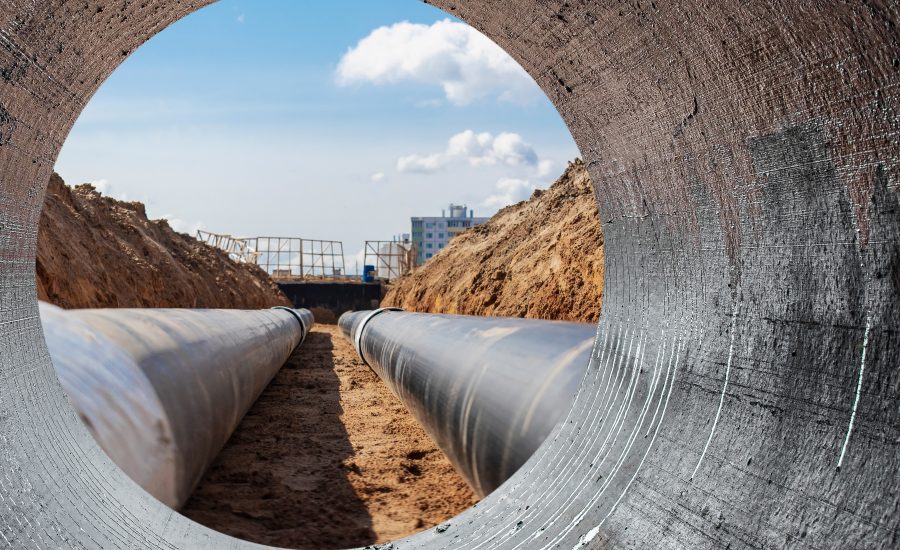
Water
We provide consultancy across treatment works, pumping stations, and distribution network design, including Sustainable Drainage Systems (SuDS) where managing surface water at source has become a planning requirement rather than an option. We understand the regulatory and commercial environment the UK water sector operates in, and we design accordingly.
How we support waste & utilities
What good waste management consultancy services deliver
The difference between adequate consultancy and useful consultancy usually isn’t visible in the fee proposal. It shows up later, in planning decisions, on site, and in the first few years of operation.
Groundwater protection, containment, and drainage aren’t compliance tasks to be managed around. They’re engineering decisions with long-term consequences. We treat pollution risk as a design variable: something to be identified, quantified, and resolved through the technical work, not documented after the fact.
We use BIM across our waste and utilities projects to produce asset data that’s genuinely useful beyond handover. Operational teams receive a model that reflects what was built, with maintenance schedules, asset registers, and spatial data that supports management decisions for the life of the asset. That’s a different proposition to a set of as-built drawings filed in a folder.
Reducing embodied carbon and reducing whole-life cost often point in the same direction. The choice of materials, the configuration of a process system, the design of a drainage strategy: these decisions carry both a carbon implication and a cost implication. We make those connections explicitly, and we can support them with data.
Turning theory into practice
Your partner in waste & utilities
Speak to our waste management consultancy team
We work best when we’re involved early. A short conversation at feasibility stage usually surfaces things that matter, and it costs nothing to have it. If you have a project in waste or utilities at any stage, get in touch.
Delivery done differently
Discover how our broad range of multi-disciplinary services support the waste & utilities industry.
FAQs: Understanding waste management consultancy
Waste management is the process of collecting, transporting, treating, and disposing of waste materials in a manner that is safe for the environment and human health. The goal of waste management is to reduce the impact of waste on the environment, conserve natural resources, and promote sustainability. Waste management includes various activities such as waste reduction, reuse, and recycling, as well as the disposal of waste in designated landfill sites or through incineration. Effective waste management requires the development of waste infrastructure, including facilities for waste treatment and disposal, as well as policies and regulations that govern waste management practices.
There are several types of waste management approaches that aim to reduce the impact of waste on the environment and human health. One of the most common types is landfill, where waste is buried in designated areas. Another type is incineration, where waste is burned to produce energy. Recycling is also a popular waste management approach that involves transforming waste materials into new products. Additionally, composting is another type of waste management that involves the decomposition of organic waste materials into a nutrient-rich soil conditioner. Other waste management techniques include source reduction, which aims to reduce the amount of waste generated, and waste-to-energy, which involves converting waste into energy.
The principles of waste management aim to reduce the amount of waste generated, maximise the use of resources, and minimise the negative impact of waste on the environment and human health. The first principle is the waste hierarchy, which prioritises waste reduction, reuse, and recycling over landfilling or incineration. The second principle is the polluter pays principle, which holds polluting entities responsible for the costs of managing their waste. The third principle is the precautionary principle, which encourages taking action to prevent harm even in the absence of conclusive scientific evidence. Finally, the cradle-to-cradle principle promotes the use of materials that can be recycled or biodegraded at the end of their life cycle.