29.04.2026
There’s a moment when an industry stops debating and starts delivering. The Nuclear Strategy event in Manchester felt like that moment.
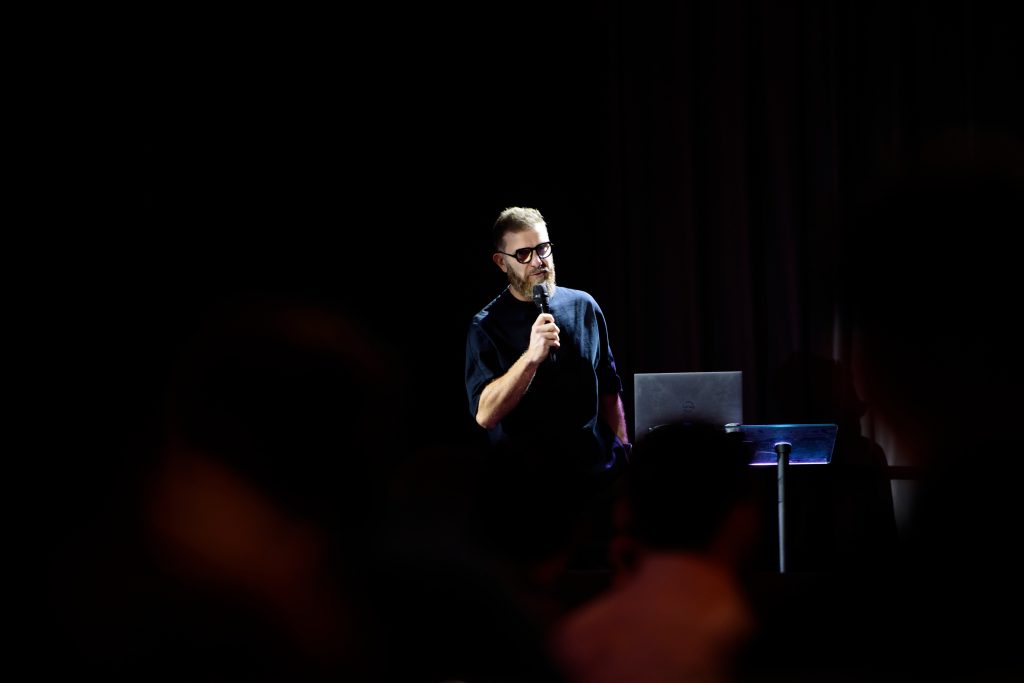
Hosted at the Bridgewater Hall in Manchester on 28 April by Hannah Vaughan Jones, the event was a high level, commercially focused conference bringing together leaders from across UK nuclear, from reactor developers to the wider nuclear supply chain to discuss national policy, regulatory direction, innovation and crucially – delivery.
The role is clear and the urgency is clear
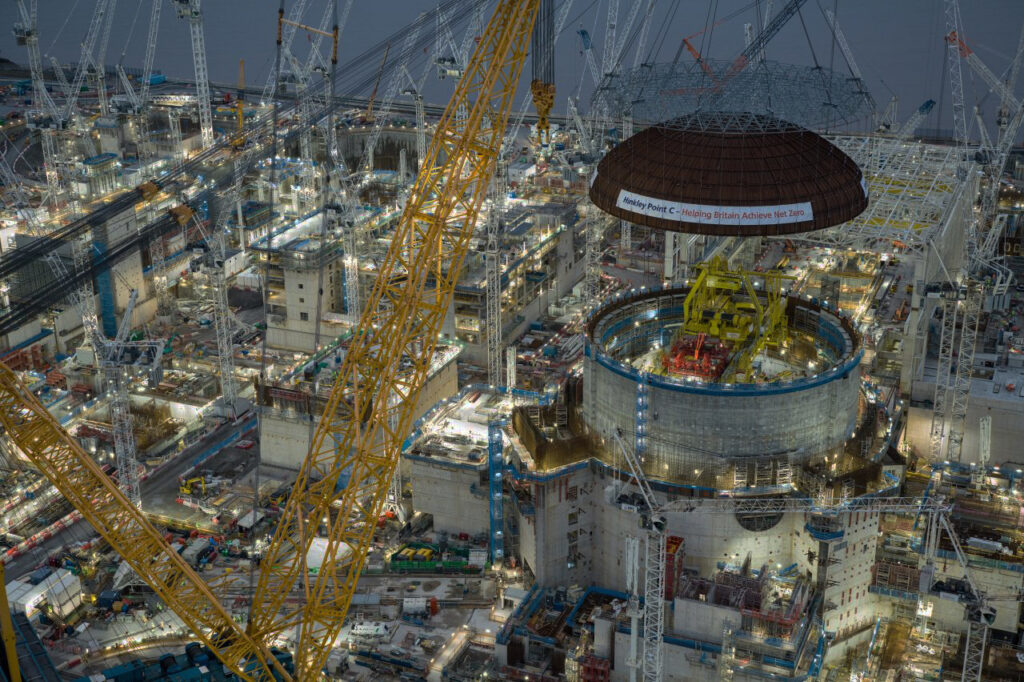
The civil nuclear resurgence in the UK is well documented. Key developments include the continued progress of Hinkley Point C, a £14.2 billion investment commitment for Sizewell C and advances in SRM technology.
For years, the UK nuclear conversation has been shaped by policy cycles, funding debates, and long-term ambition. These are necessary, but can often slow down the process.
Now, the centre of gravity is shifting to execution. Less “what if”, more “what next”, and crucially, “who is going to do it.”.
Nuclear’s position in the UK energy mix isn’t up for debate anymore. Nuclear sits right in the middle of energy security, net zero and grid stability.
What came through strongly at the event is that this is no longer framed as a future option. It’s current infrastructure. It needs to work and scale at pace.
SMRs are a big part of that story. Not as a concept, but as a route to faster deployment, repeatability, and a more flexible build model. But technology isn’t the constraint.
Delivery is a people problem
Several themes came up at the event repeatedly: Skills. Capability. Capacity. The UK has decades of deep nuclear expertise. From existing fleet operations through to new build programmes like Sizewell C. But the challenge isn’t just depth. It’s continuity. With an ageing workforce in key disciplines, instense competition from adjacent sectors and a need to scale quickly without diluting quality, you can’t deliver a new generation of nuclear projects on legacy workforce models. And with ambitious UK energy targets, you can’t wait ten years for the pipeline to catch up.
Collaboration is no longer optional
Another clear shift became clear: silos are breaking down. Government, operators, supply chain are aligned more tightly than at any other time. Programmes are too complex, too interdependent, and too time-sensitive to operate in isolation. Delivery now depends on how well these parts connect. That includes how strategy translates into people on the ground. Because nuclear projects don’t fail on vision. They fail on execution gaps.
Where this lands
If you strip it back, the challenge is simple. The UK knows what it wants from nuclear. The question is whether it can mobilise fast enough to deliver it. That comes down to three things:
- Access to the right skills at the right time
- Flexibility in how those skills are deployed
- Consistency in building a workforce that lasts beyond a single project
This is where talent becomes critical infrastructure. Not a support function. Not a downstream activity. A core part of delivery.
At Morson, that’s exactly where we operate. Connecting engineering capability with the talent needed to keep programmes moving, whether that’s scaling up quickly or sustaining delivery over the long term.
Andy Hassall, Director at Morson Praxis, commented on the event
“Reflecting on yesterday’s Nuclear Strategy event, what really stayed with me was the collective shift in mindset across the sector. The conversations weren’t hypothetical or distant, they were grounded, practical, and focused on delivery.
There’s a growing sense that the UK has both the intent and the capability to move faster, provided we continue to align policy, engineering expertise, and the right people. Skills and talent came up repeatedly, and rightly so, because delivery at pace will ultimately be defined by the depth, flexibility, and sustainability of the workforce we build now.
It’s encouraging to see increasing collaboration across government, operators, and the supply chain, and a shared understanding that execution will depend on how well we connect strategy to people on the ground.
Moments like this reinforce why working at the intersection of engineering capability and talent delivery matters—and why the next few years will be critical for turning ambition into reality.”
Morson Edge is the workforce partner focused on sourcing, deploying and managing nuclear talent at scale. We supply specialist nuclear talent across the full project lifecycle, from early design and safety case development through to commissioning and handover. We support both new build and existing fleet programmes, including life extension, asset care and safety upgrades, providing access to a large, established nuclear skills network, covering contract and permanent roles across engineering, project management and technical disciplines.
Morson Praxis is a consultancy partner focused on delivering engineering solutions and project outcomes within nuclear programmes. We provide engineering and technical consultancy across nuclear programmes, including design, build, commissioning and decommissioning, with multi-disciplinary teams (engineering, digital, systems) delivering turnkey project outcomes or augment client delivery capability.