03.12.2025
Estimated Reading Time: 7 minutes
Key Takeaways
- High upfront costs remain the most significant barrier to heat pump adoption, with commercial ground source systems costing £1,600–£2,000 per kilowatt.
- Many buildings need insulation upgrades before heat pumps can operate efficiently.
- Electrical infrastructure limitations often add unexpected complexity and expense.
- Cold weather performance and Legionella prevention requirements create operational challenges for facility managers.
- Space constraints, noise and planning permission present practical hurdles you’ll need to address.
- A nationwide skills shortage and supply chain issues can extend installation timelines.
Heat pumps have become central to the UK’s decarbonisation strategy. The government aims to install 600,000 every year by 2028. For facility managers responsible for commercial buildings, the pressure to move away from fossil fuel heating is growing.
But are heat pumps right for every building? Not necessarily.
Heat pumps offer clear environmental benefits and can reduce long-term running costs. However, they come with challenges that you need to understand before committing. This article explores the disadvantages you should consider.
High Upfront Costs Remain a Major Barrier
The most immediate challenge? Cost. Commercial heat pump installations require significant capital investment, with costs varying based on system type, building size and complexity.
Commercial Heat Pump Cost Indicators
| Heat Pump Type | Cost Indicator | Key Considerations |
| Ground source | £1,600–£2,000 per kW | Requires land for pipework or boreholes |
| Air source | Lower than ground source | Easier installation, but may need multiple units for larger buildings |
| Hybrid systems | Heat pump plus boiler costs | Suitable for buildings with high heating demands |
The Boiler Upgrade Scheme offers up to £7,500 towards the cost of installation for eligible properties in England and Wales. That helps, but it often falls short when you factor in the additional work many buildings need. The scheme applies to homes and small non-domestic buildings, so larger commercial properties may not qualify.
For context on the broader challenge, the Committee on Climate Change has estimated that switching each UK home to a low-carbon heating system costs an average of £26,000. Commercial buildings with greater heating demands typically face higher costs.
So what does this mean for you? You’ll need to build a thorough cost-benefit analysis that weighs long-term energy savings against the upfront investment. Get detailed quotes from MCS-accredited installers before making any decisions.
Your Building Might Need Upgrades First
Heat pumps work best in buildings with good thermal performance. Here’s why that matters.
Traditional gas boilers circulate water at around 70°C. Most heat pumps only reach about 50°C. This lower temperature means poorly insulated buildings struggle to stay warm without consuming excessive energy.
Research from the DEEP project, which tested insulation retrofits on older UK houses, including the Salford Energy House test facility, found that solid wall insulation can achieve reductions of 19%-55% in heat loss. However, this intervention typically costs in excess of £15,000 and carries risks of condensation, mould and summer overheating. The same research found that payback times for comprehensive retrofits often extend to many decades.
What preparatory work might your building need?
- Enhanced wall, roof or floor insulation.
- Larger radiators: retrofitting typically demands radiators 30–50% larger than existing ones.
- Upgraded heating distribution systems.
- Improved glazing.
- Draught-proofing throughout.
For commercial properties, poor insulation creates a real obstacle. You must factor these costs into your budget before the heat pump itself is considered.
Electrical Infrastructure Can Complicate Matters
Commercial heat pumps draw substantial power, especially during startup. Many installations need a three-phase electrical supply to accommodate this demand. Your building might not have this in place.
Local distribution network operators can sometimes provide upgrades. But capacity isn’t always available in every area, and the costs can be high. In some cases, electrical limitations make heat pump installation financially unworkable.
Start conversations with your Distribution Network Operator early. Understand what modifications you’ll need and build potential delays into your timeline. This is particularly important if your project is tied to specific funding deadlines.
Cold Weather Performance and Legionella Risks
Modern heat pumps perform well in cold conditions. Research has found that heat pumps maintain near-maximum efficiency at temperatures as low as -6°C and continue operating even at -20°C. However, performance does drop during prolonged cold spells. For buildings in regions with harsh winters, this could mean higher energy use precisely when you need heating most.
A more pressing concern for commercial and healthcare buildings is Legionella prevention. Heat pumps typically produce hot water below 60°C, which is the minimum recommended temperature for controlling Legionella bacteria in stored hot water systems.
Heat Pump Output vs Legionella Prevention Requirements
| Requirement | Temperature | Implication for Heat Pumps |
| Typical heat pump water output | Around 50°C | Standard operation |
| Legionella prevention in stored hot water | 60°C minimum | May require supplementary heating |
This temperature gap creates a potential health and safety issue, particularly in healthcare settings. You may need hybrid solutions or electrical immersion elements to ensure compliance, which can add complexity and cost to your system design.
Space, Noise and Planning Permission
Where will the heat pump actually go? This question catches many facility managers off guard.
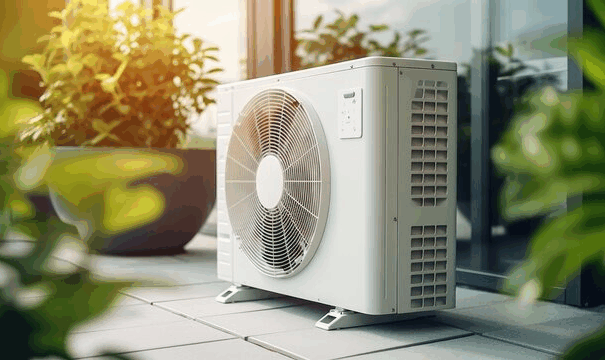
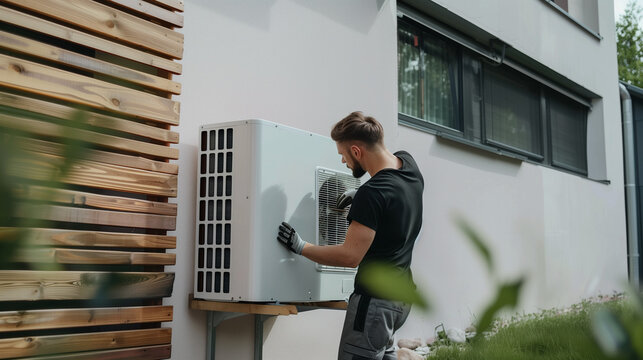
Air-source heat pumps require adequate outdoor space with good airflow. Buildings with limited external areas, tight access or existing structures can struggle to accommodate them. Ground source systems demand even more space: either large areas for horizontal pipework or access for drilling boreholes.
Then there’s the visual impact. Heat pump units can be prominent, creating challenges for:
- Listed buildings.
- Properties in conservation areas.
- Sites where aesthetics matter to stakeholders.
You may also need planning permission. Requirements vary across the UK, with Scotland, Northern Ireland and Wales having specific rules. In England, requirements depend on property size and location.
And don’t forget noise. Modern units are quieter than older models, but air-source heat pumps still produce operational noise from their outdoor units. Install one too close to occupied spaces or neighbouring properties, and you could face complaints.
Skills Shortages and Supply Chain Problems
The UK doesn’t have enough qualified heat pump installers. According to industry bodies, the UK needs to train at least 10,000 new installers annually to meet targets by 2035. Latest industry data shows that fewer than 100,000 heat pumps were installed in 2024, meaning the UK is currently operating at around one-sixth of the required pace to meet the 600,000 annual target.
This skills gap affects more than just availability. It impacts quality, too.
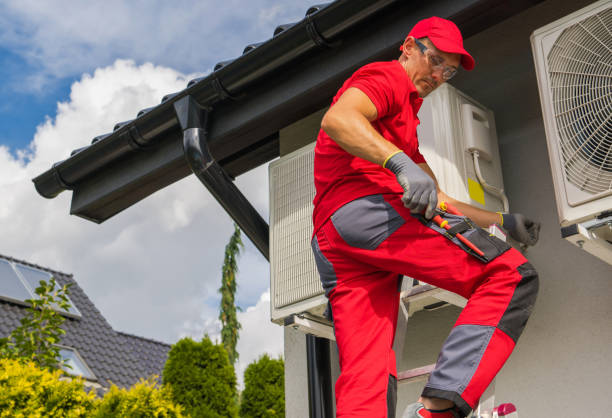
Research from the Salford Energy Test House found that even a highly experienced heating engineer made an installation error with the heat pump system: the flow and return connections were accidentally swapped.
This fault resulted in running costs around 50% higher than expected. The finding underlines the importance of choosing properly accredited installers and the risks associated with a stretched workforce.
Supply chain disruptions add another layer of complexity. Order equipment well in advance, particularly for projects with fixed completion dates. Commercial installations typically take four to fifteen days, but can stretch considerably when preparatory work and supply delays are factored in.
Questions to Ask Before You Proceed
Heat pumps remain a viable option for decarbonising commercial heating. Success depends on preparation and realistic expectations.
Before committing, consider:
- Has your building undergone a detailed heat-loss assessment?
- What fabric upgrades will you need?
- Can your electrical infrastructure support a heat pump?
- Do you have space for the external unit?
- Will you need planning permission?
- Have you factored in all costs, not just the heat pump itself?
Engage with MCS-accredited installers early. They can identify potential complications and design systems that suit your specific building. For properties where heat pumps alone won’t meet demands, hybrid solutions offer a pragmatic route to lower carbon emissions.
How We Can Help
Navigating commercial heat pump installation requires specialist expertise. At Morson Praxis, we work across the energy sector to help facility managers make informed decisions about building decarbonisation.
We understand the practical challenges involved. Our team provides technical guidance from initial feasibility through to project completion.
Stay up to date with the latest developments through our news section. Or contact us to discuss how we can support your heat pump project.