Industries
→
Manufacturing & Technology
As manufacturing consultants working across some of the UK’s most complex and high-demand sectors, we bring together engineering expertise and commercial discipline to support better decisions across facilities, technology, capital investment, and long-term operational performance.
Our focus is practical, helping manufacturers understand the implications of each choice, and ensuring decisions are grounded in how the operation will actually perform over time.
-
Manufacturing & Technology Industries ↓
- Automotive Plant Design →
- Data Centres →
- Food Manufacturing →
- Industrial & Process →
- Pharmaceuticals Facilities →
What sets us apart in manufacturing & technology
Operational experience
Insight where it matters most
Our team brings together chartered engineers, project managers, BIM specialists, and low carbon specialists with hands-on experience in manufacturing environments. We’ve delivered facilities where downtime carries real cost and tolerances are unforgiving, and we’ve managed capital programmes through live production sites where operations cannot pause for construction.
In manufacturing, effective advice sits at the intersection of engineering and commercial reality. Technical decisions disconnected from operational outcomes add avoidable cost, while commercial decisions made without engineering insight tend to surface as issues on site rather than in design.
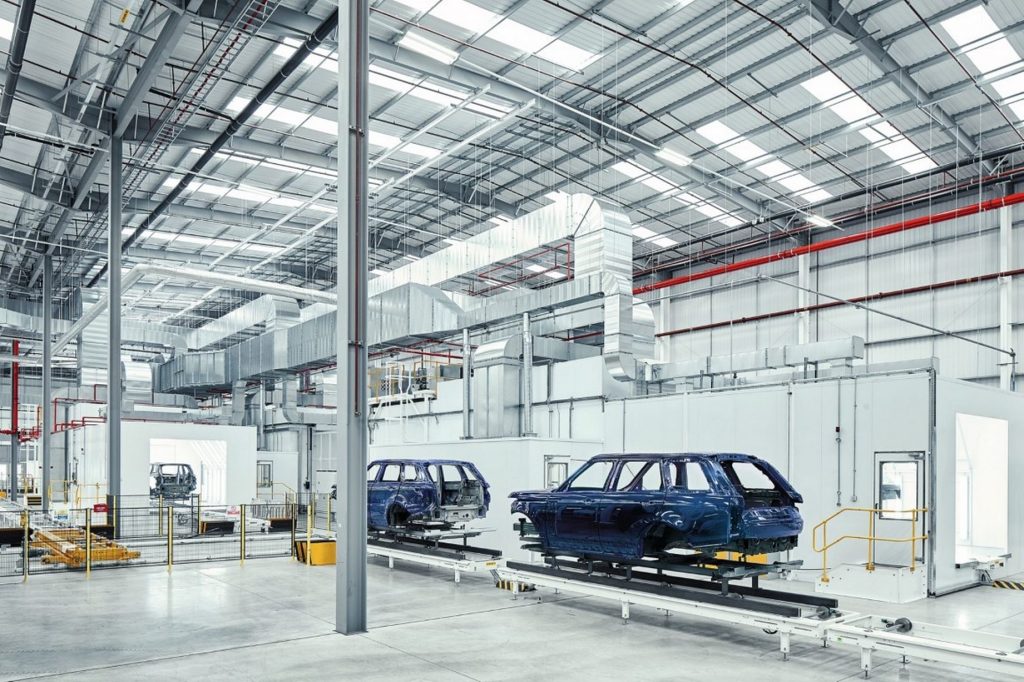
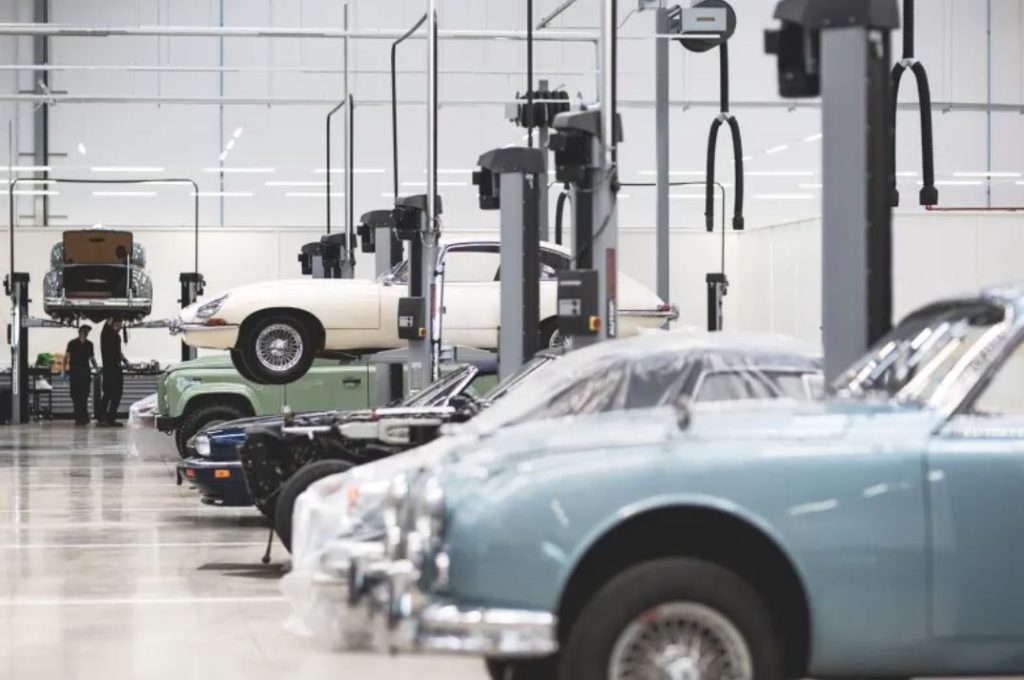
Automotive engineering in the UK is under more pressure than it’s been in decades. New model programmes, gigafactory investment and a hard 2030 end date for petrol and diesel are forcing manufacturers to move fast on infrastructure. We design the facilities that make that possible: assembly lines, trim and final buildings, paint shops and vehicle operations facilities, coordinated across civil, structural and process engineering from a single point of accountability.
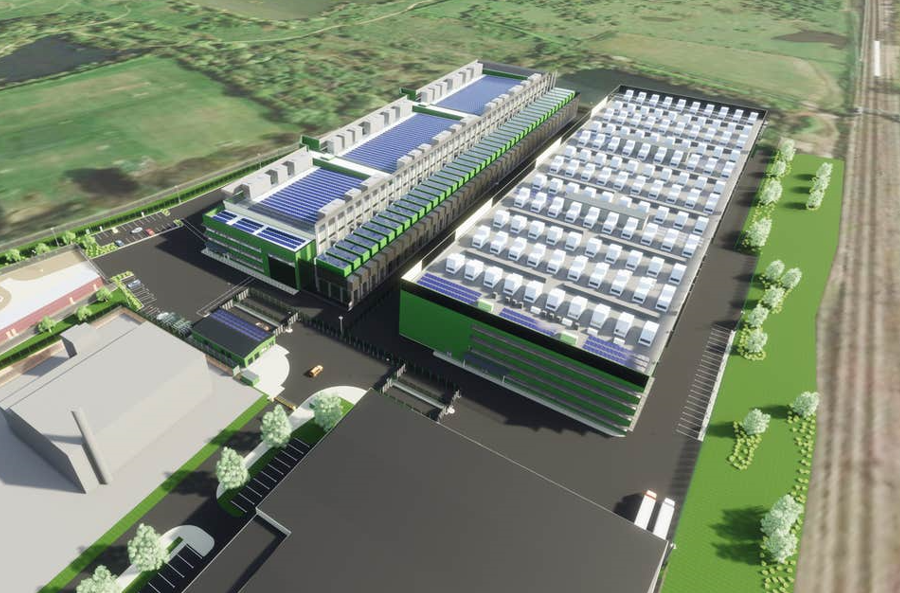
Data centre engineering sits at a point where the physical and the digital converge, and the margin for error is genuinely narrow. AI workloads are changing what these facilities need to do. Rack densities are rising. Power and cooling requirements are shifting faster than most design programmes account for. We bring the disciplines together in-house, civil and structural, M&E, BIM, sustainability and commercial risk management, from feasibility through to handover.
Our food manufacturing consultancy covers the full scope of design and engineering for food production facilities: structural and civil work, mechanical and electrical building services, process engineering, and project management, all co-ordinated through a single multi-disciplinary team. The UK food and drink sector contributes £42bn to the national economy and employs close to 500,000 people. The engineering behind those facilities is more demanding than most industrial work. That’s worth getting right first time.
Process engineering is where chemistry, physics and commercial reality have to agree. We work with manufacturers and operators across food processing, agrochemicals and industrial sectors to design, optimise and troubleshoot the processes that keep production running. Our industrial engineering consultancy covers the full asset lifecycle: from initial feasibility and process design through to commissioning, optimisation and decommissioning. The decisions made early in a project shape what’s possible at every stage that follows.
Pharmaceutical engineering leaves little room for approximation. A facility that doesn’t perform at qualification isn’t just a project problem. It’s a regulatory one, with direct consequences for production timelines and patient supply. Morson Praxis works with pharmaceutical manufacturers across the UK to design GMP-compliant facilities that are built around your manufacturing process and ready to stand up to inspection.
How we support manufacturing & technology
Technology
Knowing which investments pay back
The convergence of operational and information technology is reshaping what’s possible on the factory floor.
SCADA and PLC systems are now generating data that can be used to support predictive maintenance. Digital twins allow changes to be tested and understood before they are committed in the real world. Collaborative robotics are becoming viable across an expanding range of production environments.
the question is not what the technology can do, but what it will do in a specific production context, and whether it will return value. That requires engineering judgement, clear-sighted assessment, and commercial discipline to challenge investment where the numbers don’t stand up.
Sustainability
Carbon reduction as a financial priority
For most manufacturers, sustainability is no longer a compliance exercise. Customers, investors, and lenders now expect a credible route to decarbonisation, and rising energy costs mean operational carbon reduction is a direct commercial concern.
Reaching that outcome depends on low-carbon thinking being embedded from the outset. Building fabric, systems, and renewable energy solutions need to be considered as a single, integrated design, not in isolation or sequence.
We support clients in shaping that pathway in a way that reflects how their operations actually work, not just how sustainability looks on paper, helping ensure decisions are both practical and commercially resilient over time.
Maintenance
Connecting asset care to business performance
Reactive maintenance is one of the most expensive ways to run a facility. The direct costs, lost production, emergency labour, and expedited parts are immediately visible. The indirect costs, diverted management attention, delivery disruption, and erosion of customer confidence are harder to measure, but often greater in impact.
A well-structured maintenance strategy links asset care directly to business objectives. It uses condition data to determine when intervention is genuinely required and plans activity around production, not in conflict with it.
We help clients embed that approach from the outset, because building it in later is possible, but significantly more complex and costly.
Turning theory into practice
Your partner in manufacturing & technology
Talk to our manufacturing consultancy team
If you’re working through a facility decision, a capital investment case, or a technology question and want a considered view from people who’ve dealt with similar problems before, we’re happy to have that conversation.
Delivery done differently
Discover how our broad range of multi-disciplinary services support the manufacturing & technology industry.
FAQs: Understanding manufacturing consultancy
Manufacturing is the process of transforming raw materials into finished products using a combination of labour, machinery, and tools. The goal of manufacturing is to produce goods that meet specific quality, quantity, and cost requirements. Manufacturing involves a wide range of industries, including food production, electronics, pharmaceuticals, and automotive manufacturing. The process of manufacturing includes a series of steps, such as design, sourcing of materials, production, quality control, packaging, and distribution. Manufacturing solutions can help optimise the manufacturing process, improve quality, reduce costs, and increase efficiency.
A manufacturing facility is a physical space where the manufacturing process takes place. A manufacturing facility can range from a small workshop to a large-scale industrial complex. The facility must be equipped with the necessary tools, equipment, and infrastructure to support the manufacturing process. This includes machinery, power sources, material handling systems, and safety systems. Manufacturing facilities can be specialised for specific industries or products, such as semiconductor fabrication facilities or automotive assembly plants. They can also be designed for a specific type of manufacturing process, such as batch manufacturing or continuous manufacturing.
There are several types of production facilities, including batch manufacturing, continuous manufacturing, and custom manufacturing. Batch manufacturing involves producing a set quantity of products in a single production run. This type of production is ideal for products that have a limited shelf life or are subject to frequent changes in demand. Continuous manufacturing, on the other hand, involves producing products in a continuous process without interruption. This type of production is ideal for products that have a long shelf life or are in constant demand. Custom manufacturing involves producing products according to specific customer requirements. This type of production is often used for products that are highly specialised or require unique features. Manufacturing solutions can be tailored to each type of production facility to optimise efficiency and quality.