08.01.2026
Estimated Reading Time: 12 minutes
Key Takeaways
- All drone pilots flying drones weighing 100g or more must register with the Civil Aviation Authority (CAA) and obtain both a Flyer ID and Operator ID from 1 January 2026.
- UK drone operations are divided into three categories: Open (low risk), Specific (medium risk), and Certified (high risk).
- New UK class marks (UK0–UK6) are mandatory for drones placed on the market from 2026, with EU C-class drones recognised until 31 December 2027.
- Remote ID becomes mandatory for class-marked drones (UK1, UK2, UK3, UK5, UK6) from 1 January 2026, and for legacy drones from 1 January 2028.
- Drones must remain below 120 metres (400 feet), within visual line of sight, and at least 50 metres from uninvolved people.
- Commercial operators must comply with both aviation regulations and UK privacy laws.
- Flying in airport Flight Restriction Zones without explicit permission can result in prosecution and significant fines.
Whether you fly drones for capturing breathtaking aerial footage, conducting industrial digital surveys, or purely for leisure, staying on top of these regulations ensures your activities remain compliant with UK law.
The UK has clear directives that range from essential registration to intricate guidelines covering different types of flights. By examining this content about UK drone laws, remote pilots will secure vital knowledge on how to obtain their Operator ID and Flyer ID – key steps before taking off.
You will also gain insight into operational nuances, such as low-risk ‘Open’ category rules and higher-stakes ‘Specific’ category procedures, including risk assessments and remote pilot competency requirements. Moreover, commercial operators will discover what permissions they need in line with privacy considerations.
Safety is at the heart of responsible flying. So, we will also look at airspace restrictions – crucial for any avid flyer eager to share the skies safely.
What Are the Registration and Operator ID Requirements for UK Drone Pilots?
To fly a drone in the UK from 1 January 2026, registration with the Civil Aviation Authority (CAA) is mandatory for all drones weighing 100g or more with a camera. This obligation must be renewed annually.
Registering Your Drone with the Civil Aviation Authority (CAA)
To become a recognised UK operator of unmanned aircraft systems like drones and model aircraft, you must navigate through the CAA’s registration requirements. Securing an Operator ID means attaching it clearly and visually to your device, think of it as giving your drone its own number plate. Obtaining a Flyer ID requires passing an online theory test proving that when it comes to aviation safety and privacy laws in open airspace, you know what is needed.
Flying without completing all of the legal requirements could result in consequences beyond just grounding your drone. Penalties include fixed penalty notices of up to £1,000, fines of up to £2,500 for more serious violations, confiscation of your drone, and, in the most serious cases, imprisonment.
UK Drone Registration Requirements (From 1 January 2026)
| Drone Category | Flyer ID Required | Operator ID Required |
| Under 100g (no camera) | No | No |
| Under 100g (with camera) | No | No |
| 100g–249g (no camera) | Yes | No |
| 100g–249g (with camera) | Yes | Yes |
| 250g–25kg (any) | Yes | Yes |
What Is the Open Category of UK Drone Laws?
Exploring the Open category for low-risk drone flights is a journey into understanding just how accessible the skies have become. This category, which does not necessitate complex permissions or remote pilot training beyond the basics, allows both hobbyists and professionals to take to the air with ease.
What Are the Subcategories Within the Open Category?
Flying drones in accordance with the Drone Code, there are three subcategories – each designed with specific boundaries based on weight and proximity to people:
Over People (A1): Permits flying over people with small drones weighing less than 250g with a class mark of UK0 or UK1
Near People (A2): Offers more operational freedom but requires additional competencies (A2 Certificate of Competency) when your drone weighs up to 4kg; legacy drones under 2kg must maintain 50m horizontal distance from uninvolved people.
Far from People (A3): Requires maintaining at least 150 metres from residential, commercial, industrial, or recreational areas, and 50 metres from uninvolved persons.
In contrast, commercial operators eyeing higher-risk operations must venture into the Specific or Certified categories, where detailed risk assessments are required.
What Are the Maximum Height Restrictions and Visual Line of Sight Rules?
Navigating UK airspace is not a free-for-all; there are rules designed to keep everyone safe. Regardless of whether you are engaged in model aircraft flying or capturing breathtaking HD video footage for your latest digital capture project, your device must not soar past 120 metres above ground level, a ceiling set by experts who understand that risk increases with altitude.
Beyond height limits is another cornerstone rule: maintaining a visual line of sight at all times during drone flights is non-negotiable because it helps avoid collisions – no one wants an unexpected encounter between their uncrewed aircraft and manned aviation.
How Do You Navigate Specific Category Operations?
Drone operators planning higher-risk flights within the UK must adhere to stringent regulations. These regulations, known as the Specific category, require careful planning and documentation.
How Do You Conduct Risk Assessments for Specific Drone Operations?
To fly drones that do not fit into the low-risk Open category bracket, you will need an Operational Authorisation from the Civil Aviation Authority (CAA). But first: risk assessments. They are not just box-ticking exercises; they are your safety net, and the CAA will not grant authorisation without one.
From 23 April 2025, the CAA introduced UK SORA (Specific Operations Risk Assessment) methodology, replacing the previous Operating Safety Case approach. Risk assessments require meticulous planning and an understanding of both drone technology and aviation authority guidelines, including avoiding congested areas unless cleared for flight with proper authorisation.
How Do You Achieve Drone Pilot Competency Through Accredited Training?
Gaining competency as a remote pilot requires accredited training courses recognised by UK authorities. The CAA is transitioning from the General VLOS Certificate (GVC) to the new Remote Pilot Competence (RPC) framework over 24 months. You need a robust grasp of everything from avoiding collisions with human-crewed aircraft to maintaining control even when the GPS signal is compromised at critical moments.
What Are the Rules for Commercial Use of Drones in the UK?
How Must Commercial Operators Comply with Privacy Laws?
The UK commercial drone landscape is dynamic, with businesses exploring innovative ways to leverage unmanned aircraft systems. But flying drones commercially is not just about getting spectacular aerial shots or delivering goods swiftly – it also requires strict adherence to privacy laws designed to protect individuals against unwarranted surveillance and data collection.
When deploying drones for commercial purposes, operators must be astute regarding how they capture and handle data. The implications are significant: mishandling could lead not only to penalties but also to reputational damage.
To operate within legal bounds, one must become well-versed with both aviation regulations and privacy legislation – this requires diligence beyond obtaining drone registration.
In essence, respect for individual privacy forms as much a part of flight preparation as any pre-takeoff checklist. Whether you are capturing footage over urban landscapes or conducting surveys in more secluded areas using mobile mapping solutions, every flight must respect bystanders’ rights, treating their personal space as a no-fly zone unless consent has been secured.
UK Drone Class Marking System (From 1 January 2026)
| Class Mark | Maximum Take-Off Mass | Key Operational Permissions |
| UK0 | Under 250g | Can fly over people (A1) |
| UK1 | Under 900g or <80J impact energy | Can fly over people (A1) |
| UK2 | Under 4kg | Can fly near people (A2) with low-speed mode |
| UK3 | Under 25kg | Far from people (A3) only |
| UK4 | Under 25kg | Far from people (A3), no auto functions required |
| UK5 | Under 25kg | Specific Category operations |
| UK6 | Variable | Specific Category operations |
What Are the Safety Guidelines and Airspace Restrictions?
How Do You Comply with Air Traffic Control Requirements?
The skies are busy, and drones add a new dimension to air traffic. To ensure harmony above, strict adherence to Civil Aviation Authority (CAA) regulations is non-negotiable for drone operators. Navigating through controlled airspace puts you in air traffic control territory. Clear communication with controllers is paramount because they orchestrate the safe flow of both human-crewed and uncrewed flights.
Your drone must not be an unwelcome presence among aircraft; maintaining clear separation ensures everyone’s safety aloft. This is law enforcement without room for interpretation or error.
How Do You Avoid Collisions with Human-crewed Aircraft?
Drones may seem small against the scale of manned aviation, but the potential for near misses or worse is real.
To avoid these scenarios, fly your drone within visual line of sight and consistently below 120m, a ceiling set by authorities as a buffer zone for safe coexistence in UK skies.
Why Must You Never Fly in Airport Flight Restriction Zones Without Permission?
Airports are hubs of aerial activity where risk assessment is critical. Venture into Flight Restriction Zones (FRZs) around airports uninvited, and you will find yourself on the wrong side of the law.
Flight Restriction Zones comprise the Aerodrome Traffic Zone (typically two nautical miles radius up to 2,000 feet) plus runway protection areas extending approximately 5km from each runway threshold. Flying within these zones requires explicit permission from airport authorities, not just to comply with regulations but also to demonstrate respect for safety protocols that protect lives daily on UK runways. Flying without consent in these zones can result in prosecution and endanger human life.
What Advancements Are Being Made in Drone Technology?
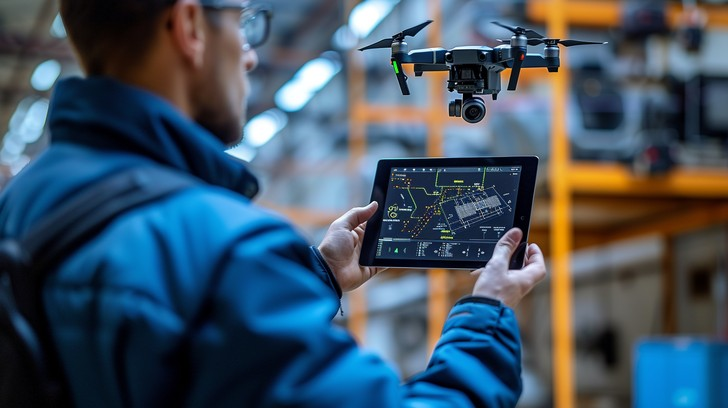
Drones have evolved from simple remote-controlled aircraft to sophisticated tools. Today, drones are not just flying cameras but highly advanced pieces of technology with features that ensure their safe design and operation. From HD video capabilities to First Person View (FPV) technology, these advancements allow for a range of activities far beyond what was previously possible.
What Safety Features and Technologies Exist in Modern Drones?
The advancement in drone technology has been significant. Some model aircraft now offer long-range capabilities exceeding 1km, letting pilots explore the skies whilst maintaining high-definition clarity on their footage. This innovation promotes safer flights by providing operators with crystal-clear views even when the drone is far away.
Improved battery endurance means today’s drones can fly longer without recharging, which is crucial for professional or extended use.
How Is Safe and Responsible Drone Flying Being Promoted?
To keep pace with rapid development, regulatory bodies continue to evolve. The Civil Aviation Authority (CAA), which governs airspace usage within the UK, maintains strict registration requirements. If you own any drone weighing 100g or more with a camera, you must register it to ensure everyone flies safely and responsibly.
Beyond compliance is an understanding that each advancement brings new responsibilities. Ensuring your aircraft meets the class marking requirements set by authorities is essential, but understanding how to use these machines without infringing privacy laws or risking collisions requires both awareness and education, a responsibility every pilot should take seriously.
Remote ID Implementation Timeline
From 1 January 2026: Remote ID mandatory for UK1, UK2, UK3, UK5, and UK6 class-marked drones.
From 1 January 2028: Remote ID mandatory for legacy drones (non-class-marked), UK0 drones weighing 100g+ with camera, and privately built drones weighing 100g+ with camera.
Remote ID functions as a digital number plate, broadcasting your drone’s location and identification in real-time to help authorities track uncrewed aircraft.
How Morson Praxis Can Help
Can your business take advantage of drone surveys? Our qualified UAV pilots work alongside our engineering teams to deliver precision digital capture and surveying services across industrial and marine sectors. From 3D scanning to mobile mapping, we help businesses harness aerial data whilst maintaining full regulatory compliance.