02.01.2026
Estimated Reading Time: 15 minutes
Key Takeaways
- Generation-IV nuclear reactors are being developed with enhanced safety features, improved efficiency and reduced waste production to overcome current technology limitations.
- Small Modular Reactors (SMRs) offer flexible, cost-effective nuclear deployment options with factory fabrication capabilities.
- AI and machine learning are revolutionising nuclear plant operations through predictive maintenance and optimised reactor control systems.
- Global nuclear capacity is expanding, with China, India and European nations investing in new facilities to meet decarbonisation targets.
- The nuclear industry faces significant workforce challenges, with an ageing workforce and competition for skilled talent from other sectors.
- Nuclear energy is increasingly integrated with renewable sources to enhance grid stability and support electric vehicle infrastructure.
Nuclear engineering is expected to enhance energy security and combat climate change in 2026. Its future promises to address some of the world’s most pressing energy challenges.
Generation-IV nuclear reactors are being developed with enhanced safety features, improved efficiency and reduced waste production. These advanced systems aim to overcome the limitations of current nuclear technologies whilst providing a sustainable, low-carbon energy solution.
The industry is also focusing on developing competencies for future nuclear technologies. This aims to ensure a skilled workforce that can drive innovation and maintain safety standards in the future.
How Is Nuclear Technology Evolving in 2026?
Nuclear engineering advances rapidly, with innovations transforming reactor designs, safety systems and operational efficiency. These developments promise to shape the future of nuclear power generation.
What Advancements Are Being Made in Nuclear Reactor Designs?
Modern nuclear reactor designs prioritise enhanced safety features and improved efficiency. Generation IV reactors are at the forefront of this evolution, offering passive safety systems and reduced waste production.
High-temperature gas-cooled reactors (HTGRs) represent a significant leap forward. These designs use helium as a coolant and graphite as a moderator, enabling higher operating temperatures and greater thermal efficiency.
Molten salt reactors are another promising concept. They use liquid fuel, potentially offering better fuel efficiency and inherent safety advantages.
How Is Artificial Intelligence Transforming Nuclear Operations?
AI is revolutionising nuclear plant operations and maintenance. Machine learning algorithms optimise fuel usage, predict equipment failures and enhance plant performance.
Advanced neural networks are improving reactor control systems, enabling more precise power output adjustments and faster responses to operational changes.
AI-driven predictive maintenance is reducing downtime and extending the lifespan of critical components. This technology analyses vast amounts of sensor data to identify potential issues before they become serious problems.
Why Are Small Modular Reactors Gaining Momentum?
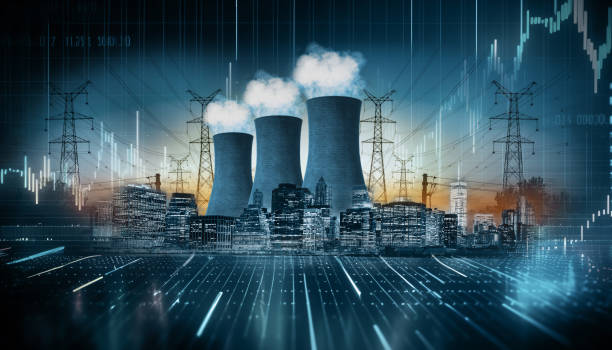
SMRs represent a paradigm shift in nuclear power generation. These compact reactors, typically generating up to 300 MW of electricity, offer numerous advantages over traditional large-scale plants. For organisations exploring SMR design capability, these technologies are rewriting the rules of nuclear engineering.
| SMR Feature | Benefit |
| Compact size | Flexible siting options, including remote areas |
| Modular design | Factory fabrication reduces construction time and costs |
| Output capacity | Up to 300 MW, scalable deployment |
| Passive safety | Advanced safety features without active intervention |
| Grid compatibility | Complements renewable energy sources |
Many SMR designs incorporate advanced passive safety features, further enhancing their appeal. These reactors could provide clean, reliable baseload power to complement renewable energy sources.
What Are the Economic Considerations for Nuclear Power?
Nuclear power’s economic viability hinges on several key factors, including project financing, market competitiveness and long-term revenue agreements. These elements shape the industry’s future and determine its role in the global energy mix.
How Are Nuclear Projects Being Financed?
Nuclear power plant construction requires substantial upfront capital investment. Major projects demonstrate significant cost variability. Private sector involvement is crucial, but government support often plays an important role.
Innovative financing models are emerging to mitigate risks, including:
- Public-private partnerships.
- Regulated Asset Base (RAB) models.
- Government loan guarantees.
These approaches aim to reduce the cost of capital and attract investors by providing more certainty on returns.
Can Nuclear Compete with Renewables and Fossil Fuels?
Nuclear power faces stiff competition from renewable energy sources and fossil fuels. Although nuclear plants offer stable baseload power, their high upfront costs can make them less attractive in some markets.
| Competitiveness Factor | Impact on Nuclear |
| Carbon pricing | Favours nuclear over fossil fuels |
| Renewable subsidies | Can disadvantage nuclear projects |
| Fuel price volatility | Nuclear benefits from stable fuel costs |
| Operating costs | Low ongoing operational expenses |
| Plant lifespan | 60+ years provides long-term value |
Despite challenges, nuclear power remains competitive in many regions due to its low operational costs and long plant lifespans.
What Role Do Power Purchase Agreements Play?
Power Purchase Agreements (PPAs) are critical for securing the long-term economic viability of nuclear projects. These contracts typically span 15-30 years and provide a guaranteed revenue stream for plant operators.
PPAs for nuclear power often include fixed-price or inflation-linked pricing structures, capacity payments for availability, and provisions for regulatory changes. The stability offered by PPAs helps offset the high initial investment costs and can make nuclear projects more attractive to investors.
What Are the Global Trends in Nuclear Energy?
Nuclear energy is poised to play a significant role in the global energy landscape as countries seek to meet decarbonisation targets and address climate change. The industry is experiencing growth in installed capacity and expanding into new applications beyond electricity generation.
How Is Nuclear Capacity Expanding Worldwide?
According to the World Nuclear Association’s Performance Report 2025, nuclear reactors worldwide generated a record 2,667 TWh of electricity in 2024, surpassing the previous record of 2,660 TWh set in 2006. As of 2025, approximately 416 nuclear reactors operate globally with a combined capacity of around 376 GW.
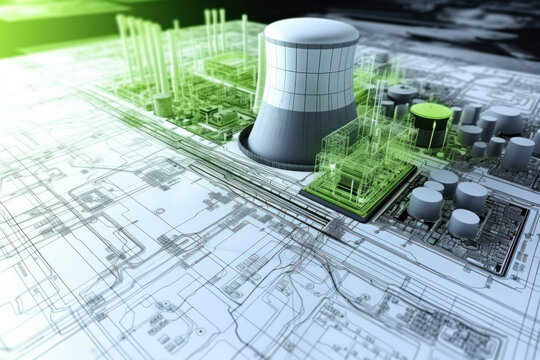
China continues to lead nuclear expansion, with 57 operating reactors and 28 more under construction. In Europe, countries like France and the UK are pursuing new nuclear projects to replace ageing reactors and maintain their nuclear capacity.
For nuclear engineering services supporting these initiatives, expertise across the entire asset lifecycle is essential.
Small Modular Reactors are gaining traction as a more flexible and cost-effective option for nuclear deployment. These compact designs could open up new markets and applications for nuclear technology.
How Does Nuclear Support Decarbonisation Goals?
Nuclear energy is increasingly recognised as crucial for meeting ambitious climate goals. Many countries incorporate nuclear power into their long-term energy strategies to achieve net-zero emissions targets.
The EU has included nuclear energy in its taxonomy for sustainable activities, acknowledging its potential to support decarbonisation efforts. This decision is expected to drive investment in nuclear projects across the bloc.
Nuclear power currently provides approximately 9-10% of global electricity generation, according to the International Energy Agency. Its ability to provide reliable, low-carbon baseload electricity complements the intermittent nature of renewable energy sources such as wind and solar. This is crucial for maintaining grid stability whilst reducing overall power-sector emissions.
What Hard-to-Abate Sectors Can Nuclear Address?
Nuclear technology expands beyond traditional electricity generation to address emissions in hard-to-abate sectors. One promising application is the production of clean hydrogen using nuclear heat and electricity.
High-temperature reactors could provide the intense heat required for industrial processes, potentially decarbonising sectors such as steel and cement manufacturing. Nuclear-powered desalination is another emerging trend that solves water scarcity issues in coastal regions.
How Will Nuclear Meet Rising Energy Demands?
Global energy needs continue to rise, driven by population growth and increasing electrification. Nuclear power is a viable option for meeting this demand whilst reducing carbon emissions.
What Are the Electricity Demand Growth Projections?
Electricity demand is expected to grow significantly through 2026 and beyond. The United Nations estimates that the world’s population will grow from about 8 billion in 2024 to around 9.8 billion by 2050. Developing nations account for most of the growth in energy demand as their economies expand and living standards improve.
Factors driving demand include an increasing population, rising industrial output, a growing middle class in emerging markets, and the broader adoption of electric vehicles. Nuclear energy strategies will play a crucial role in meeting these electricity needs sustainably.
How Can Nuclear Address Rising Energy Needs?
Nuclear power offers a reliable, low-carbon solution for baseload electricity generation. Nuclear reactors currently provide approximately 9-10% of global electricity. Many countries are expanding their nuclear capacity to meet rising demand.
Advanced reactor technologies, such as small modular reactors, show promise for flexible deployment across diverse locations and applications.
What Impact Will Electric Vehicles Have on Nuclear Demand?
The electric vehicle revolution is reshaping electricity demand patterns. According to the IEA’s Global EV Outlook 2025, global EV sales exceeded 17 million in 2024. They were projected to surpass 20 million by the end of 2025, representing more than one-quarter of all cars sold worldwide. This surge in EVs will substantially impact grid requirements.
Key considerations include increased overall electricity demand, higher peak loads during evening charging, the need for smart charging infrastructure, and the potential for vehicle-to-grid technology.
Nuclear power’s consistent baseload generation complements the variability of renewables in supporting EV charging needs. Future electricity generation strategies must account for this evolving demand landscape.
What Safety and Regulatory Challenges Face the Nuclear Industry?
Nuclear engineering in 2026 faces critical challenges in safety, regulation and public acceptance. Advancements in technology and policy aim to address these concerns whilst promoting the industry’s growth.
What Nuclear Safety Enhancements Are Being Implemented?
The nuclear industry continues to prioritise safety through innovative technologies and improved protocols. Generation III standards are now the benchmark for new reactor designs, incorporating passive safety features that enhance reliability and reduce the risk of accidents.
Advanced monitoring systems use artificial intelligence to detect potential issues before they escalate. These systems analyse vast amounts of data in real time, enabling proactive maintenance and risk mitigation.
Improved emergency response plans have been developed, incorporating lessons from past incidents. These plans involve better coordination between plant operators, local authorities and emergency services.
How Are Regulatory Frameworks Evolving?
Regulatory bodies have strengthened their oversight of the nuclear sector and implemented more stringent safety and security measures. Infrastructure and regulation have become key areas for ensuring the industry’s long-term viability. Working with nuclear consultancy specialists can help organisations navigate these complex regulatory landscapes.
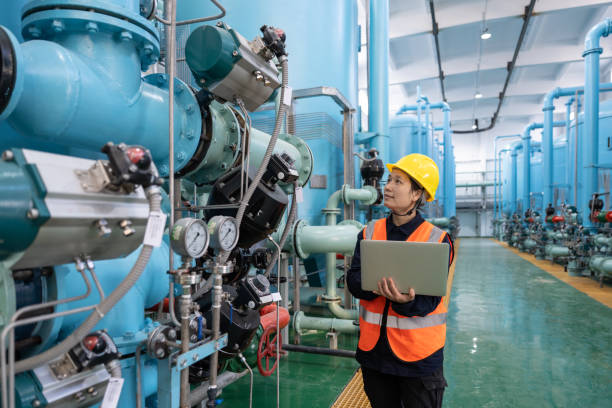
Compliance requirements now extend beyond operational safety to include cybersecurity, environmental impact and waste management.
Nuclear facilities must demonstrate robust defence against cyber threats and natural disasters.
International cooperation has increased, with regulatory bodies sharing best practices and harmonising standards across borders. This collaboration aims to elevate global nuclear safety and security.
How Is Public Perception of Nuclear Changing?
Public perception remains a significant challenge for the nuclear industry. Efforts to improve transparency and communication have yielded mixed results. Educational dialogues have been initiated to address public concerns and misconceptions about nuclear energy.
Proponents highlight nuclear energy’s role in combating climate change and ensuring energy security. They emphasise the industry’s safety record and technological advancements.
Critics continue to raise concerns about waste management, potential accidents and long-term environmental impact. The industry faces ongoing challenges balancing these concerns with the need for low-carbon energy sources.
What Supply Chain and Workforce Challenges Exist?
The nuclear industry faces challenges in securing reliable fuel sources and developing a skilled workforce. These factors will significantly impact the sector’s growth and sustainability in the coming years.
What Is the State of Uranium Production and Supply Chains?
Uranium production and supply chains are critical components of the nuclear energy sector. Global uranium production is expected to increase moderately to meet growing demand. Kazakhstan, Canada and Australia remain the top producers.
Nuclear power plants require a stable supply of uranium fuel. Due to geopolitical tensions and transportation issues, supply chain challenges may arise. Diversifying uranium sources and establishing strategic reserves will be crucial for energy security.
Advanced nuclear technologies may reduce uranium requirements through improved fuel efficiency. This could alleviate some supply pressures but will take time to implement widely.
How Can the Industry Address Skill Shortages?
The nuclear industry is grappling with an ageing workforce and skill shortages. According to Foratom, the EU’s nuclear sector employs approximately 500,000 people, with a significant portion approaching retirement age. Attracting and retaining young talent is essential for the sector’s future. Universities and technical schools are expanding nuclear engineering programmes to address this issue.
The UK government estimates that reaching nuclear capacity targets will require approximately 123,000 workers this decade, with industry and government committing £763 million to boost apprenticeships and skills training.
Industry-academia partnerships and apprenticeship programmes are being established to bridge the skills gap. Digital technologies and virtual reality training are also employed to enhance workforce capabilities and knowledge transfer.
How Will Nuclear Integrate with Renewable Energy?
Nuclear engineering in 2026 will focus on seamless integration with renewable energy sources to enhance grid stability and energy security. This approach aims to create a balanced and reliable clean power ecosystem.
What Synergies Exist Between Nuclear and Renewables?
Nuclear power plants are designed to work harmoniously with renewable energy sources. Engineers are developing flexible nuclear reactors that adjust output in response to the availability of wind and solar power. This allows for optimal integration of nuclear energy with other renewable energy sources.
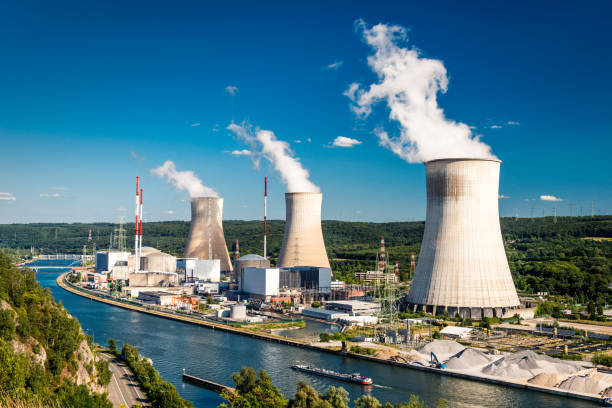
Advanced control systems are being implemented to enable real-time communication between nuclear facilities and renewable energy installations.
These systems help balance energy production and consumption, ensuring a steady supply of clean power to the grid.
Nuclear engineers are also exploring ways to use excess nuclear energy during low-demand periods. One promising avenue is producing hydrogen fuel, which can be stored and used when renewable sources are less productive.
How Does Nuclear Support Grid Stability?
Nuclear power plants are crucial in maintaining grid stability as the share of intermittent renewable sources increases. Engineers are developing innovative approaches to integrate nuclear power into energy systems, providing reliable backup capacity when needed.
Next-generation nuclear reactors are being designed with enhanced load-following capabilities. This feature allows them to quickly ramp up or down in response to fluctuations in renewable energy output, ensuring a consistent power supply.
Energy storage solutions, such as advanced batteries and pumped hydro storage, are being integrated with nuclear plants. These systems help smooth out power fluctuations and improve overall grid resilience.
Major tech companies are partnering with nuclear engineering firms to develop AI-powered grid management systems. These systems optimise the integration of nuclear and renewable energy sources, enhancing energy security and efficiency.
Partner with Morson Praxis for Your Nuclear Engineering Projects
As the nuclear sector evolves with new reactor technologies, regulatory requirements and workforce challenges, having the right engineering partner is essential for project success.
Morson Praxis brings decades of nuclear expertise across the entire asset lifecycle, from new build and operations to decommissioning. Our team of specialists delivers intelligent solutions for SMR development, safety case preparation, regulatory compliance and workforce planning.
Contact Morson Praxis today to speak with our nuclear consultancy team about how we can support your next project.