15.01.2026
Estimated Reading Time: 7 minutes
Key Takeaways
- Fire engineering is essential for keeping commercial buildings safe, compliant and operationally resilient.
- Facility managers are legally responsible for maintaining fire protection systems under UK fire safety legislation.
- Fire engineering integrates directly with mechanical and electrical building services for effective system performance.
- Risk management and compliance with the Regulatory Reform (Fire Safety) Order 2005 form the foundation of fire strategies.
- Working with fire engineering specialists helps avoid costly remediation and ensures systems adapt to changing building needs.
Why Does Fire Engineering Matter in Commercial Buildings?
Fire engineering keeps commercial buildings safe, compliant and resilient. It goes beyond installing equipment to consider how alarms, sprinklers and ventilation work together so people can escape safely and operations can resume quickly after an incident.
This discipline examines how fires start, how smoke moves through a building, how people evacuate, and how systems interact. It provides a complete view of fire safety that protects both occupants and assets.
| Fire Engineering Component | Purpose | Facility Manager’s Responsibility |
| Fire detection and alarm systems | Early warning and occupant notification | Weekly testing and annual servicing |
| Sprinkler systems | Automatic fire suppression | Regular inspection and flow testing |
| Smoke control ventilation | Maintains escape route visibility | Integration with HVAC maintenance |
| Emergency lighting | Illuminates escape routes during a power failure | Monthly functional tests |
| Fire doors and compartmentation | Prevents fire and smoke spread | Regular inspection for damage |
What Are a Facility Manager’s Fire Safety Responsibilities?
Facility managers carry responsibility for ensuring fire protection systems remain operational throughout the building’s lifecycle. Engineers and contractors may install these systems, but ongoing performance is your responsibility.
Your core responsibilities include:
- Testing alarms, sprinklers and smoke control systems on scheduled intervals.
- Training staff in evacuation procedures and fire safety awareness.
- Engaging fire engineers when upgrades, refurbishments or layout changes are planned.
- Maintaining comprehensive records for inspections, insurance requirements and regulatory compliance.
- Conducting regular fire risk assessments and reviewing them when circumstances change.
Neglecting these duties can result in system failures precisely when protection is most critical.
How Does Fire Engineering Connect with Building Services?
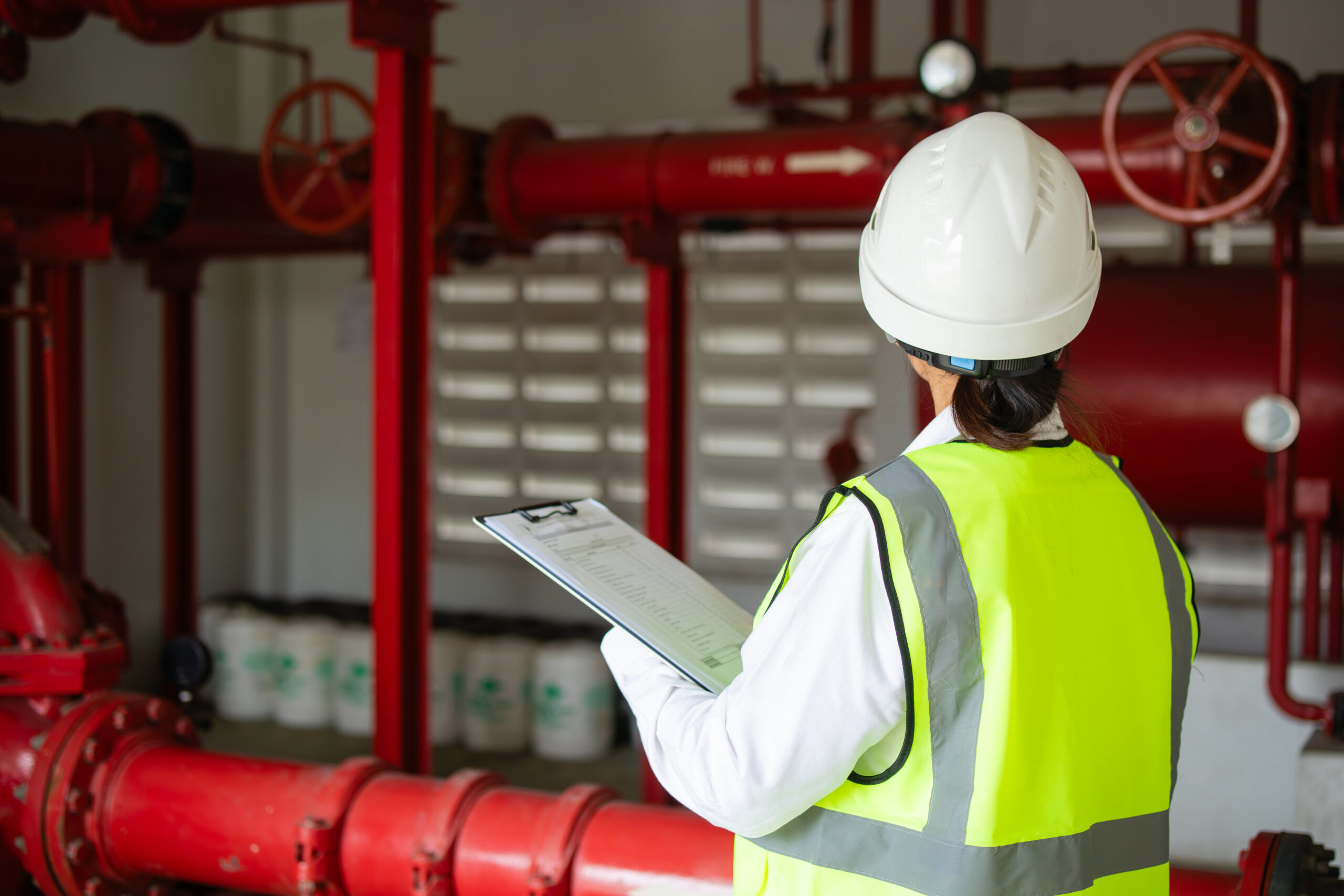
Fire engineering connects directly with a building’s mechanical and electrical systems. These systems work together to provide effective fire protection.
Your role as facility manager is to ensure this integration continues to function correctly after handover. Changes to a single system can affect fire safety performance throughout the building.
What Compliance Requirements Must Facility Managers Meet?
Fire engineering is fundamentally about managing risk and ensuring compliance. In England and Wales, commercial buildings must comply with the Regulatory Reform (Fire Safety) Order 2005, which places duties on the “responsible person” to assess fire risks and implement appropriate precautions.
Key compliance requirements include:
- Completing and regularly reviewing fire risk assessments conducted by a competent person.
- Implementing fire precautions identified through risk assessment.
- Providing adequate means of escape and emergency routes.
- Installing appropriate fire detection, warning and firefighting equipment.
- Maintaining detailed records of fire safety measures and training.
- Meeting insurance requirements and building regulation standards.
Our Commercial and Risk Management Services help clients balance fire safety obligations with operational efficiency.
What Can Commercial Building Projects Teach Us?
Fire engineering upgrades in occupied buildings demonstrate how safety improvements protect people and assets without disrupting operations. These projects typically involve upgrading smoke ventilation, enhancing fire alarm systems and improving passive fire protection measures.
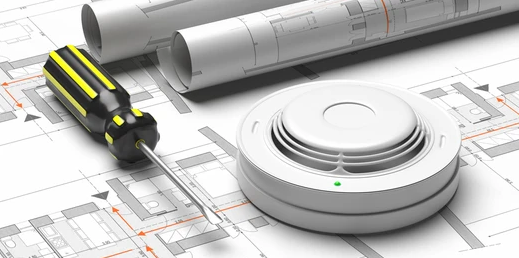
Successful fire improvement works require careful planning to maintain building operations during installation, coordination with existing mechanical and electrical services, and thorough commissioning to verify system performance.
For retail and commercial buildings, fire engineering upgrades deliver compliance certainty and operational reassurance for occupants, customers and insurers.
Why Should You Work with Fire Engineering Specialists?
Fire engineering is not a one-off task. Buildings age, layouts change and standards develop. Fire strategies must adapt accordingly to maintain protection levels.
Engaging fire engineers early in any refurbishment or change project helps avoid costly remediation later. Regular collaboration ensures your fire protection systems remain effective as your building evolves.
A multidisciplinary approach combining building services expertise with risk management provides facility managers with a single point of contact for fire safety matters.
Take Action on Fire Safety Today
Fire engineering protects more than compliance status. It safeguards people, assets and business continuity. As a facility manager, understanding fire engineering fundamentals, properly maintaining systems, and knowing when to call in specialists are essential competencies.
Explore how we can support your fire engineering requirements through our Commercial and Risk Management Services or Mechanical and Electrical Building Services.