Industries
→
Energy
Our energy consultancy services exist for one reason: to make complex projects work. The margin between a project that performs and one that doesn’t often comes down to the quality of the thinking and delivery behind it. That’s where we come in.
-
Energy Industries ↓
- Nuclear →
- Power & Renewables →
What sets us apart in energy consultancy
Our focus stays on what moves a project forward
Proven on programmes that matter
We’ve been doing this long enough to know that technical knowledge alone doesn’t deliver a project. What matters is how that knowledge gets applied: the questions asked before work begins, the decisions made under pressure, and the ability to hold a programme together when things don’t go to plan.
Our consultants work alongside clients, not at a distance from them. We shape scopes that reflect real conditions, manage change without losing momentum, and stay involved long enough to see decisions through.
Our energy consultancy expertise
Our energy consultancy services are structured around two key sectors. Each carries its own regulatory framework, technical demands, and delivery pressures.
Nuclear
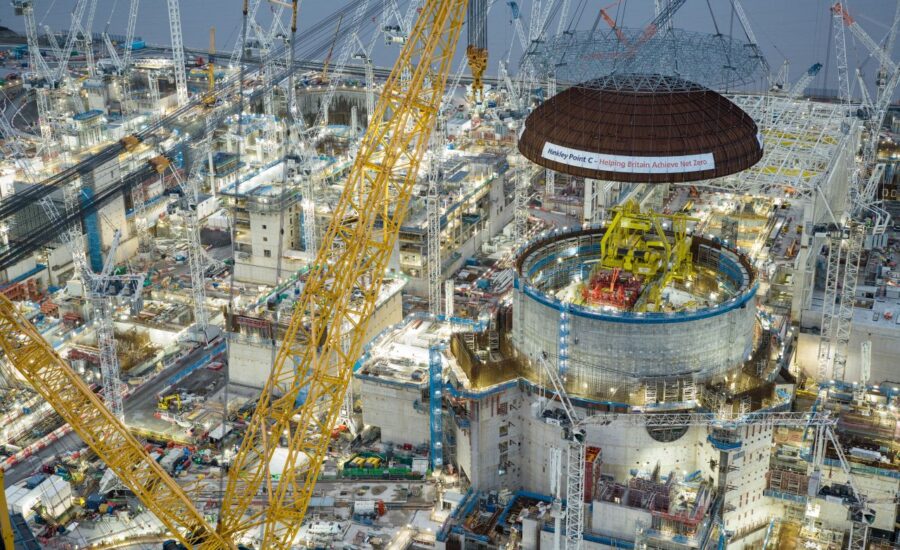
Our nuclear team has the accreditations and experience to work in that environment: supporting civil nuclear energy programmes, new build, existing fleet operations, decommissioning, and nuclear defence work for the Ministry of Defence and its supply chain.

Power & Renewables
We work across wind, solar, biomass, energy from waste, oil and gas, and energy infrastructure, bringing the same rigour to each.
Our role is to keep projects grounded in what’s technically achievable and commercially viable, from early feasibility through to commissioning
How our energy consultancy supports the industry
Depth of knowledge, applied directly
The UK energy landscape is shifting fast. New nuclear investment, the push toward clean power targets, growing pressure on grid infrastructure, and a market adapting to battery storage at scale. Creating real delivery challenges for the clients we work with.
Good consultancy in this environment means understanding more than the asset itself. It means knowing the policy context, reading the supply chain pressures, and making commercially grounded decisions at every stage of a programme.
We support clients from initial feasibility and planning through to detailed design, construction oversight, commissioning, and decommissioning. Decisions made early in a project carry weight throughout. When the same team holds those decisions across the full lifecycle, the intent behind them doesn’t get lost in translation.
One of the most common reasons energy projects slow down isn’t technical; it’s informational. Requests for information pile up, accountability becomes unclear, and programmes drift. We manage that risk directly: defining responsibilities early, streamlining information flows, and keeping the right people focused on the right things at the right time.
Turning theory into practice

Ready to get started?
Your partner in energy consulting
Talk to us about your energy project
Together, we can create efficient, sustainable, and cost-effective solutions that power the future.
If you have a project in development and want a straightforward conversation about where we can help, get in touch.
Delivery done differently
Discover how our broad range of multi-disciplinary services support the energy industry.
FAQs: Understanding energy consultancy
To become a renewable energy engineer in the UK, you typically need a degree in energy engineering, renewable energy, or a related field such as electrical engineering, mechanical engineering or environmental science. Strong analytical and problem-solving skills, as well as an understanding of sustainable energy technologies and systems, are essential. Gaining relevant work experience and internships can also be helpful, as can obtaining industry certifications such as the Chartered Engineer (CEng) or Energy Institute (EI) accreditations.
Yes, chemical engineers can work in renewable energy. The skills and knowledge that chemical engineers bring to the table, such as their understanding of materials science, process design, and control systems, can be useful in developing and optimising renewable energy technologies such as biofuels, hydrogen production, and energy storage systems.
Energy engineers are responsible for designing, developing, and optimising energy systems for buildings, transportation, and industrial applications. They work to ensure that these systems are efficient, cost-effective, and sustainable. Energy engineers may work on projects related to renewable energy technologies such as solar, wind, and geothermal energy, or they may focus on improving the energy efficiency of existing systems through the use of advanced materials, control systems, and building design.