Industries
→
Aerospace & Defence
Our aerospace engineering services support a vast range of organisations across the industry, from civil aviation projects navigating complex regulatory frameworks to defence programmes requiring security and precision.
-
Aerospace & Defence Industries ↓
- Civil Aviation →
- Land Systems →
- Military →
- Ministry of Defence →
What sets us apart in aerospace & defence engineering?
Experience that shows in the details
Backed by credentials, proven through what we deliver.
We’ve spent years working on projects where the margin for error is small and the consequences of getting it wrong are significant. That experience shapes how we approach every brief, from the questions we ask at the start to the decisions we make under pressure.
Our aerospace & defence expertise
Civil Aviation
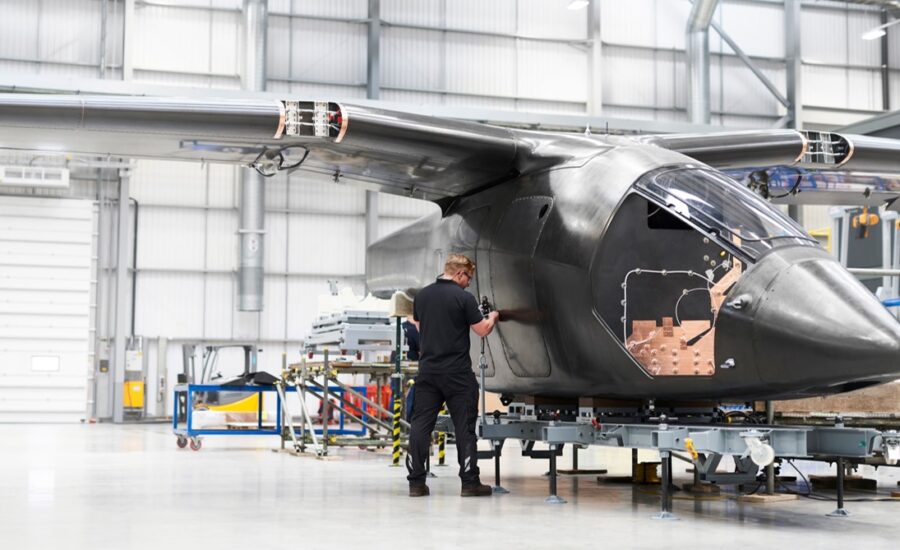
Civil aviation is a heavily regulated environment by design. The challenge isn’t just meeting those standards; it’s doing so in a way that keeps operations running efficiently. We support aviation clients with practical engineering solutions that hold up under scrutiny, from airworthiness assessments to facility design for major programmes.

Land Systems
Land systems programmes demand sustained reliability across demanding conditions. We work alongside defence clients on vehicle platform support, infrastructure upgrades, and through-life engineering, bringing the kind of technical input these projects need without overcomplicating the process.

Military
A military facility has to function under pressure, often while remaining operational throughout a project. We understand the constraints that come with working in secure, live environments, and we design our delivery around them. The result is engineering that fits how these sites actually work, not just how they look on a drawing.
Ministry of Defence
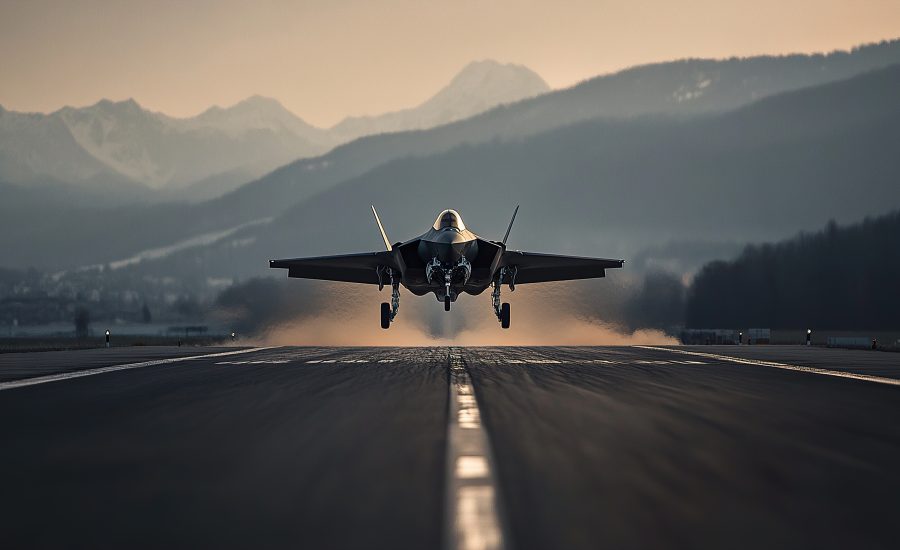
MOD projects come with their own set of procurement frameworks, security requirements, and technical standards. We know the landscape. Our teams have worked within MOD environments long enough to understand what good delivery looks like here, and what it takes to sustain it across complex, long-running programmes.
How we support aerospace & defence programmes
Our work spans three broad areas. Each one draws on the same foundation: technical depth, honest advice, and delivery that holds up when it matters.
We support structural design and stress analysis, tooling development, composite structures, and systems integration across the product lifecycle. Our manufacturing engineering teams work closely with production to close the gap between design intent and what’s actually buildable, reducing rework and improving programme efficiency.
Security-critical projects call for a specific kind of rigour: the ability to work within highly controlled environments, understand classification requirements, and deliver without cutting corners. We’ve supported high-security site engineering, MOD installations, nuclear infrastructure, and sensitive decommissioning programmes. The breadth matters less than the depth we bring to each one.
Digital tools have changed how complex programmes are planned and coordinated. We implement BIM strategies that improve information flow across large multidisciplinary teams, support digital transformation across project environments, and provide planning and management services aligned to government procurement standards.
Turning theory into practice
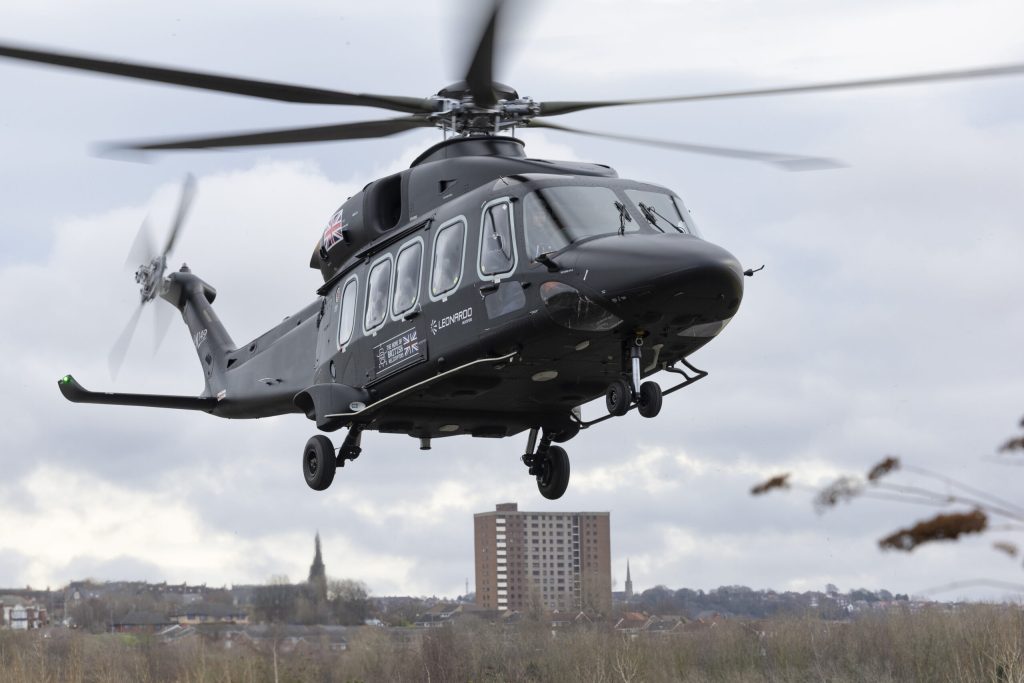
Your partner in aerospace & defence
Talk to us about your project
We don’t just solve engineering problems – we build the future, one innovative solution at a time.
If you’re working on a programme in the aerospace or defence sector and need a straightforward conversation about what’s possible, we’re happy to have it.
Delivery done differently
Discover how our broad range of multi-disciplinary services support aerospace and defence programmes.
FAQs: Understanding aerospace engineering
Aerospace engineering is the branch of engineering that deals with the design, development, construction, testing, and maintenance of both aircraft and spacecraft. It involves applying principles of physics, mathematics, and materials science to develop new technologies and improve existing ones for use in aerospace industries.
Aerospace engineers design, develop, test, and maintain various types of aircraft and spacecraft. Here are some of the specific tasks they may perform:
- Design and develop new aerospace products
- Evaluate and modify existing products
- Create and test prototypes
- Develop and test propulsion systems
- Develop and test navigation and control system
- Analyse and solve problems
- Ensure compliance with regulations
An aerospace engineer would typically require a Bachelor of Engineering (BEng) or Bachelor of Science (BSc) program in aerospace engineering or a related field. However, there are new pathways into this sector with apprenticeships and graduate programs.
Yes, a mechanical engineer can become an aerospace engineer. Aerospace engineering is a specialised field within mechanical engineering, and many of the fundamental principles and skills are the same.